
1 Tonne vs 1.5 Tonne Mini Digger: 2026 Hire & Cost Guide
Is the smallest machine on the market always the most cost-effective choice for a tight site? Many contractors assume that opting for a micro machine automatically saves money, yet the nuances of a 1 ton vs 1.5 ton mini digger comparison often reveal hidden efficiencies in the slightly larger model. It's common to feel frustrated by vague pricing on hire websites or the sudden appearance of delivery surcharges that weren't in the initial quote. Managing the complexities of hired-in plant insurance only adds another layer of stress to an already demanding project schedule.
This guide allows you to master the technical differences and pricing structures involved in plant hire for your 2026 projects. You'll gain the knowledge needed to budget accurately for restricted-access work while avoiding the typical pitfalls of equipment rental. We provide a transparent breakdown of current hire considerations, practical advice on reducing your total project expenditure, and the criteria for choosing a reliable plant partner. By the end of this article, you will have the confidence to select the exact machine your site requires without the risk of expensive surprises or overlooked operational costs.
Table of Contents
1 Tonne vs 1.5 Tonne Mini Digger: Choosing the Right Machine for Your Site
Selecting the correct equipment is the foundation of site efficiency. The 1-tonne micro digger has long been the industry standard for projects where every centimetre counts. It's often the only viable choice for internal renovations or narrow-access gardens. However, a 1 ton vs 1.5 ton mini digger comparison isn't just about size; it's about matching the machine's footprint to the logistical realities of your site. In the 2026 rental market, we see a distinct shift towards lower-emission engines and fuel-efficient hydraulics, ensuring that even the smallest machines meet modern environmental standards.
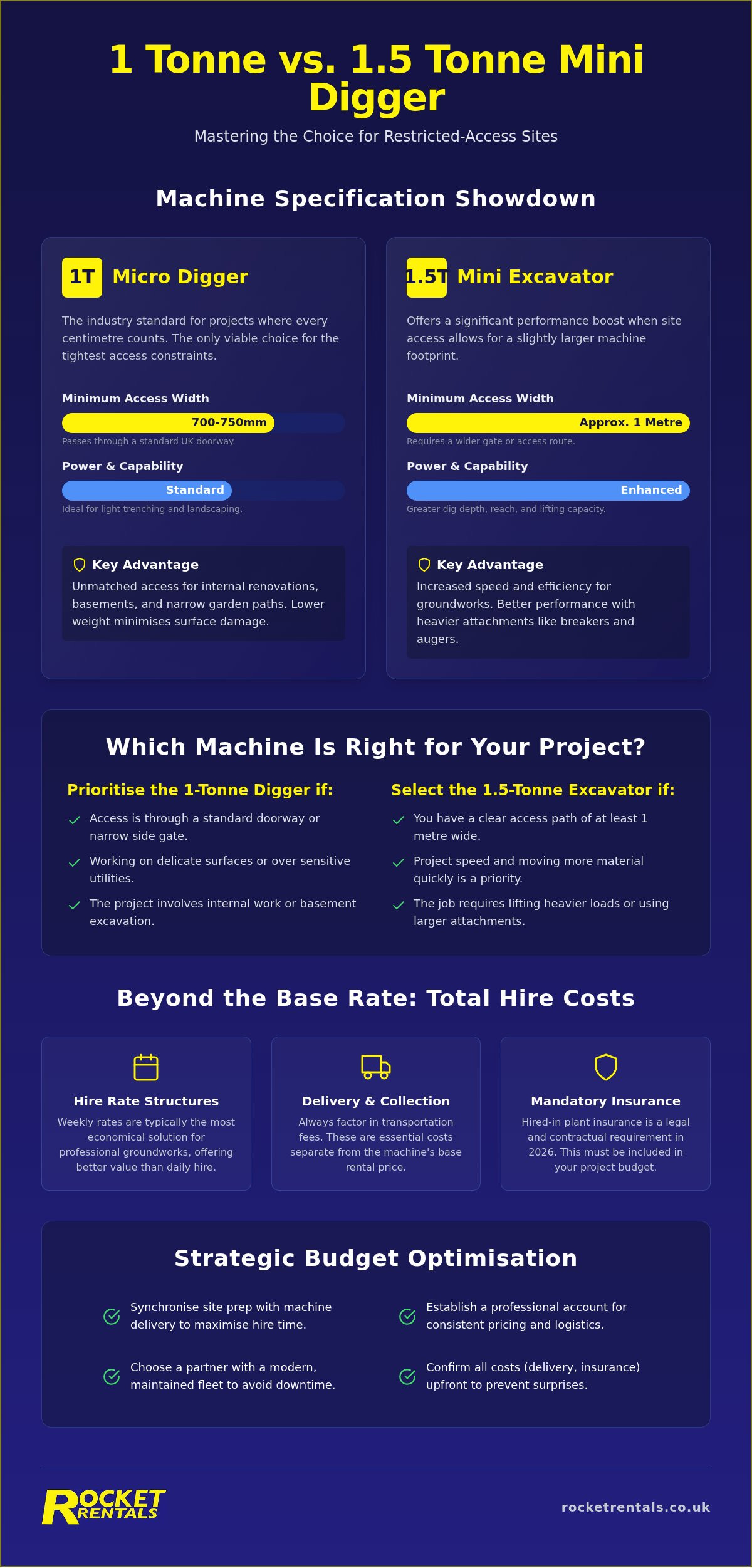
A Compact excavator in the 1-tonne class typically features retractable tracks. This allows the machine to narrow its width to roughly 700mm to 750mm, which is essential for passing through a standard UK doorway or a narrow side gate. Once the machine is in position, the tracks expand to provide a stable working platform. In contrast, a 1.5-tonne model usually has a fixed or wider footprint, requiring a minimum access width of around 1 metre. Choosing the wrong size can lead to costly delays if the machine cannot reach the work area.
When to Prioritise the 1-Tonne Micro Digger
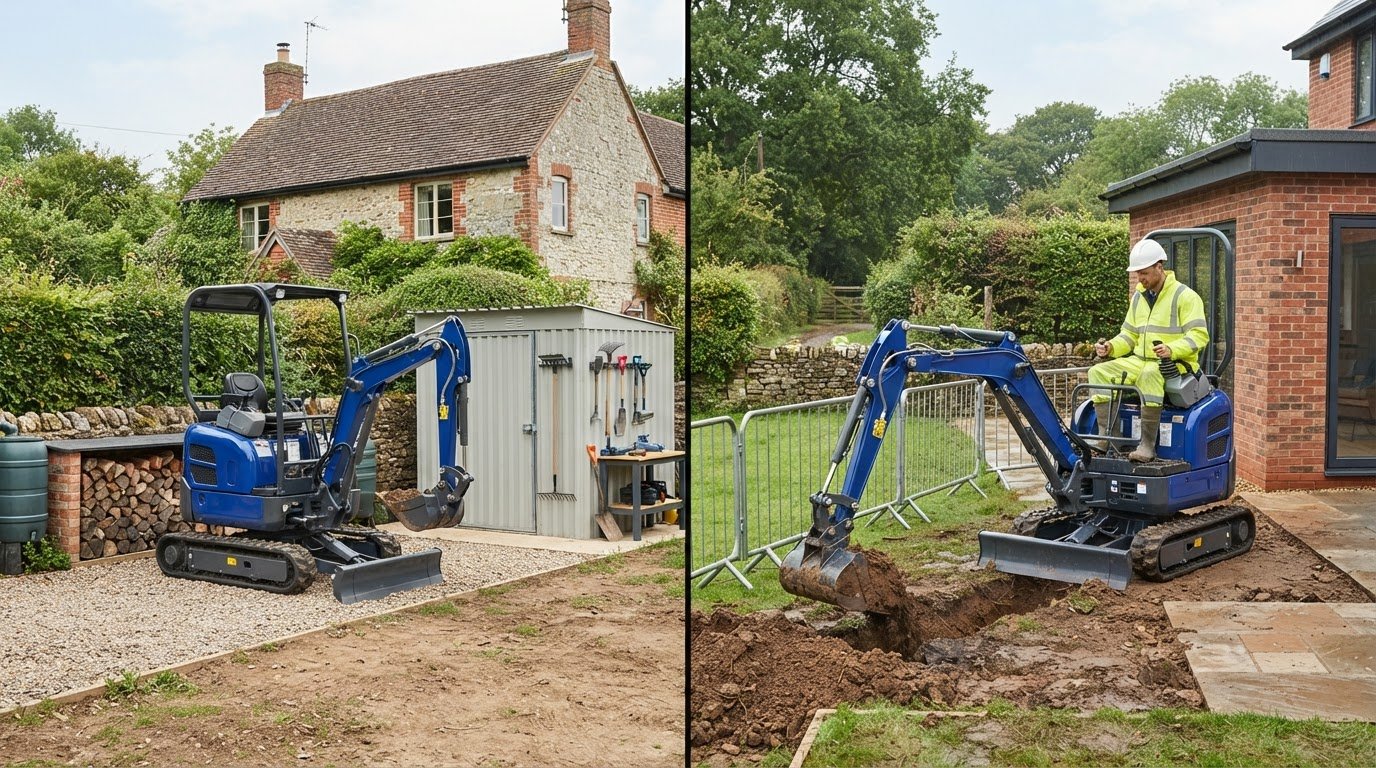
Micro diggers are indispensable for garden clearances where access is restricted by existing structures or narrow alleyways. They're also the primary choice for basement excavations, where the machine must be lowered into a confined space. Despite their small stature, these machines offer a professional level of power that far exceeds manual labour. This gives contractors full control over their site schedules without the physical toll of hand-digging.
Site weight restrictions are another critical factor. If you're working on delicate floor surfaces or over sensitive underground utilities, the lower operating weight of a 1-tonne model reduces the risk of surface damage. It provides a balanced cost-to-capability ratio for light trenching and landscaping without the logistical overhead of a larger excavator. For many urban projects, the micro digger remains the most logical and reliable partner.
The 1.5-Tonne Advantage: When Extra Power is Required
When site access allows for a slightly larger machine, the 1.5-tonne model offers significant performance benefits. The increased dig depth and reach allow for faster groundworks, as the operator can move more material from a single position. Modern hydraulic systems in these machines provide the precision needed for complex tasks on residential plots, such as foundation digging or drainage installation. The extra weight also translates to increased stability when lifting heavier loads.
Versatility is another key advantage. While both classes support various attachments, the 1.5-tonne excavator often handles larger breakers or augers more effectively. This makes it a superior choice for projects requiring a mix of excavation and demolition. Deciding between a 1 ton vs 1.5 ton mini digger ultimately depends on whether your priority is the absolute smallest footprint or the maximum possible output within a compact frame.
Understanding the Structure of 1-Tonne Micro Digger Hire Rates
Pricing for plant hire follows a methodical structure designed to reward thorough site planning. Most providers offer a tiered system consisting of daily, weekend, and weekly rates. In 2026, these rate structures reflect the rigorous maintenance schedules and high safety compliance standards now expected across the UK national plant hire sector. It's a common industry practice to distinguish between a standard list price and professional account rates. For contractors managing recurring projects, establishing an account often provides more consistent pricing and streamlined logistics compared to one-off bookings.
According to recent Mini Excavators Market Trends, the continued push for urban development has kept demand for compact machinery high. This demand influences how hire companies manage their fleet readiness. When you're weighing up the choice of a 1 ton vs 1.5 ton mini digger, understanding the underlying cost of readiness is vital. A modern, well-maintained machine represents a significant investment in reliability, which helps prevent the hidden costs of site downtime.
Daily vs Weekly Hire: Finding the Financial Sweet Spot
Determining the duration of your hire is a critical step in project budgeting. Many professionals follow the "3-day rule," where the cost of three individual daily hires often equals or exceeds the price of a full week. Choosing the weekly option provides a valuable safety net for your schedule. It allows you to handle unforeseen site contingencies, such as poor weather or unexpected underground obstructions, without the stress of a looming off-hire deadline. Having the machine on-site for a full week also gives you the flexibility to handle smaller, secondary tasks that might arise once the primary excavation is complete.
Seasonal Demand and Availability Surcharges
Construction activity in the UK naturally peaks during the warmer months, which can lead to tighter availability across national fleets. During these periods, advanced booking is the most effective way to secure the specific machine you need and avoid regional price fluctuations. National coverage plays a significant role here, as it allows a provider to balance equipment levels across different areas to maintain service consistency. If you're looking to hire a mini digger for a high-priority project, engaging with your plant partner early ensures the machinery is reserved and ready for your start date. This proactive approach is a hallmark of professional site management and helps maintain full control over your project's financial health.
Beyond the Base Rate: Factoring in the Total Cost of Hire
Calculating the total expenditure for a project requires looking past the initial daily rate. Whether you're comparing a 1 ton vs 1.5 ton mini digger, the base price is just the starting point. Delivery and collection fees often represent the most significant variable in a hire agreement, especially for short-term projects. In 2026, fuel policies and cleaning surcharges have become more standardised, yet they still catch out unprepared contractors. To budget accurately, you must account for these operational extras before the machine even arrives on your low-loader.
Delivery and Collection Logistics
The distance from the plant centre to your site dictates the transport cost for heavy machinery. For projects in dense urban areas, narrow-access delivery is a primary concern. If a site requires a specialised transport vehicle to navigate tight lanes, this can increase the delivery fee. It's vital to organise clear site access and ensure someone is present to receive the machine. Failing to do so can result in "failed delivery" charges, which quickly bloat a project budget and delay your groundworks schedule.
Insurance, Liability, and Damage Waivers
Hired-in Plant Insurance is a professional necessity for self-drive hire. It protects the contractor from total loss or theft, which is a significant risk on unsecured sites. While many providers offer damage waivers to cover minor repairs, independent insurance policies often provide broader coverage for professional contractors. It's also essential to follow UK Health and Safety Executive (HSE) guidelines to ensure safe operation and minimise liability risks. Remember that the hirer remains fully responsible for machine security whilst the equipment is on-site, including overnight storage.
Consumables and Attachment Costs
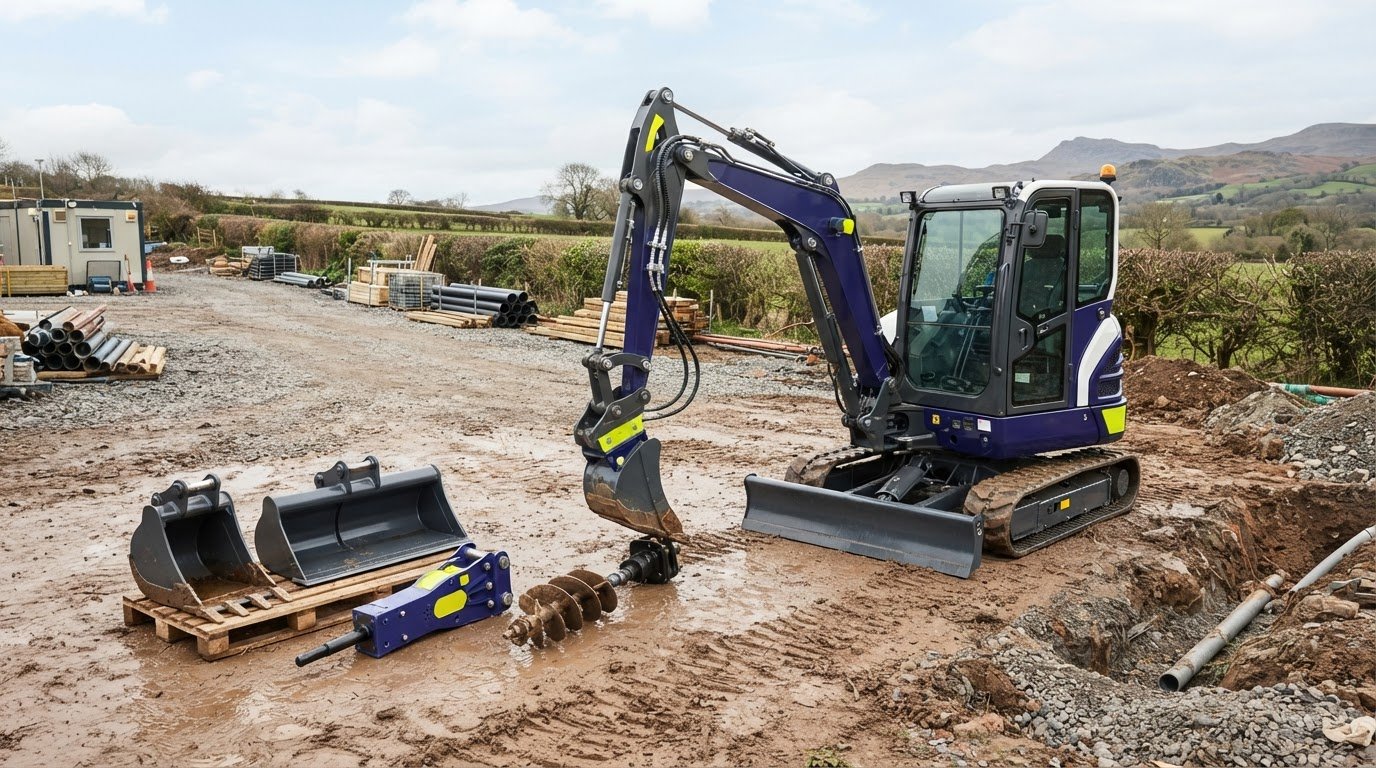
Adding specialised attachments like hydraulic breakers or augers increases the versatility of the machine but also impacts the daily hire rate. Choosing between a 1 ton vs 1.5 ton mini digger also affects your attachment options, as the larger model can often handle more powerful tools. Beyond the attachments, routine daily maintenance items like grease are required for optimal machine performance. For a more detailed look at professional equipment options, you can read our guide on excavator hire South West. Finally, pay close attention to fuel. A "Full to Full" policy is usually the most economical, as "Pay on Return" surcharges frequently include a premium for the refuelling service.
Strategic Budgeting: How to Optimise Your Plant Hire Costs
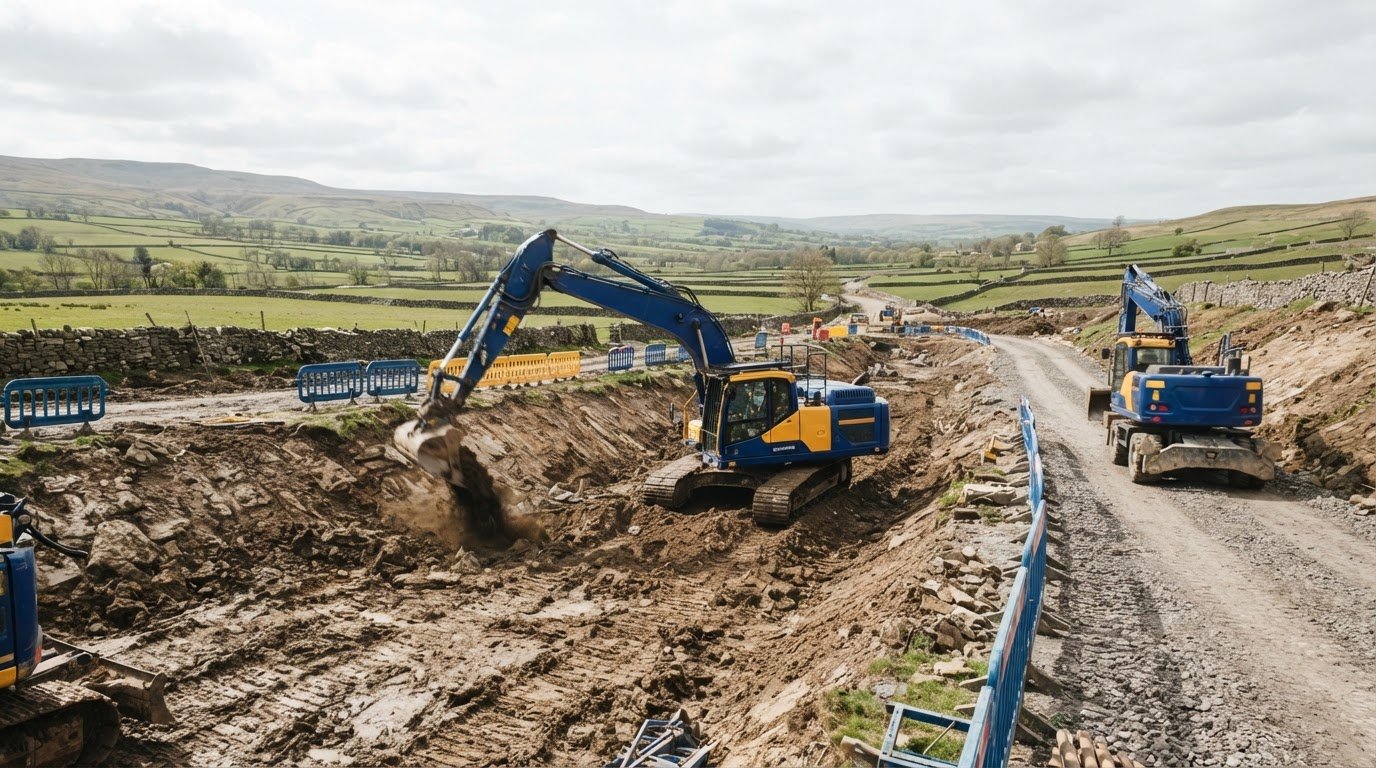
Efficiency on a construction site is rarely accidental. It's the result of meticulous planning and ensuring that every piece of equipment is active from the moment it's unloaded. When you're deciding between a 1 ton vs 1.5 ton mini digger, the goal is to match the machine's capacity to a pre-prepared workspace. Idle machinery represents a direct drain on your project's ROI. By grouping groundworks tasks together, such as trenching and landscaping, you can significantly reduce the total number of hire days required. Many professional contractors find that hiring a dumper alongside their excavator as a package deal further streamlines the workflow, as material can be moved immediately rather than stockpiled.
Modern fleet management tools now play a vital role in cost control. Many machines in our 2026 fleet are equipped with telematics. This technology allows site managers to monitor engine hours and idle time, providing data-driven insights into site performance. If a machine sits idle for long periods, it's often a sign that site logistics or labour scheduling need adjustment. Addressing these inefficiencies helps you maintain a lean budget whilst ensuring the project remains on track.
Site Readiness Checklist for Professional Contractors
A one-hour delay at the start of a hire can disrupt the entire day's schedule. To avoid this, we recommend a strict readiness protocol before the low-loader arrives:
Service Locations: Ensure all underground utilities are clearly marked and verified.
Access Routes: Clear any obstructions that might hinder the delivery vehicle or the machine's path to the work area.
Operator Readiness: Have a competent operator on-site and ready to perform the initial safety checks.
Bucket Selection: Verify that you have the correct bucket sizes for your specific tasks, such as narrow trenching or bulk excavation.
The Self-Drive Advantage for Project Control
Choosing self-drive hire offers a level of flexibility that operated plant simply cannot match. It allows you to adjust your daily work programme based on real-time site conditions or weather changes without being tied to an operator's fixed hours. For long-term professional projects, the cost savings are substantial. You maintain full control over the pace of work and the safety standards on your site. For deeper insights into managing your equipment effectively, read our mini excavator hire guide. If you're ready to secure a machine for your next project, you can view our full range of plant hire options to find the perfect fit for your site's specific requirements.
Why Professional Self-Drive Hire with Rocket Rentals Protects Your Budget
Professional groundworks require more than just a machine; they require a partnership built on transparency and technical expertise. Rocket Rentals Ltd positions itself as a dependable partner for contractors who value reliability over the lowest possible headline rate. Whether you are deciding between a 1 ton vs 1.5 ton mini digger, our role is to ensure the machinery performs exactly as expected from the moment it arrives. We prioritise clear, up-front communication to prevent the hidden surcharges and "budget creep" that often plague the plant hire industry. This proactive approach ensures your project expenditure remains predictable and protected.
Working with a national partner allows you to benefit from high-specification equipment and a dedicated support structure. Our account managers understand the specific pressures of professional groundworks and provide a "safe pair of hands" for equipment selection. This personalised service ensures that the machine you hire is the most efficient choice for your site's unique logistical constraints.
Quality Equipment as a Cost-Saving Measure
It's a common mistake to choose the cheapest hire rate available without considering the age and condition of the fleet. Older machinery often consumes significantly more fuel and carries a much higher risk of mechanical failure. At Rocket Rentals Ltd, our commitment to a modern, meticulously maintained fleet directly reduces the risk of costly site downtime. In the 2026 plant market, using industry-leading brands ensures you're benefiting from the latest engine efficiencies and safety standards. Every machine undergoes rigorous checks before dispatch, giving you the peace of mind that your equipment is ready for immediate, intensive use without the threat of unexpected breakdowns.
Streamlined Logistics and National Support
Efficient delivery scheduling is at the core of our professional service. We recognise that site crews represent a significant hourly cost, and waiting for a delayed delivery is a direct waste of your resources. Our national coverage and logistical expertise allow us to provide consistent service levels across the UK, ensuring that your equipment arrives when promised. For returning professional clients, establishing a dedicated account streamlines the entire hire process, from initial booking to final collection. This level of support is designed to help you maintain full control over your site schedules and overall project financial health.
If you're ready to secure high-specification machinery for your next restricted-access project, contact the team today to organise your 1 ton micro digger hire.
Securing Site Efficiency for Your 2026 Projects
Choosing between a 1 ton vs 1.5 ton mini digger comes down to balancing the physical constraints of your site against the required excavation speed. We've explored how 1-tonne models excel in internal renovations whilst 1.5-tonne machines offer the depth needed for larger residential footings. Beyond the base rate, successful budgeting relies on accounting for delivery logistics and modern insurance requirements to avoid unexpected project costs. Proper site preparation ensures your hired equipment is productive from the moment it arrives on the low-loader.
Rocket Rentals provides a high-specification, modern fleet supported by specialist self-drive expertise and consistent national delivery. Our focus on reliability helps you avoid the hidden expenses of downtime and fuel inefficiency. By prioritising site readiness and selecting a dependable plant partner, you maintain full control over your work programme and your bottom line. We're here to ensure your next restricted-access project is completed with precision and professional standards. Request a professional quote for your micro digger hire today and take the first step toward a more efficient site.
Frequently Asked Questions
How much is it to hire a 1 tonne micro digger for a day in the UK?
Daily hire rates for a 1-tonne micro digger vary based on location and duration, though industry averages typically range between £95 and £200 per day. These figures generally exclude VAT, delivery, and fuel. For professional contractors, weekly rates often provide significantly better value than a single day booking. It's always advisable to request a specific quote that includes all logistical variables to avoid budget surprises during your project.
Do I need a special licence for self-drive micro digger hire?
You don't need a special licence to operate a micro digger on private land for domestic use. However, if the machine is being used on a commercial construction site, operators must hold a valid CPCS or NPORS card. This ensures compliance with UK health and safety regulations. While hire companies don't always require a driving licence for off-road use, they will require valid identification and proof of insurance for security and liability purposes.
Is fuel included in the micro digger hire cost?
Fuel is not included in the base hire rate. Most professional plant hire agreements operate on a full-to-full basis, where the machine is delivered with a full tank and should be returned the same way. If a machine is returned with less fuel, a refuelling surcharge is typically applied. Using HVO fuel is becoming a common alternative in 2026 to help contractors meet site-specific environmental requirements and carbon reduction targets.
What is the difference between a micro digger and a 1.5 tonne mini excavator?
The primary difference in a 1 ton vs 1.5 ton mini digger comparison is the machine's footprint and access capability. Micro diggers usually feature retractable tracks, allowing them to pass through a standard 750mm doorway for internal work. A 1.5-tonne mini excavator is wider and heavier, offering greater digging depth and lifting capacity for external groundworks. Choosing the 1.5-tonne model is often more efficient if site access allows for the larger frame.
Does the hire cost include insurance for the machine?
Standard hire rates don't usually include insurance coverage for the machinery. Hirers are responsible for arranging Hired-in Plant Insurance to protect against theft, damage, or total loss while the equipment is on their site. Some providers offer a damage waiver for a small percentage of the hire fee, but this often has exclusions. It's vital to verify that your policy covers the full replacement value of the specific machine class you are hiring.
Can a 1 tonne micro digger fit through a standard garden gate?
Yes, most 1-tonne micro diggers are specifically designed to fit through a standard UK garden gate or even a house doorway. By retracting their tracks, these machines can narrow their width to approximately 700mm to 750mm. This makes them the ideal choice for back garden clearances or basement renovations where larger equipment cannot pass. Once through the narrow point, the tracks should be expanded again to ensure maximum stability during operation.
Are there extra charges for different bucket sizes or attachments?
A standard hire agreement typically includes a set of three buckets of varying widths. However, specialised attachments like hydraulic breakers, augers, or rakes usually incur an additional daily or weekly charge. These attachments increase the machine's versatility but also add to the total project cost. It's helpful to discuss your specific requirements with your account manager early to ensure the correct tools are bundled with your delivery for maximum efficiency.
What happens if the hired digger breaks down on my project site?
Professional providers maintain modern fleets to minimise these risks. If a mechanical failure occurs, you should contact your plant partner immediately. They will typically send a technician to perform an on-site repair or arrange a replacement machine. Rapid response is essential to prevent costly delays for your site crew. Performing daily maintenance checks, such as greasing, helps prevent avoidable downtime during the hire period.
Comments