
Choosing a waste removal option instead of grab lorry hire
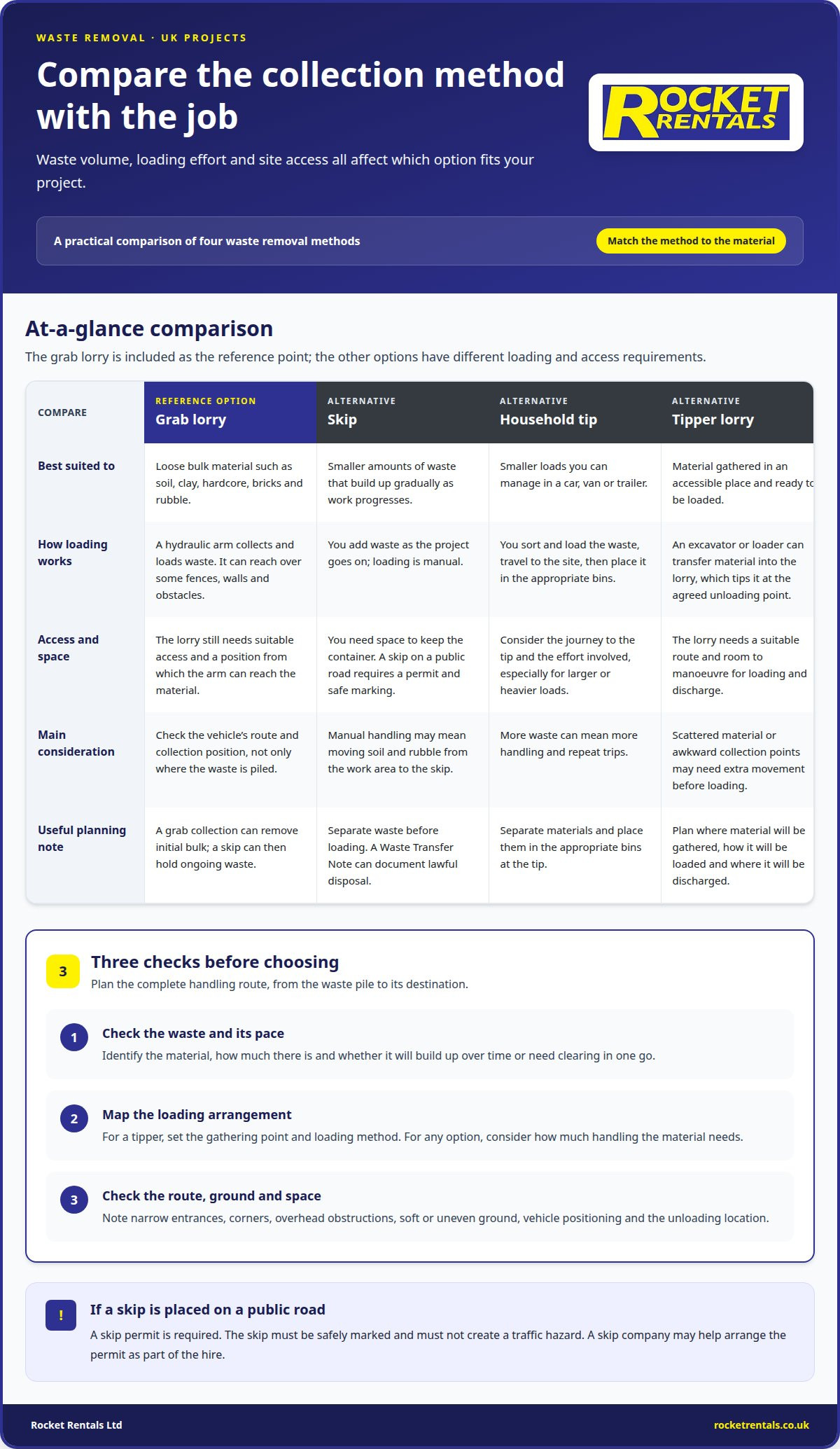
The obvious choice for clearing a site isn’t always the right one. Grab hire uses a lorry fitted with a hydraulic arm to collect and load waste, making it suitable for loose bulk materials such as soil, clay, hardcore, bricks and rubble. If you’re considering a grab lorry hire alternative, base your decision on the waste type and volume, removal timing, and the space and access available.
Skips can suit projects that produce smaller amounts of waste over time, while taking waste to a household tip means sorting, loading and unloading it yourself. Each option has practical trade-offs, including manual handling, vehicle access and how waste is gathered on site. This guide explains what grab hire involves, which materials it suits and what to consider when choosing a waste removal method, so you can match the approach to your project.
Table of Contents
3. What are the alternatives to hiring a grab lorry in the UK?
The right option depends on how much waste your project creates and how quickly it needs removing. A garden clearance producing a small amount over several days, for example, may suit a skip, while a household tip may work for a modest load you can transport yourself. A grab lorry hire alternative should also account for loading effort, site access and how the waste will be collected.
Skip hire suits projects where waste builds up gradually. You can add material as work progresses, rather than arranging removal each time something is cleared. The trade-off is manual loading. For a landscaping project, that may mean moving soil and rubble by barrow from the work area to the skip. A skip can also complement a grab collection: use the grab lorry for the initial bulk removal, then keep a skip on site for ongoing waste.
Placement matters. In the UK, a skip placed on a public road requires a skip permit. A skip company may help arrange one as part of the hire. If the skip is on a roadway, it must be safely marked and must not create a traffic hazard. These requirements can affect whether a skip is practical when a driveway or other private space isn’t available.
A household tip can suit smaller loads that are manageable in a car, van or trailer. You’ll need to separate and load the waste, travel to the site, then place materials in the appropriate bins. For example, a few bags from a small room clear-out may be easier to take yourself than to store in a hired container. Larger or heavier loads can mean more handling and repeat trips, so factor in the distance and effort.
Whichever waste removal option you choose, keep a record of how the waste is handled. A Waste Transfer Note can document lawful disposal, so it’s useful to request one for a skip collection. Separating waste before loading also helps keep unsuitable materials out of the container and makes collection clearer.
A tipper lorry is another possible option if the site has suitable vehicle access and a practical way to load the material. Its suitability depends on the collection arrangement and site layout, which the next section examines. For smaller amounts of ongoing waste, a skip may be more convenient; for loads you can manage yourself, a household tip may be more appropriate.
Skips can suit projects that produce smaller amounts of waste over a longer period, since you can add material gradually. The pace of waste generation is therefore worth considering alongside the final volume. If work will create waste in stages, check whether there’s room to keep the container on site and whether loading it as you go fits the work routine. For a rapid clearance, compare alternatives based on timing and loading effort.
4. When is a tipper lorry a suitable alternative to a grab lorry?
A tipper lorry can suit a job when material is accessible for loading and can be discharged where needed. Unlike a grab lorry, it doesn’t use a hydraulic arm to pick up waste. For example, a machine can load soil into the tipper’s body, which then tips the material at the agreed unloading point. Loading and unloading arrangements are central to deciding whether it’s suitable.
Consider a garden redesign with a clear working area and a stockpile of excavated soil. A tipper may be practical if loading equipment can transfer the soil into the lorry and there’s room to position it. The same applies to a construction site where material is gathered in an accessible place. If waste is scattered behind obstacles, the tipper’s loading arrangement may be less suitable than a grab lorry’s reaching arm.
Plan the sequence before booking. First, identify where the material will be gathered. Next, decide how it will be loaded into the tipper, such as by excavator or loader. Finally, establish where the lorry can unload safely and conveniently. In a demolition clearance, for instance, rubble may need moving from the work area to a loading point before collection. Each extra movement affects the site plan and available working space.
Vehicle access is another deciding factor. A tipper needs a suitable route and enough space to manoeuvre into position for loading and discharge. A narrow entrance or congested site can make positioning difficult, even when the material is ready. A grab lorry’s arm can reach over some fences, walls and obstacles, but the lorry itself still needs sufficient access.
Ground conditions matter too. Soft, uneven or restricted areas may limit where a loaded vehicle can travel or stand. A stockpile beside a firm access route, for example, may be easier to collect than material at the back of a wet field. Consider the loading point, travel route and discharge location when deciding whether a tipper suits the site.
A tipper is less suitable if the job requires collecting loose material directly from several awkward locations. It may work better when the waste is consolidated, the loading method is arranged and the discharge point is accessible. For large quantities, compare the entire handling sequence: gathering, loading, transporting and tipping. The best grab lorry hire alternative is the one that fits these steps without unnecessary movement or disruption to other work.
4. How do access, ground conditions and site space affect the choice of grab lorry alternative
Start with the vehicle’s route, not just the waste pile. A grab lorry needs enough access for the vehicle itself, even though its hydraulic arm can reach over fences, walls or obstacles. For example, a pile behind a garden wall may be reachable from a suitable road or driveway. A narrow entrance or parked vehicles could still prevent the lorry from reaching a useful position.
Map the collection point and the vehicle’s stopping position before choosing a removal method. Note gates, corners, overhead obstructions and anything else that could block the route. A grab lorry may collect material from beyond a fence, but the lorry must be able to reach the area. If it cannot get close enough for the arm to reach, you may need another arrangement.
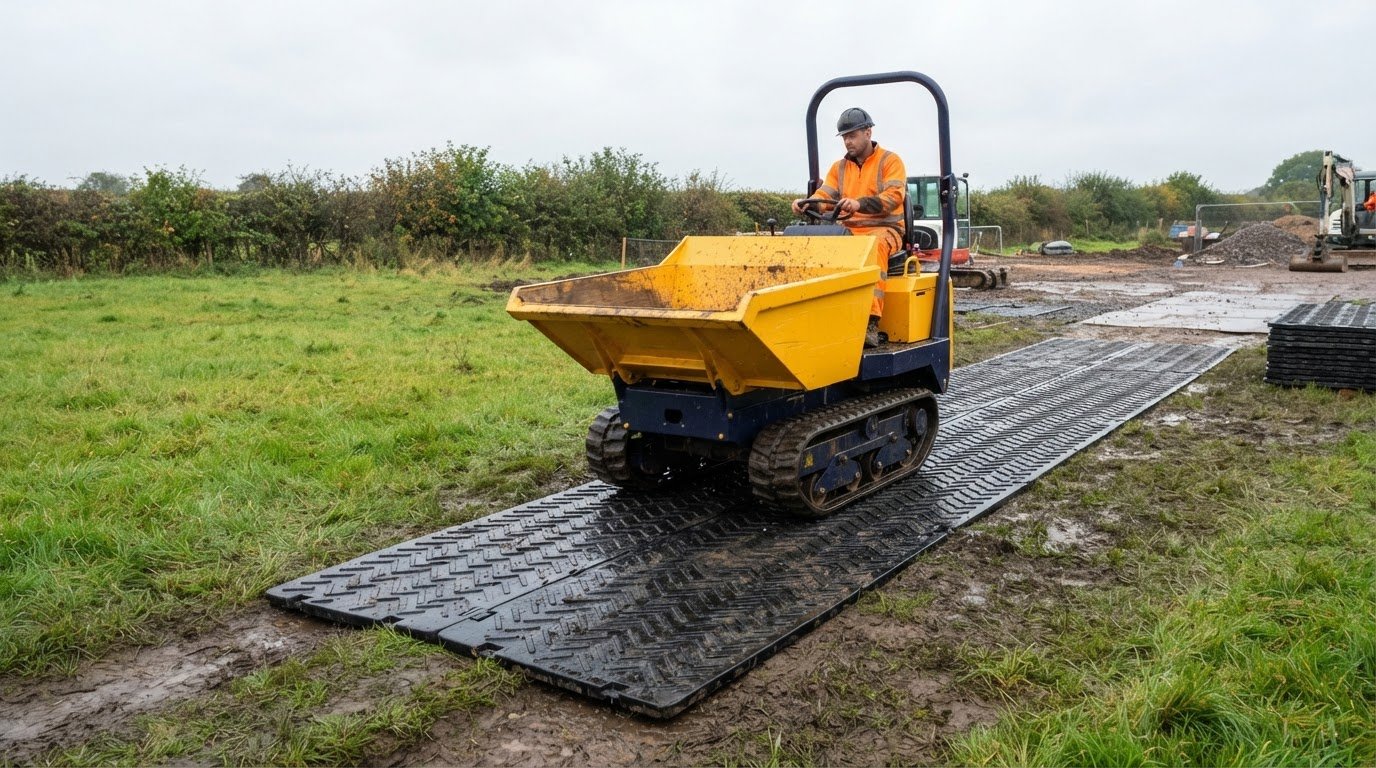
Ground conditions can affect where a loaded vehicle can travel or stand. A firm driveway beside a soil stockpile is different from a soft, uneven track across a wet lawn. Consider the route from the entrance to the collection point, as well as the ground beneath the vehicle. A tipper also needs a suitable position for loading and discharging material.
Site space affects both collection and the work around it. On a compact building plot, a lorry positioned near a pile may restrict access for workers, deliveries or machinery. A grab lorry’s arm can reach across an obstacle, but the vehicle still needs access. A tipper may need room to manoeuvre into position and discharge its load. The best fit depends on the layout, not simply the amount of waste.
Use a simple site plan to compare options. Mark the entrance, turning or manoeuvring area, waste location and intended vehicle position. Trace the route between them and identify narrow points, soft ground and obstacles. If a rubble pile is inside a fenced area, for example, check whether a grab lorry can position outside and reach it. If not, consider how to move the material to an accessible loading point.
These checks help identify whether access, ground conditions or limited space will shape the removal method. A grab lorry hire alternative should fit the actual site layout and collection sequence, rather than relying on the vehicle reaching a difficult spot. Discuss your site equipment needs when planning machinery movements and working space alongside waste removal.
Assess the vehicle’s path and stopping position separately from the grab’s reach. Grab lorries need enough access for the vehicle itself. The arm may appear capable of spanning the distance, but it cannot solve a route the lorry cannot use. Confirm that the vehicle can reach a workable position before relying on a grab-based plan. If the route is too restricted, consider moving the material to a point the vehicle can access. This keeps your decision grounded in the site’s actual constraints, not just the equipment’s reach.
Rocket Rentals
Rocket Rentals Ltd can supply plant for the wider site work around your waste removal plan. If excavated material needs gathering at an accessible collection point, Mini Digger Hire or Excavator hire can support site preparation. Roller Hire may suit ground preparation as work progresses. The right machinery depends on your project and site layout.
As an established, family-run plant hire business, Rocket Rentals Ltd provides equipment for construction and industrial projects. Plant hire is available on a weekly basis, giving you a practical hire period to factor into your project plan. Its equipment is subject to inspection.
Contact Rocket Rentals Ltd to discuss the plant hire requirements for your project.
Plan the next stage of your site work
Choosing a grab lorry hire alternative is also an opportunity to plan how the rest of your site work will progress. Consider which tasks need machinery, when each area must be cleared and how equipment movements will fit around waste removal. A clear sequence can help keep the work area organised and avoid unnecessary interruptions.
Rocket Rentals offers Mini Digger Hire and Excavator hire for digging and excavation, as well as Roller Hire for ground preparation. These options can support different stages of a project, depending on the planned work and site layout. Share the task and your intended sequence to start a practical discussion about the machinery you need.
For help planning the plant hire that fits your project, contact Rocket Rentals to discuss your options. A clear plan is a good next step towards getting the site ready for work.
Frequently Asked Questions
Can a mini digger and dumper replace a grab lorry for small projects?
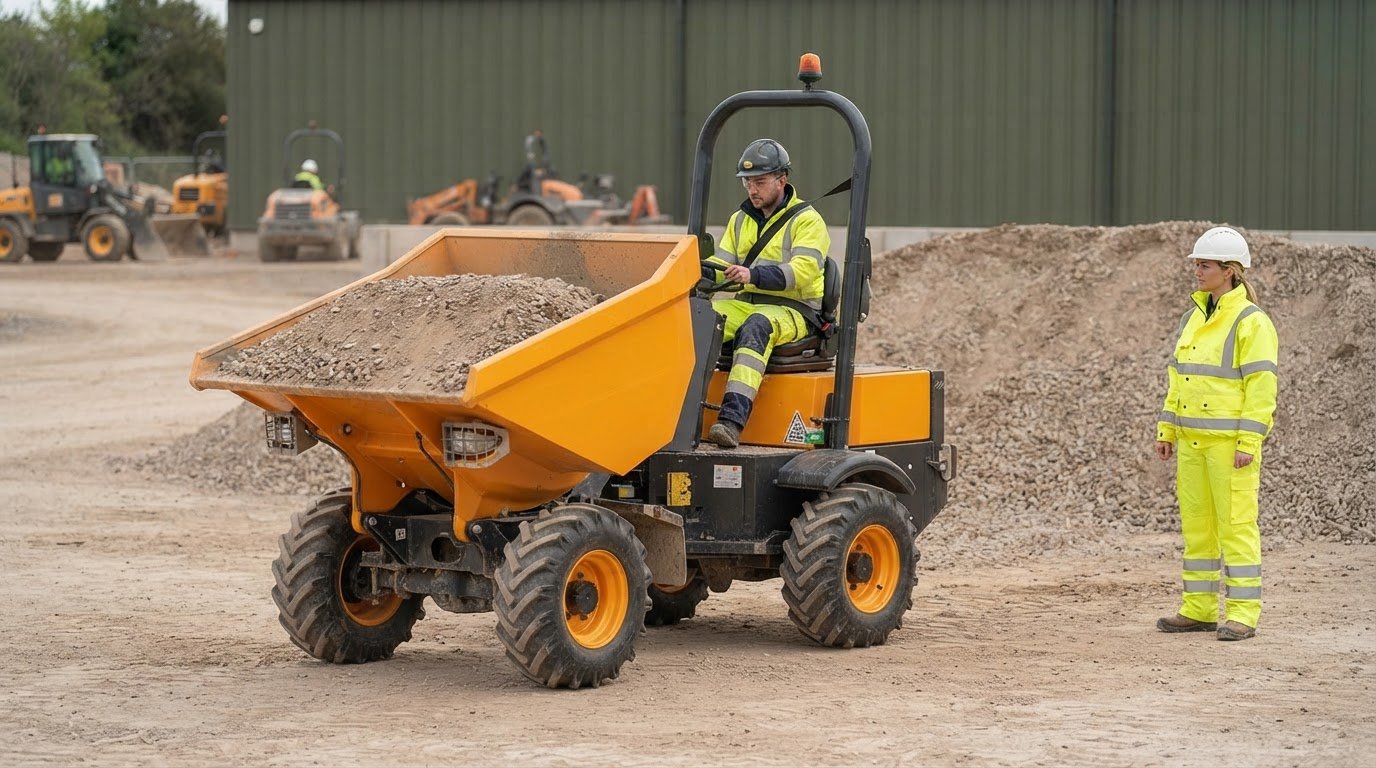
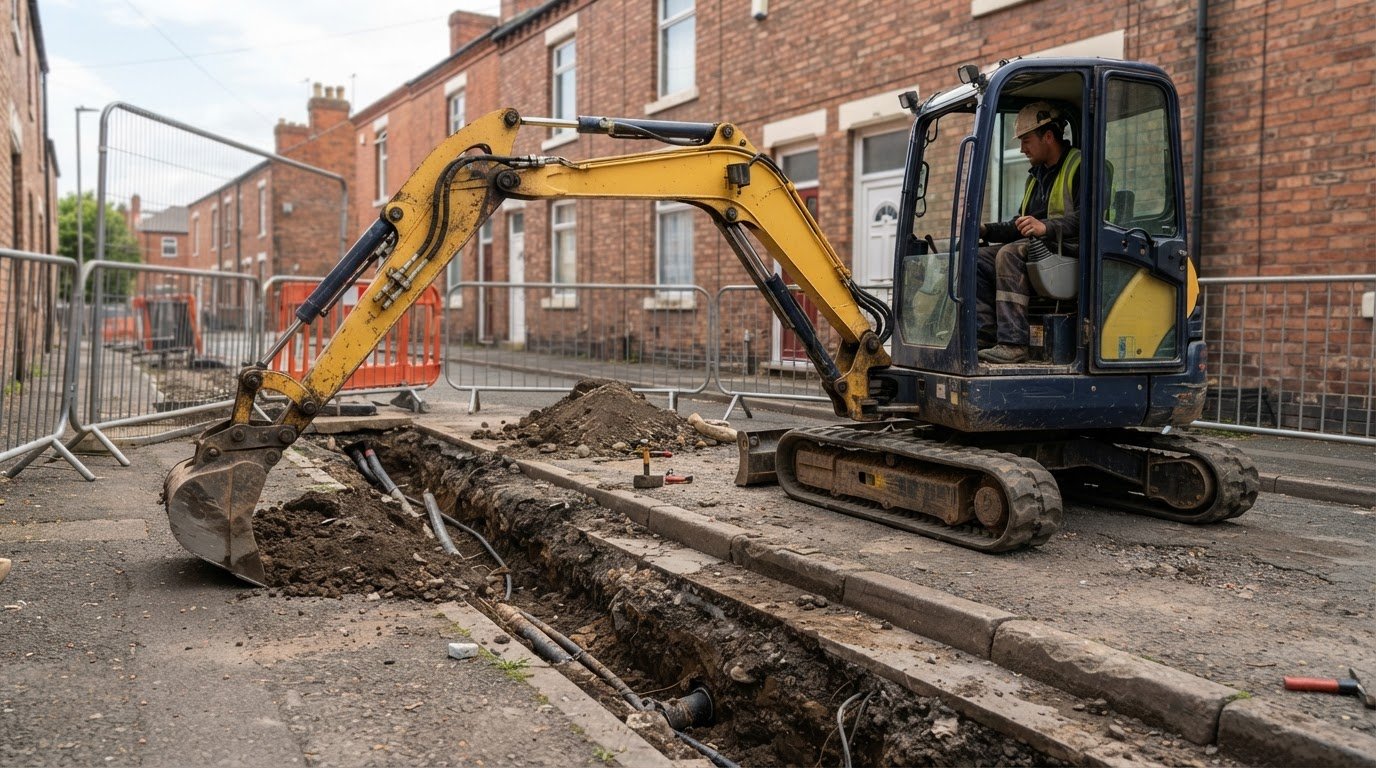
Mini diggers and dumpers can help move material around a site, but they don’t remove it from the site. For example, a mini digger can gather soil and a dumper can carry it to a collection point. You’ll still need a separate removal option, such as a skip or a trip to a household tip. Mini Digger Hire and Dumper Hire can support this approach.
Comments