
Construction Site Preparation Checklist: Get Ready for 2026 Projects
What if the first delay on a 2026 project happens before work even begins? An unclear access route, unexpected ground conditions or a service connection that isn’t ready can disrupt the sequence before the first machine arrives. This construction site preparation checklist helps you identify those issues earlier.
A well-prepared site makes it easier for people, equipment and deliveries to work in the right order. The challenge is making sure the project team has clear information and essential arrangements in place when needed. Practical checks before work starts can help the team spot avoidable interruptions and decide what needs resolving before mobilisation.
Use this guide to review access, ground conditions, utilities, site facilities, responsibilities and equipment requirements. It also explains how confirmed site conditions can help you identify suitable self-drive plant, from mini diggers and dumpers to rollers and telehandlers, alongside welfare unit hire. Rocket Rentals Ltd provides plant and site equipment hire for professional projects. The aim is simple: organise the details so your site is ready for the work ahead.
Table of Contents
Construction site preparation checklist: what must be ready before work starts?
Check site information, boundaries and ground conditions before mobilisation
Confirm site access, underground services and safe working arrangements
Match plant, welfare and site facilities to the work planned
Use this final pre-start checklist to confirm site readiness
Construction site preparation checklist: what must be ready before work starts?
A site-specific review before mobilisation can help identify missing information and practical constraints before they interrupt work. A construction site preparation checklist gives the team a shared planning aid, but it isn’t a replacement for project-specific assessments, professional advice or decisions made by the people responsible for the work. If you require expert guidance on statutory site and building regulations, discover Oxford Environmental Consultants (OEC) for multi-disciplinary property compliance services.
Readiness depends on five connected areas: information, ground, access, services and people. A gap in one can affect the others. For example, a change to the planned work area may alter where equipment can be delivered or stored. Construction management involves planning and coordinating project activity. Pre-start checks turn that coordination into practical actions.
Who should complete and confirm the site checks?
The site manager or project lead can coordinate the review, subject to the project’s arrangements. Agree who supplies each drawing, site record or other relevant detail, who reviews it, and who confirms it is suitable for the planned work. Sharing a document doesn’t mean it has been checked or approved.
For each open action, record the issue, the person responsible and the target completion date. This gives the team a clear way to follow up before mobilisation and flag anything that could affect the start of work.
What belongs on a pre-start checklist?
Group checks so the team can review each part of readiness without treating the list as a one-size-fits-all plan. Adapt it to the site, work scope and project team.
Site condition: Record known ground conditions, boundaries, work areas and storage plans. Mark information that still needs verification.
Access: Check entrances, delivery routes, turning areas and restrictions that could affect people, vehicles or plant.
Services: Gather available service information and identify what must be confirmed before ground disturbance.
Facilities: Check which workforce facilities are needed and where they can be placed.
Equipment: Note the planned tasks, site conditions and access details that will inform plant and equipment selection.
Communication: Confirm who needs updates, how changes will be shared and who can resolve outstanding questions.
Separate confirmed facts from assumptions. Label uncertain details clearly, assign someone to check them and update the list when information is verified. Before mobilisation, review the documents, ground, access, services, facilities, equipment and responsibilities with the relevant people.
Check site information, boundaries and ground conditions before mobilisation
Review the information that will guide the work before people or equipment are sent to site. The construction site preparation checklist should help you spot gaps early, particularly where plans, recorded conditions and what the team can see on the ground don’t match.
Which site records and plans need reviewing?
Gather the current project drawings and relevant site information, including plans showing boundaries, work areas, access points and intended storage locations. Check recorded restrictions or known ground constraints that could affect where work takes place. Make sure the versions being reviewed are current and understood by the people carrying out the work.
Compare the information across the project team. If a boundary is unclear, a drawing conflicts with another record or a restriction hasn’t been explained, log it for follow-up rather than treating an assumption as confirmed. Record who will resolve each query and when it needs to be addressed before mobilisation.
How should ground and working areas be checked?
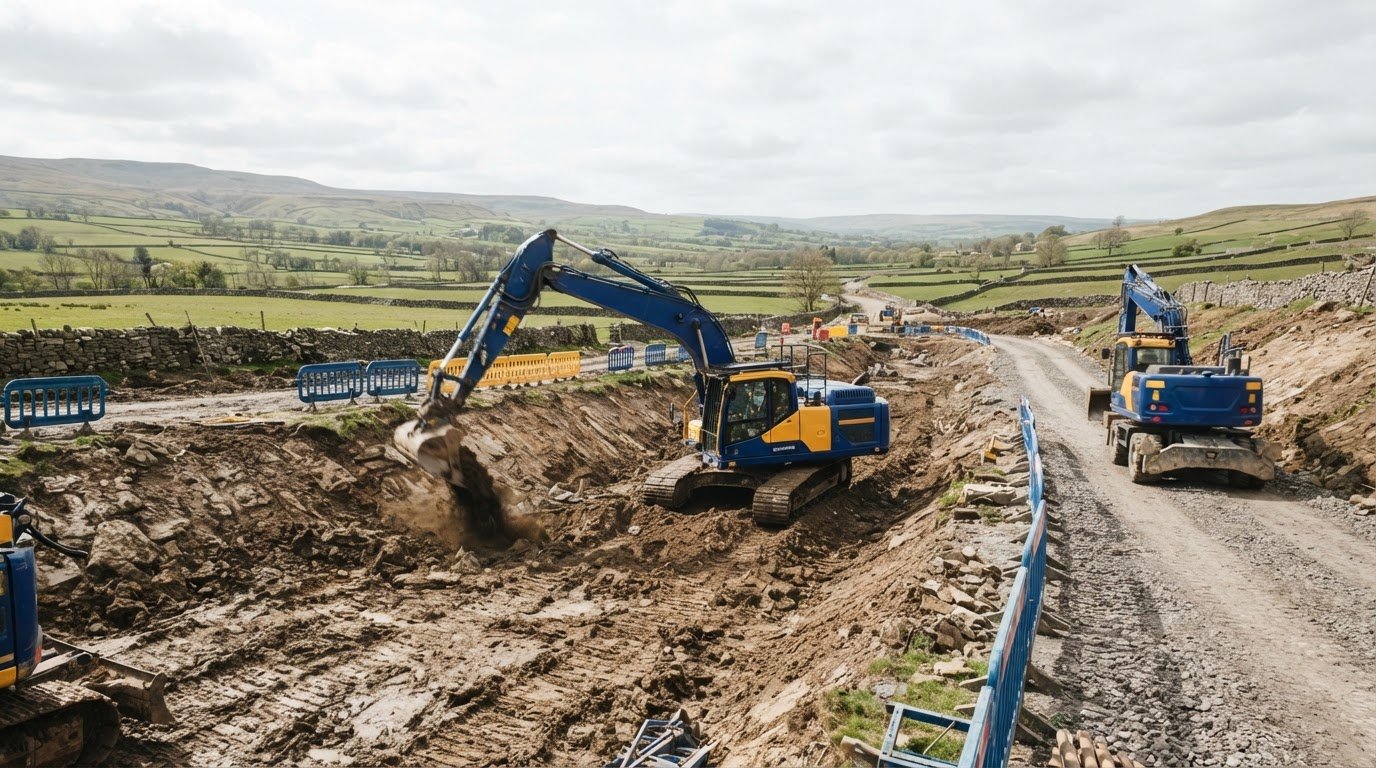
Review what’s known about the ground and identify locations that may need further assessment by a suitably qualified professional. Gradients, soft ground, obstructions and the planned position of working equipment can all affect the sequence of work and the plant that may be suitable. Keep the review specific to the task and site. Don’t rely on a general description of ground conditions when more detail is needed.
Check that the intended work area, access route and storage plan fit together. A place suitable for storing materials may not be suitable for equipment movement, for example. Mark relevant constraints on the site plan and share them with the people arranging deliveries and carrying out the work.
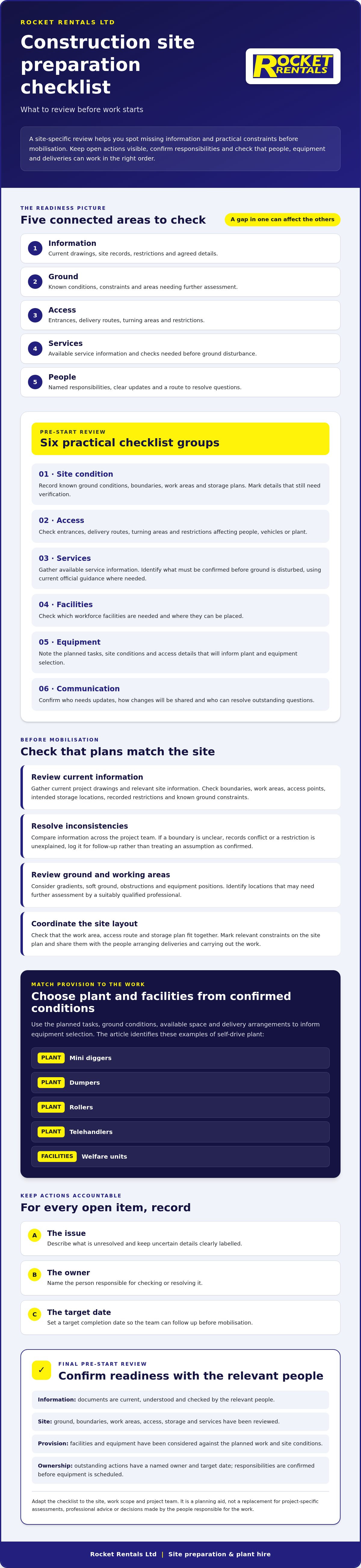
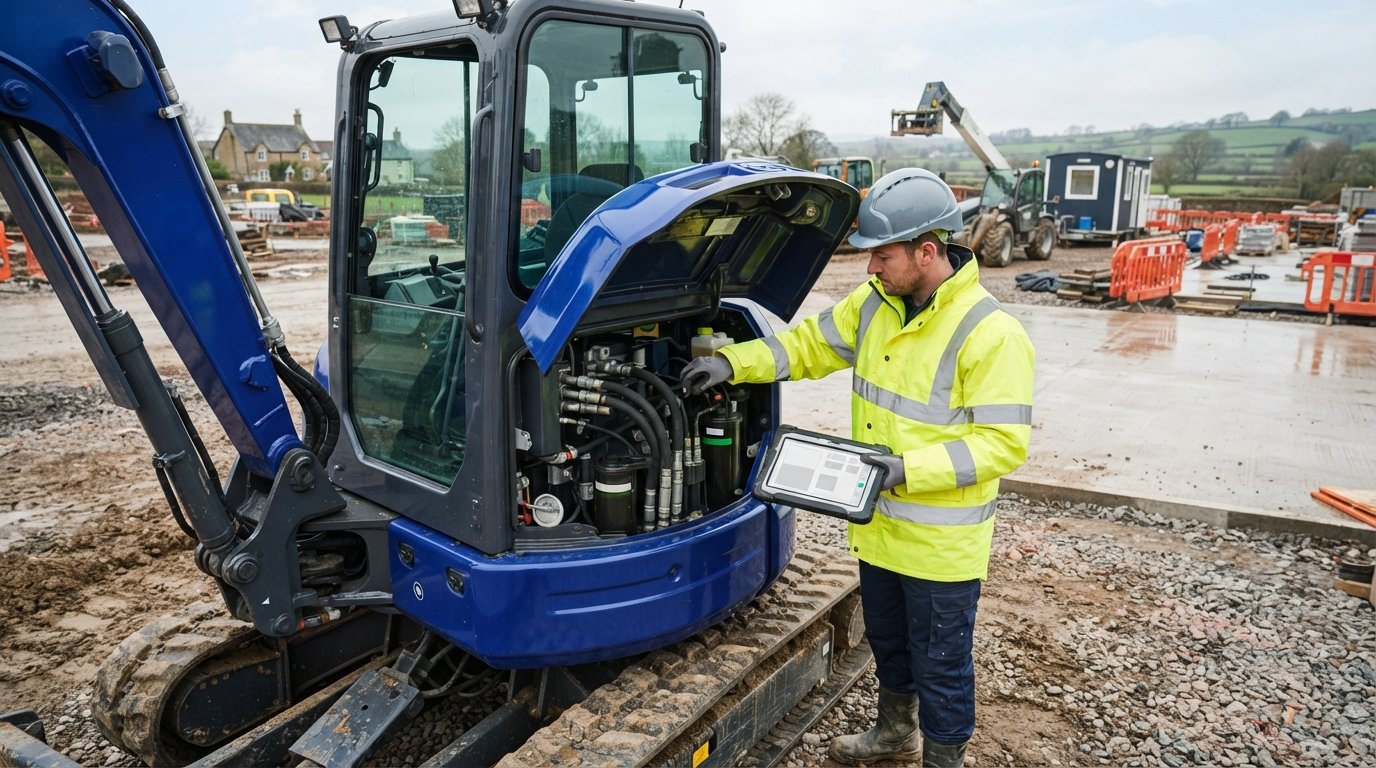
For excavation tasks, mini excavator hire planning should take account of access and ground requirements as well as the work planned.
Equipment selection should follow confirmed site conditions and task requirements. This gives you a clearer basis for discussing plant hire needs. If you’re considering mini digger hire, you can discuss your site requirements and equipment needs with Rocket Rentals Ltd.
Confirm site access, underground services and safe working arrangements
Access and service checks help the team plan how people, deliveries and equipment will move around the site. Add them to your construction site preparation checklist, and resolve uncertainties before work or ground disturbance starts.
Are delivery routes and working areas suitable?
Check the route from the site entrance to each planned work area. Compare its width, height restrictions, turning space and surface conditions with the equipment and delivery arrangements under consideration. Confirm where vehicles can stop, unload and turn without blocking access or disrupting other work.
Map pedestrian routes, vehicle movements and loading areas. Identify where they cross and agree how the team will manage those interfaces. If work involves elevated access, consider the access requirements for the work area when planning equipment such as a scissor lift.
What should be checked before disturbing the ground?
Locate available plans showing underground services, then confirm with the project team how their information will be checked on site before excavation. Service locations must be checked before excavation begins. Don’t assume a plan alone confirms the precise position of buried services. If details are missing or uncertain, pause the relevant planning and seek appropriate advice before work proceeds.
The Health and Safety Executive’s HSG47 guidance on underground services provides information on avoiding danger. Consult the current official guidance and confirm its applicability to your work and circumstances.
How will the team share safe working arrangements?
Agree how site rules will be communicated, including induction arrangements, communication routes and emergency contacts. Check that relevant risk assessments and method statements reflect the work planned and the conditions identified on site. Make sure the people involved know where to find the latest information and who to contact if circumstances change.
Consider interfaces between contractors, deliveries, existing operations and public access where relevant. Confirm who is coordinating each interface and how changes will be passed on. Clear arrangements help reduce confusion when different activities share the same space, and project managers reviewing overall site protection and monitoring can explore Security Guard Contracting to maintain round-the-clock safety.
When enquiring about self-drive plant hire from Rocket Rentals Ltd, share the confirmed route and work area details. This provides a practical starting point for discussing equipment requirements.
Match plant, welfare and site facilities to the work planned
Choose equipment by starting with the job, not a machine name. Consider the task, confirmed ground conditions, route into the work area, available space and delivery arrangements. These details help you identify relevant plant and give the hire provider a basis for discussing suitability and availability before you schedule equipment.
How do site conditions inform plant selection?
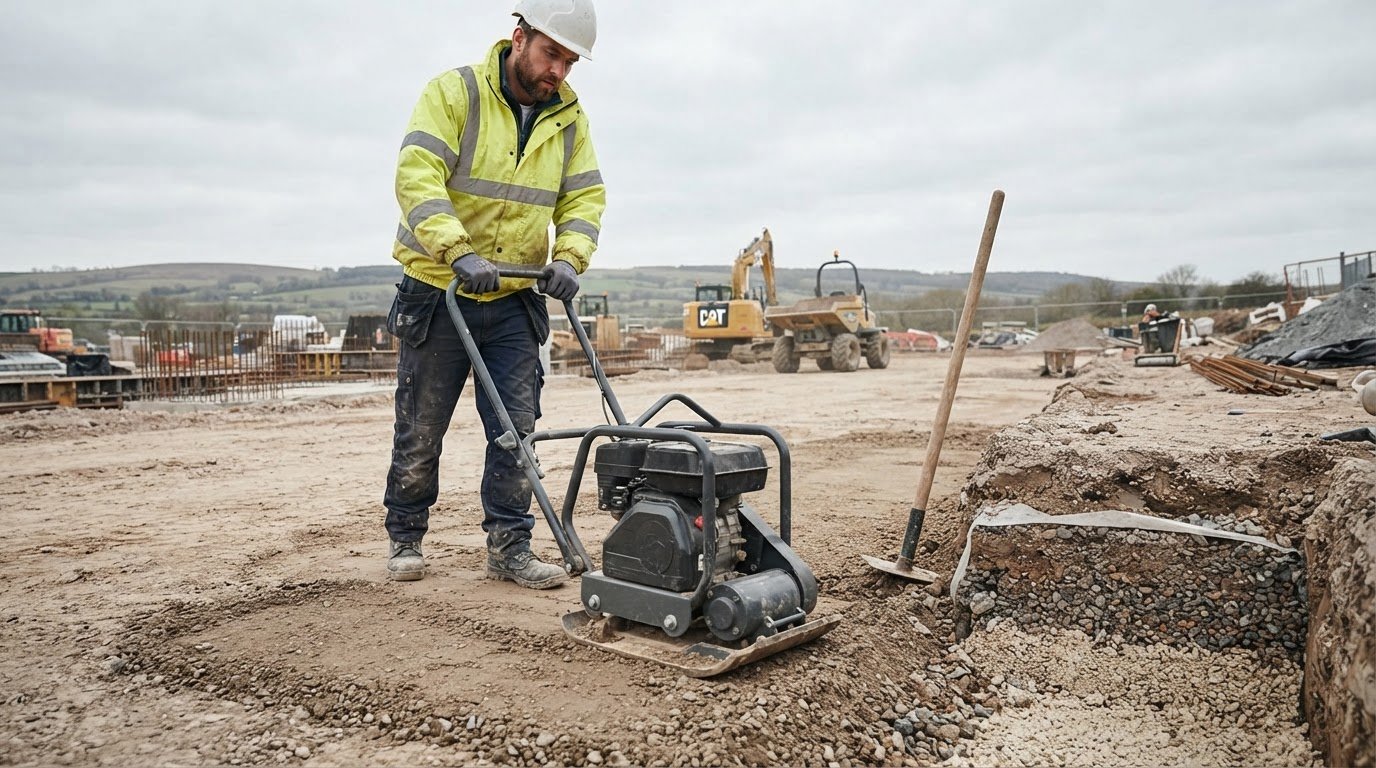
Use your construction site preparation checklist to connect each planned task with the conditions in which it must be completed. An excavator may be relevant to excavation work, a dumper may suit planned movement of materials, and a roller may be needed for compaction. The right choice depends on the work and site details, not just the equipment category.
Which support facilities should be planned?
Plan welfare facilities around the workforce and site layout. Confirm the intended location and arrangements before work starts. For work at height, consider whether a scissor lift suits the planned task and work area. For material handling, consider whether a telehandler is relevant. Identify any excavator attachments needed and check that the requirements match the machine being considered.
Before scheduling, discuss the confirmed task, ground, access, working area and delivery arrangements with the hire provider. Ask them to confirm equipment suitability and availability for your project. Enquire about plant and site equipment hire from Rocket Rentals Ltd with your site requirements to hand.
Use this final pre-start checklist to confirm site readiness
Before mobilisation, review the key details together rather than relying on separate assumptions. This final construction site preparation checklist gives the site lead a clear sequence to follow and a record of anything that still needs attention.
What should the site manager confirm before mobilisation?
Check the information. Confirm that relevant project details and plans are current, understood and available to the people doing the work.
Review site conditions. Check boundaries, ground information, work areas and storage locations. Flag any condition that needs further assessment or clarification.
Confirm access. Review entrances, delivery routes, turning areas and the locations where work and equipment are planned.
Verify service checks. Confirm how available underground service information will be checked on site before ground disturbance.
Agree site arrangements. Make sure the project team understands relevant facilities, communication routes, emergency arrangements and responsibilities.
Close out open actions. Record each outstanding task, its owner and target completion date. Decide whether work plans or delivery arrangements need to change before equipment is scheduled.
Keep unresolved items visible. If a key detail is uncertain, identify who will confirm it and whether mobilisation or a delivery plan should wait for that answer. This helps the team make decisions using the best available information.
How can a plant hire enquiry be made more useful?
Once site needs are clear, share the planned task, access details, known ground conditions, working area and intended hire period with the hire provider. Explain relevant restrictions and whether you’re considering attachments or welfare unit hire. These details help the provider discuss suitable self-drive equipment and check availability before you schedule it.
Rocket Rentals Ltd supplies self-drive plant and site equipment for professional projects. A practical enquiry starts with the tasks and site conditions you’ve confirmed, so the equipment discussion can focus on your project’s requirements.
Discuss your plant hire requirements with Rocket Rentals Ltd once your site information is ready. Share the task, access arrangements and any attachment or welfare unit requirements.
Get your site ready for a confident start
A well-used construction site preparation checklist turns pre-start planning into clear actions. Confirm site information, ground conditions, access and service checks, then make sure responsibilities and outstanding actions are understood before mobilisation.
Match plant and welfare facilities to the work and the conditions you’ve confirmed. Sharing task details, access requirements and the intended hire period with your equipment provider can make the discussion about suitable self-drive equipment more focused.
With the checks complete, contact Rocket Rentals Ltd to discuss self-drive plant, attachments or welfare unit hire for your project.
Clear communication across the team and a record of open actions can help you approach the start of work with greater confidence.
Frequently Asked Questions
What should be included in a construction site preparation checklist?
Include checks for project information, boundaries, ground conditions, access, underground services, facilities, equipment and team communication. Note which details are confirmed and which still need checking, then assign an owner and target date to each open action. Adapt the construction site preparation checklist to the work scope and site rather than relying on a generic list. This makes it easier to see what needs resolving before mobilisation.
How do you prepare a construction site before work starts?
Start by reviewing current project information and confirming the site boundaries, planned work areas and known restrictions. Check ground conditions, delivery routes and how service information will be verified before ground disturbance. Agree site arrangements, facilities and responsibilities with the project team. Then match equipment to the tasks and conditions, track unresolved actions and decide whether work or delivery plans need adjusting before mobilisation.
What should be checked before excavating on a construction site?
Before excavation, review available underground service plans and confirm how the information will be checked on site. A plan alone does not establish the exact position of buried services. Identify uncertain information and seek suitable advice before disturbing the ground. Consult current Health and Safety Executive guidance, including HSG47, and check that it applies to the planned work. Also consider known ground conditions, the work area and access for equipment.
Who is responsible for preparing a construction site?
Responsibility depends on the project's arrangements. A site manager or project lead can coordinate preparation checks, but the team should agree who provides, reviews and confirms each relevant piece of information. Make responsibilities clear for site conditions, access, service checks, facilities and equipment planning. Record outstanding actions with a named owner and target date, so queries are followed up before work or deliveries are scheduled.
How do you check whether plant can access a construction site?
Review the full route from the entrance to the planned working area, including width, height restrictions, turning space, gradients, surface conditions and access limits. Compare these details with the equipment and delivery arrangements under consideration. Also check where vehicles can unload and how pedestrian routes and other site activities will be managed. Share the confirmed route information with the hire provider when discussing suitable plant and delivery requirements.
What welfare facilities should be considered during site preparation?
Consider the facilities needed by the workforce and how they fit the site layout and planned work. Decide where facilities can be positioned without obstructing access, deliveries or working areas, and confirm the arrangement with the project team before mobilisation. A welfare unit may be suitable for some projects. Rocket Rentals Ltd offers welfare unit hire, so share your site requirements when checking whether this option fits your plans.
When should plant hire be arranged for a construction project?
Start discussing plant hire once the tasks, site conditions, access arrangements and intended hire period are clear enough to explain. This gives the hire provider practical information to discuss suitable self-drive equipment, attachments or welfare unit options and confirm availability before you schedule them. Avoid assuming a particular machine will suit the site until its requirements have been considered against the work and access details. Allow time to resolve any outstanding information first.
Comments