
Long-Term Construction Equipment Hire: The Professional Strategy for Site Efficiency
Could the machinery sitting on your site be the single biggest risk to your project's financial stability? Many contractors find that managing a rotating door of short-term contracts creates an administrative burden that distracts from the build itself. You're likely familiar with the frustration of fluctuating hire costs and the unexpected downtime that occurs when machinery quality is inconsistent. Choosing long term construction equipment hire isn't just a logistical decision; it's a professional strategy designed to provide the operational consistency required for major construction programmes.
This article explores how a strategic partnership for plant hire can stabilise your project budgets through fixed monthly costs. We'll examine the benefits of accessing a modern, well-maintained fleet that meets the latest safety standards, such as the 2025 excavator safety lever requirements. By the end of this guide, you'll understand how to simplify your site logistics and ensure regulatory compliance whilst maintaining the financial forecasting needed for long-term success. We will show you how a single point of contact for your machinery needs can transform your operational efficiency and provide the peace of mind required for complex projects.
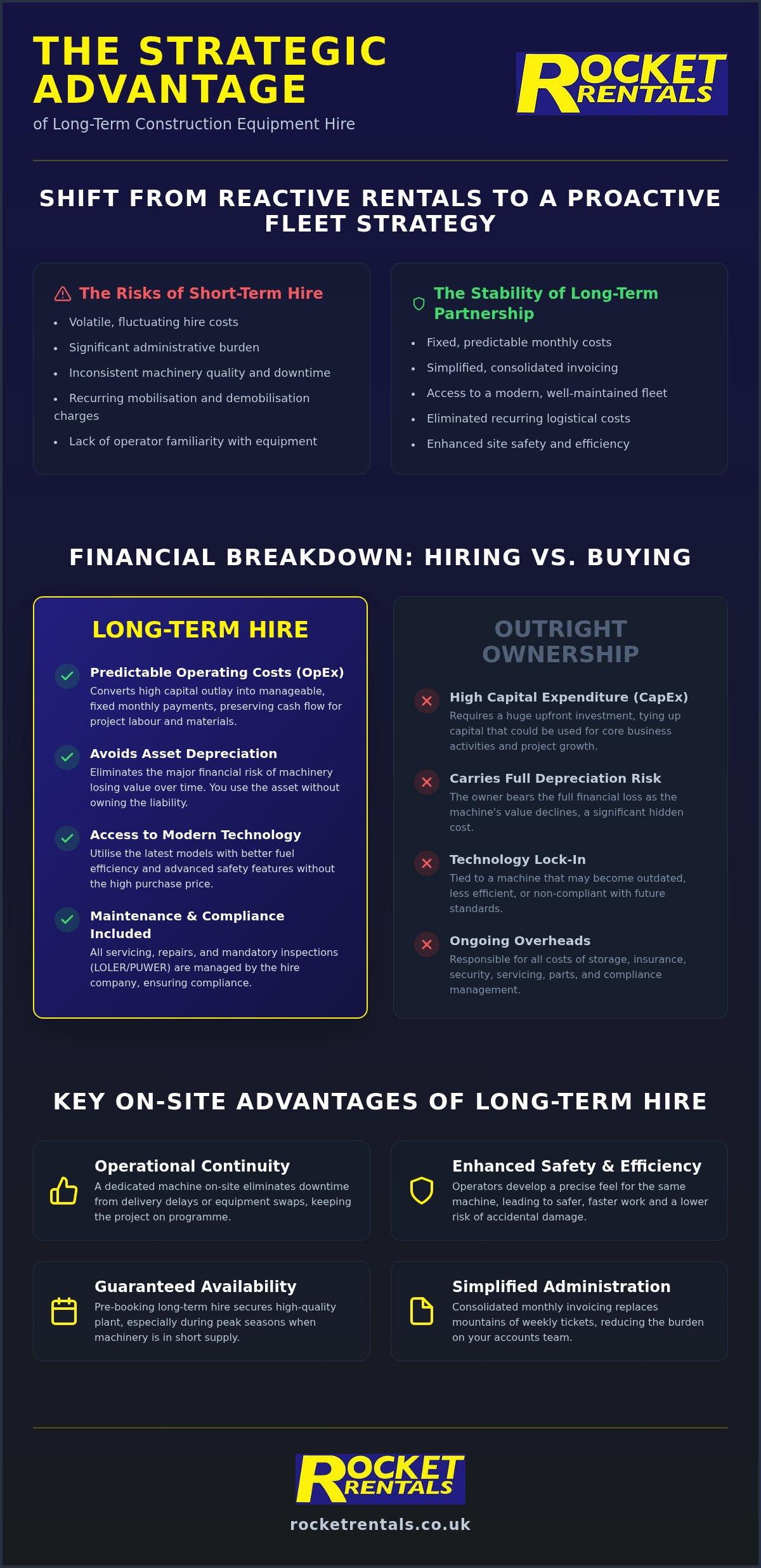
Table of Contents
Understanding the Strategic Value of Long-Term Construction Equipment Hire
In the professional plant sector, long term construction equipment hire typically refers to any agreement exceeding three to six months. While short-term rentals serve immediate needs, moving toward a proactive fleet strategy allows contractors to treat machinery as a reliable extension of their own team. This shift is vital for larger infrastructure projects where consistency is the foundation of progress. Within the broader equipment rental industry, the move towards long-term partnerships is increasingly seen as a sign of operational maturity.
Repeatedly moving plant on and off a site incurs significant mobilisation and demobilisation charges that quickly erode project margins. By securing a machine for the duration of a specific build phase, you eliminate these recurring logistical costs. There's also a distinct psychological advantage for your site team. When an operator uses the same excavator or telehandler every day, they develop a precise feel for its controls and behaviour. This familiarity isn't just about comfort; it directly translates to safer, more efficient work and a lower risk of accidental damage.
Financial Predictability for Project Tenders
Securing fixed rates is a powerful shield against the market fluctuations that can occur during an eighteen-month programme. When you lock in a rate at the tender stage, you protect your margins from price hikes or seasonal demand spikes. Consolidated invoicing simplifies the burden on your accounts team, replacing a mountain of weekly tickets with clear, monthly statements. Fixed-rate hire ensures that your project cost-to-complete reporting remains accurate and free from the volatility of spot-market pricing.
Operational Continuity and Site Efficiency
Downtime is often the hidden cost of short-term hire. Every time a rental ends and a new one begins, there's a risk of delivery delays or receiving a machine with different controls. Keeping a dedicated machine on-site ensures it's ready the moment the shift starts. Pre-booking long-term slots also guarantees availability during peak summer months when high-quality plant is often in short supply. Consistent machinery helps maintain site safety standards, as operators don't have to constantly adapt to different cabin layouts or safety systems. This reliability allows site managers to focus on the build rather than chasing delivery drivers.
Hiring vs Buying: The Long-Term Financial Perspective
For many contractors, the decision to invest in heavy machinery feels like a milestone, but the reality of ownership often brings unforeseen financial burdens. When evaluating renting versus buying construction equipment, the primary advantage of hire is the transition from high Capital Expenditure (CapEx) to predictable Operating Expenditure (OpEx). This shift preserves your cash flow, allowing you to allocate capital toward project labour and materials rather than tying it up in depreciating iron.
Depreciation is perhaps the most significant hidden cost of ownership. Heavy machinery can lose a substantial portion of its value in the first few years, representing a major financial risk if market demand shifts. By choosing long term construction equipment hire, you avoid this loss entirely. You also eliminate the costs associated with secure storage and insurance during project lulls, as the machinery is simply returned to the specialist once the specific build phase concludes. Security is another overhead often overlooked; sites require robust fencing and monitoring for owned assets, whereas a hire agreement shifts the long-term security burden back to the provider.
Hiring also grants immediate access to the latest technology. Instead of being tied to a five-year-old machine you purchased, you can utilise modern models with better fuel efficiency and advanced safety features without the high upfront price. This ensures your site remains competitive and compliant with the latest environmental standards.
Maintenance and Compliance Costs
Ownership requires a dedicated service team and a vast inventory of spare parts to manage wear and tear. With a long-term hire agreement, the responsibility for mandatory inspections, including LOLER and PUWER certifications, sits with the hire company. This ensures you always have a machine with a valid service record, reducing the administrative burden on your site managers. If you require a reliable partner for your next project, you can view our range of self-drive plant to see how we manage these compliance details for you.
Asset Flexibility and Disposal Risks
The second-hand plant market is notoriously volatile. Selling used machinery often results in lower returns than anticipated, especially if the timing doesn't align with market demand. Long term construction equipment hire allows for agile fleet scaling, enabling you to match your fleet size to specific project phases without the risk of being 'over-fleeted' with idle assets. Disposal is a complex process involving transport logistics, auction fees, and marketing time. By hiring, you bypass the entire disposal cycle, allowing you to pivot your resources toward the next contract immediately.
Core Machinery and Welfare Solutions for Extended Programmes
Successful site management relies on more than just financial strategy; it requires a fleet capable of meeting every phase of the build. For projects lasting several months, the core machinery usually consists of excavators, telehandlers, and dumpers. These assets form the backbone of the site's productivity. Telehandler hire is particularly critical because these machines serve as the primary material handlers from the initial groundworks right through to the final fit-out. Unlike specialised machinery that may only be needed for a few days, a telehandler often remains on-site for the duration, making it a prime candidate for long term construction equipment hire.
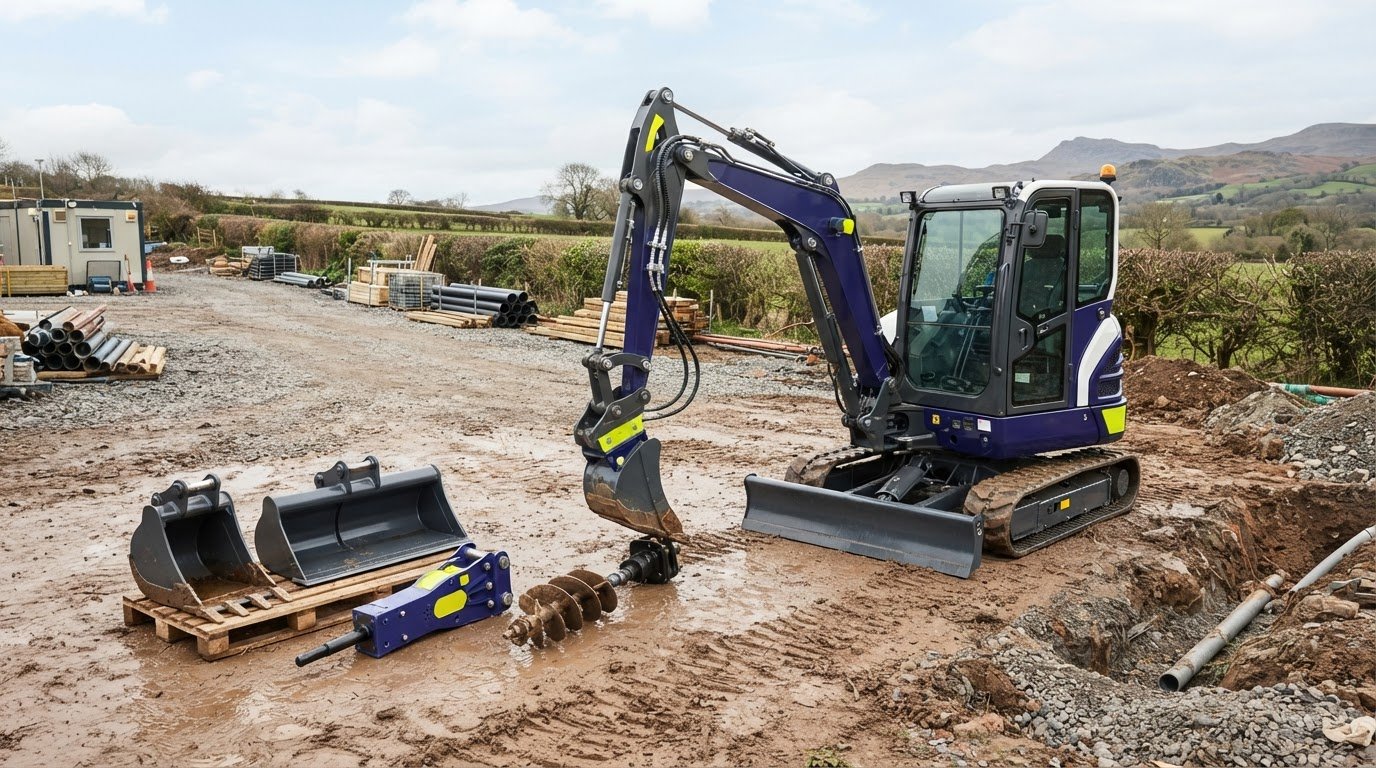
Site efficiency also depends on the health and compliance of the workforce. Integrating welfare unit hire into your equipment strategy isn't just about convenience; it's a legal necessity under HSE guidelines. Providing modern, towable welfare units ensures that workers have access to clean facilities, which is essential for maintaining morale on extended programmes. Managing Safety and Compliance on site involves ensuring that all personnel have the right environment to rest and prepare, which reduces the risk of fatigue-related incidents. Utilising specialised excavator attachments can also increase machine versatility, allowing a single unit to perform multiple roles throughout the project lifecycle.
Heavy Plant for Groundworks and Infrastructure
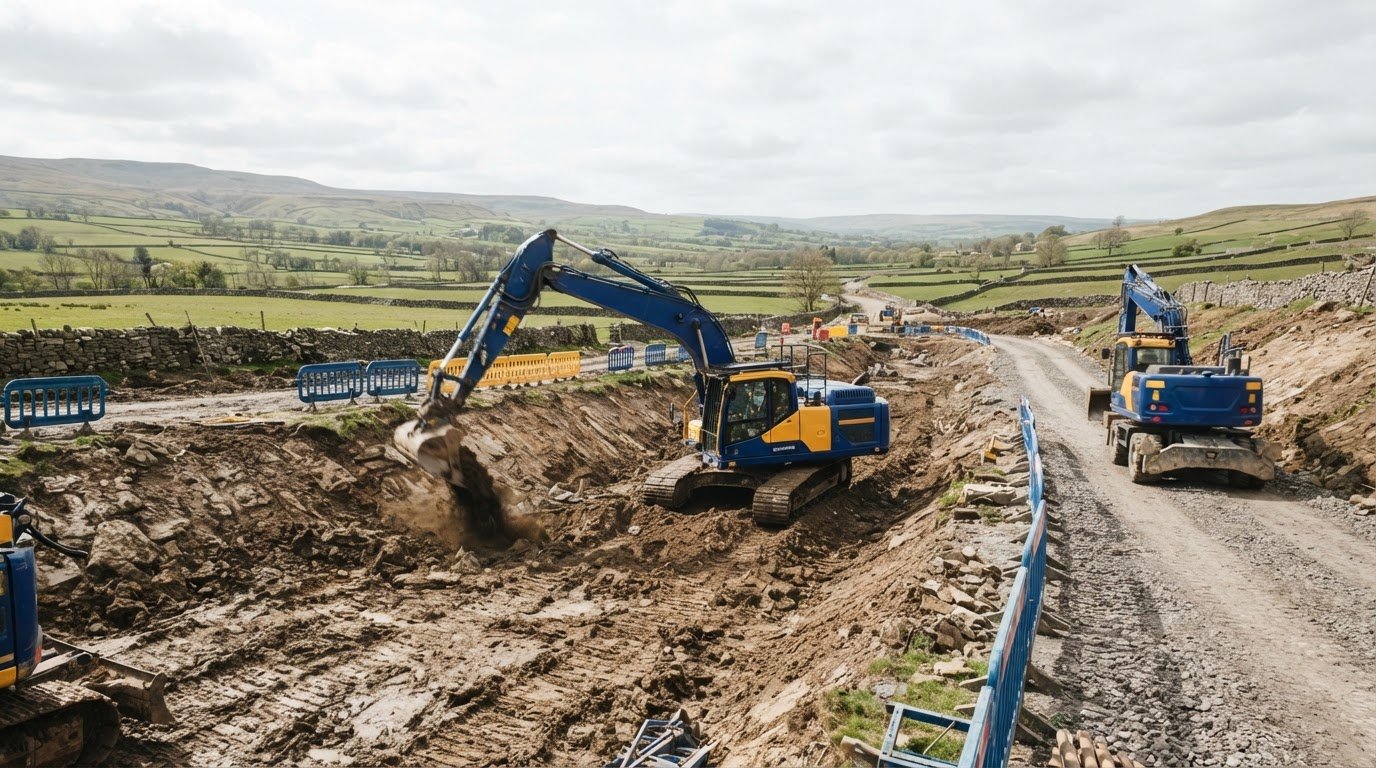
Selecting the correct excavator size is vital for long-term earthmoving tasks. A machine that's too small will struggle with heavy lifting, whilst an oversized unit may lead to unnecessary fuel consumption. You can find detailed advice on choosing the right model in our guide to Excavator hire in the South West. Rollers and dumpers also play a fundamental role in establishing site foundations, ensuring that the ground is properly prepared and materials are moved efficiently during the critical early stages of a build.
Site Infrastructure: Welfare and Access
Meeting HSE requirements is straightforward when you utilise modern, towable welfare units that provide canteen, toilet, and drying room facilities in one compact package. As the project moves from groundworks into internal phases, scissor lift hire becomes essential for long-term fit-out or maintenance tasks. For indoor projects or sensitive environments, we recommend exploring Electric Scissor Lift Hire to maintain air quality whilst ensuring safe access at height. Having these units pre-booked as part of your long term construction equipment hire strategy prevents delays during the transition between build phases.
Managing Safety and Compliance on Long-Term Sites
Self-drive plant hire places the responsibility for safe operation directly with the contractor. When engaging in long term construction equipment hire, it's essential to establish a formalised safety management system that covers the entire duration of the project. This starts with ensuring that every operator is fully trained and holds the correct certifications for the specific machinery they use. Maintaining a consistent operator for each machine helps build the familiarity mentioned earlier, which is a key factor in reducing site incidents.
Daily pre-start checks are the first line of defence against mechanical failure and site accidents. Operators must inspect fluid levels, tyre or track condition, and safety features such as beacons and alarms. As of August 2025, it's a legal requirement to engage safety control levers or isolation devices on any excavator when it's not in use. These checks, along with more detailed weekly inspections, should be recorded in a comprehensive site safety file. This document acts as a vital audit trail for health and safety inspectors, proving that the plant has been maintained to professional standards whilst under your control.
Modern telematics systems now play a significant role in site safety. These systems allow site managers to track machine usage, monitor idling times, and identify any instances of unsafe behaviour, such as over-speeding or overloading. By reviewing this data, you can provide targeted training and improve overall site efficiency. Using data-driven insights ensures that safety isn't just a policy but a measurable part of your daily operations.
Regulatory Inspections: LOLER and PUWER
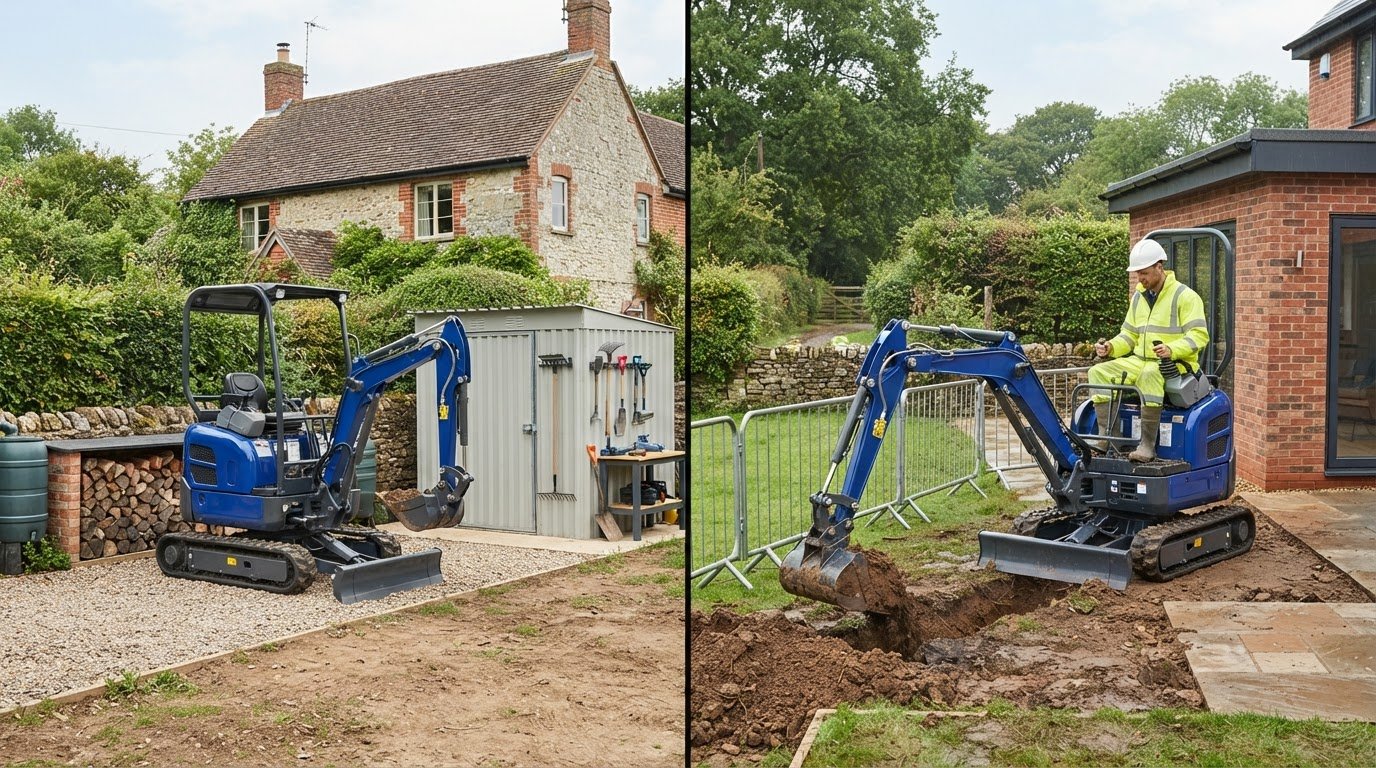
For lifting equipment like telehandlers or excavators used for lifting, LOLER (Lifting Operations and Lifting Equipment Regulations) inspections are mandatory every six months. PUWER (Provision and Use of Work Equipment Regulations) requires regular inspections to ensure all work equipment is safe for use. A reliable hire partner will provide up-to-date certification at the start of the contract and notify you when re-inspections are due. For more specific guidance on smaller machinery, see The Professional Guide to Mini Excavator Hire.
Site Security and Asset Protection
Long-term sites are often targets for theft, so robust security measures are essential. Best practices include immobilising machinery overnight, using secure compounds, and ensuring all keys are removed and stored safely. The hirer holds a primary duty of care to ensure all machinery is operated safely and protected from damage or theft whilst under their control on-site. Adequate plant hire insurance is a non-negotiable requirement for long-term contracts to protect your business against the cost of replacement or repair. If you're ready to secure a reliable, compliant fleet for your next programme, you can contact our specialist team today.
Partnering with Rocket Rentals for National Project Success
Rocket Rentals has established itself as a cornerstone of the industry since our foundation in 1988. As an independent specialist, we provide the scale required for national infrastructure whilst maintaining the personal service that larger, corporate hire firms often lose. Our focus remains exclusively on professional contractors who require high-quality, self-drive machinery. When you commit to long term construction equipment hire with us, you aren't just renting a machine; you're securing a partnership with a team that understands the pressures of major programmes.
Streamlined account management is a priority for our large-scale clients. We understand that administrative efficiency is just as important as mechanical reliability. By providing a single point of contact and consolidated invoicing, we reduce the burden on your procurement and accounts teams. This allows you to focus on site productivity rather than managing multiple short-term contracts across different providers. Our national coverage ensures that whether your project is a single-site build or a multi-phase infrastructure programme, you receive the same dependable service.
Our Commitment to Quality and Safety
Maintaining maximum uptime is the primary goal of our rigorous fleet maintenance programme. We invest heavily in the latest models from leading manufacturers, ensuring our clients have access to the highest safety specifications and optimal fuel efficiency. This proactive approach to fleet management positions us as a "safe pair of hands" for your long-term plant requirements. Every machine in our self-drive fleet undergoes thorough inspections before delivery, ensuring it arrives on-site ready for immediate work. We don't just meet industry standards; we strive to exceed them through meticulous care and attention to detail.
Starting Your Long-Term Hire Journey
For professional contractors looking to stabilise their project costs, opening a trade account is the first step toward a more efficient site. Our team is experienced in discussing bespoke requirements for large-scale infrastructure projects, ensuring the fleet we provide is perfectly matched to your programme's specific phases. Whether you need a single excavator or a comprehensive package including telehandlers and welfare units, we can tailor a solution that fits your timeline.
If you're planning a project that requires a reliable, modern fleet, our experts are ready to assist. We can provide a comprehensive plant hire quotation that reflects the specific needs of your long-term programme. You can contact us today to discuss how our long term construction equipment hire services can support your next project with the reliability your business deserves.
Securing Your Site's Operational Future
Choosing a strategic approach to your fleet management transforms machinery from a project overhead into a reliable asset for success. By shifting from capital expenditure to predictable operating costs, you stabilise your project budgets and eliminate the risks associated with asset depreciation. A commitment to long term construction equipment hire ensures your site remains compliant with the latest safety regulations whilst benefiting from the operational consistency that only a modern, expertly maintained fleet can provide.
Rocket Rentals has been a trusted partner for professional contractors since 1988, offering a comprehensive national self-drive fleet that includes excavators, telehandlers, and essential site welfare units. Our independent status allows us to provide a dedicated, personal service that larger providers often struggle to match. We're ready to act as a "safe pair of hands" for your next major programme, ensuring your machinery is as reliable as your team.
If you're planning an upcoming build and require a fleet that combines quality with financial predictability, we can help. Contact Rocket Rentals for a bespoke long-term plant hire quote and discover how our expertise can support your project's national success. We look forward to helping you build with confidence.
Frequently Asked Questions
What qualifies as a long-term hire for construction equipment?
In the plant hire sector, a long-term hire is generally defined as any rental period exceeding three to six months. While short-term hire addresses immediate or emergency needs, long term construction equipment hire is a strategic decision for major infrastructure or housing projects. It allows site managers to secure a dedicated fleet for the entire duration of a build phase. This approach provides the stability needed for complex programmes that require consistent machinery on-site.
Is long-term plant hire cheaper than short-term rental?
Long-term hire is typically more cost-effective than repeated short-term rentals. Providers often offer reduced weekly rates for extended commitments, and you'll save significantly on mobilisation and demobilisation charges. By keeping a machine on-site for several months, you avoid the recurring delivery fees associated with multiple short-term contracts. This creates a predictable expenditure model that helps protect your project margins and simplifies your overall financial forecasting and project accounting.
Who is responsible for the maintenance of long-term hired plant?
The hire provider is responsible for major servicing and ensuring the machinery meets legal compliance standards like LOLER and PUWER. However, the hirer's operator must perform daily pre-start checks and weekly inspections to ensure the equipment remains safe and functional. These routine checks are vital for preventing minor issues from becoming major breakdowns. Rocket Rentals manages the overarching maintenance schedule to ensure your fleet remains in peak condition throughout the entire contract period.
Can I swap machinery during a long-term hire contract?
Yes, professional hire agreements often allow for fleet adjustments to match different project phases. For example, you might start with heavy excavators for groundworks and later transition to telehandlers for the fit-out stage. This flexibility is a key advantage of long term construction equipment hire over purchasing. It ensures you aren't paying for idle assets whilst allowing you to scale your site capabilities as the build progresses towards its final completion.
Do I need specific insurance for long-term construction equipment hire?
You must have "hired-in plant" insurance to cover the machinery whilst it's under your control on-site. This insurance protects against theft, vandalism, and accidental damage, which is especially important for long-term projects where equipment stays on-site overnight for many months. Most standard commercial policies can include this cover, but you should verify that the indemnity limit matches the total replacement value of the fleet you've hired. Professional contractors usually have this cover as standard.
What happens if a hired machine breaks down during a long-term project?
If a machine suffers a mechanical failure, the hire provider will typically dispatch a mobile engineer to carry out on-site repairs. If the issue can't be resolved quickly, a replacement machine is usually provided to minimise site downtime. Reliability is a priority for independent specialists, who invest in modern fleets to reduce the likelihood of breakdowns. Prompt support ensures your project timeline remains on track despite any unexpected mechanical challenges that might arise.
Are welfare units included in long-term plant hire packages?
Welfare units can be integrated into a comprehensive hire package to ensure your site meets HSE requirements from the very first day. These units provide essential facilities for your workforce, including canteens and drying rooms, which are critical for maintaining health and morale on extended programmes. Combining your welfare needs with your heavy plant requirements through a single provider simplifies your site logistics. This ensures all your site infrastructure arrives together and stays managed under one account.
How does long-term hire affect my company’s balance sheet?
Long-term hire is generally treated as an operating expenditure (OpEx) rather than a capital expenditure (CapEx). This means the machinery doesn't appear as a depreciating asset on your balance sheet, which can improve your company's financial ratios. It preserves your cash flow for other business needs, such as labour or raw materials. Because hire costs are fixed and predictable, they allow for more accurate project accounting and reduce the financial risk associated with machinery ownership.
Comments