
Rough Terrain Telehandler Hire for Construction and Agriculture
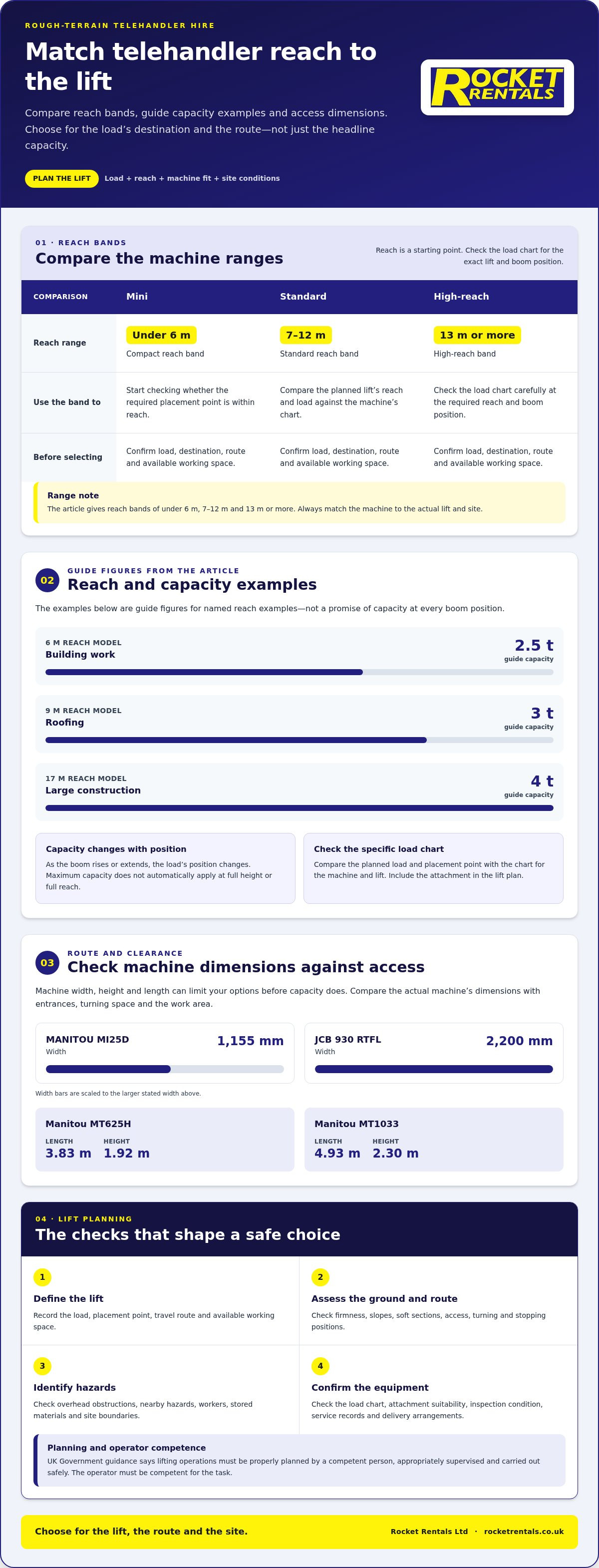
A telehandler is more than a forklift for uneven ground: its telescopic boom helps move materials up, out and across a site. With rough terrain telehandler hire, the right size depends on how high and how far the load needs to travel, as well as its weight. Mini machines have a reach under 6 m, standard telehandlers reach from 7 m to 12 m, and high-reach models reach 13 m or more.
It’s easy to focus on a machine’s maximum lifting capacity, but that figure does not tell you what it can safely carry at full height or extension. Capacity changes with the load’s position, so matching the machine to the planned lift matters for construction and agricultural work.
This guide explains what telehandlers do, how height and reach affect lifting capacity, and which size range may suit your task. You’ll also see how rough terrain models support work on uneven ground, and what to consider when choosing a machine for moving building materials, handling farm supplies or placing loads at height.
Table of Contents
Lifting capacity at full height and full reach
A telehandler’s capacity depends on boom position, load weight and site conditions. Match the machine’s load chart to the planned lift instead of relying on its maximum capacity alone.
Capacity at Full Height
A telehandler’s maximum lifting capacity applies in a stated configuration, not automatically at full height. As the boom rises, the load’s position changes and the capacity available for that lift can decrease. A size guide lists a 6 m reach model with a 2.5 t capacity for building work. Use the load chart to identify the capacity at your required height.
Reach and Load Capacity
Extending the boom places the load farther from the machine and changes the lifting conditions. A 9 m reach model is listed with a 3 t capacity for roofing, while a 17 m model is listed with a 4 t capacity for large construction. These guide figures aren’t capacities for every boom position. Compare the required reach and load with the chart for the specific lift.
Safe Lifting Capacity
Include the load and attachment in your lift plan, then check the load chart before moving the boom. Assess the route, ground and stopping position, as these affect stability. UK Government guidance says lifting operations must be properly planned by a competent person, appropriately supervised and carried out safely. Self-drive hire and operator competence are separate matters: the operator must be competent for the task.
Before use, assess ground firmness, slopes, access routes, overhead obstructions and nearby hazards. Confirm how delivery, collection, fuel, insurance and attachments are handled under the hire agreement before booking.
To find a hire firm serving your area, search by postcode and compare whether its machines suit your lift and site access.
Set out the site address, delivery and collection arrangements, hire dates, machine requirements and agreed terms in the hire contract.
Choosing a telehandler by size and task
Start with the task, not the machine’s headline capacity. Record the load, placement point, travel route and available working space. A roofing lift, for example, may need more reach than moving materials across a level construction area. The telehandler must fit the access route and complete the lift at the required position.
Next, compare the load chart with the planned lift and identify any attachment needed. Machine dimensions can narrow your options before capacity does. The MANITOU MI25D is 1,155 mm wide, while the JCB 930 RTFL is 2,200 mm wide. That difference matters when planning access through a restricted entrance or around stored materials.
Check site measurements against machine height and length, too. The Manitou MT625H measures 3.83 m long and 1.92 m high. The Manitou MT1033 measures 4.93 m long and 2.30 m high. These examples help you identify questions about clearance and manoeuvring space, but the actual machine’s dimensions must match your route and work area.
Before choosing a hire company and machine, check the inspection condition, service records, load chart, attachment suitability and delivery arrangements. Equipment advisory specialists like Nortruck Forklifts recommend thorough inspection checks and reviewing comprehensive maintenance histories before operating heavy lifting equipment. Give the hire team the site postcode, lift details and access restrictions so they can match the equipment to the task. Across the UK, shortlist firms serving your postcode, then compare their machine suitability and hire terms.
For a compact access route, prioritise width and turning space. For a lift over an obstruction, prioritise reach and the load capacity at that position. Note the heaviest load, its destination and the route from the delivery point to the work area. Compare these details with the machine dimensions and load chart to choose for the job, not just a single capacity figure.
Construction and agricultural applications
On construction sites, a rough-terrain telehandler can move materials over uneven ground and place loads where a conventional forklift may struggle to travel. Its telescopic boom helps position items such as block pallets near a building area or roofing materials at a work point. Match each lift to the load chart and planned route.
Rough-terrain forklifts are designed with tyres suited to uneven construction-site ground and enhanced stability when moving materials. Four-wheel drive and four-wheel steering can help telehandlers travel through challenging outdoor conditions. Before choosing a machine, map the access route, identify soft or sloping sections, and consider where it must turn or stop. A firm, clear route helps you plan movements around workers, stored materials and site boundaries.
On a farm, a telehandler can help move supplies between a yard and a field or place materials in storage. Shifting a pallet of feed over uneven ground, for example, requires suitable access, a clear route and a load within the machine’s capacity. Near livestock or buildings, consider turning space and visibility to plan careful positioning.
Construction and agricultural tasks differ, but the selection process is similar: define the load, destination, ground and route. A building site may need materials placed beside a structure, while a farm task may involve repeated trips between a yard and an outdoor store. Rough terrain telehandler hire is suitable when the machine’s reach, load chart and ground capability match the task. If the route is too soft, steep or restricted, revise the planned movement rather than forcing the machine through.
Mini, standard and high-reach hire ranges
Hire ranges group machines by reach, but the right choice also depends on the task and load. Compare the machine type, working height and load chart before selecting equipment.
Comparing Telehandler Types
Rough-terrain telehandlers suit outdoor work over uneven ground. Standard telehandlers handle general lifting tasks when their reach and capacity meet the requirements. Rotating telehandlers have a rotating turret, allowing the boom to turn and place loads without moving the chassis between positions. This can help where repositioning is difficult, but the site layout and planned lift still determine suitability.
When comparing telehandlers, identify whether your priority is terrain, general handling or placing loads at different angles. Then compare machine dimensions, the work area and the load chart for the planned lift.
Available Sizes, Capacities and Reach
Size guides class mini telehandlers as under 6 m reach, standard machines as 7 m to 12 m, and high-reach models as 13 m or more. Example listings include a 4 m reach machine with 1 t lift capacity for landscaping, and a 6 m reach model with 2.5 t capacity for building work. A 12 m example lists 3.5 t capacity for housebuilding.
For larger tasks, guides list a 14 m reach model with 3.5 t capacity for commercial use, and a 20 m machine with 5 t for major construction. These are guide examples, not capacities at every boom position. Check the chart for the actual lift.
Use reach categories as a first filter, then match the load, placement point and available space. A mini model may suit a confined task with modest reach; a high-reach machine is relevant when loads must be placed higher or farther away. Don’t choose by maximum reach alone: the required capacity at that extension matters just as much.
Set out your reach and load requirements, then explore telehandler hire options that fit the job.
Rocket Rentals Ltd: Mini Digger Hire
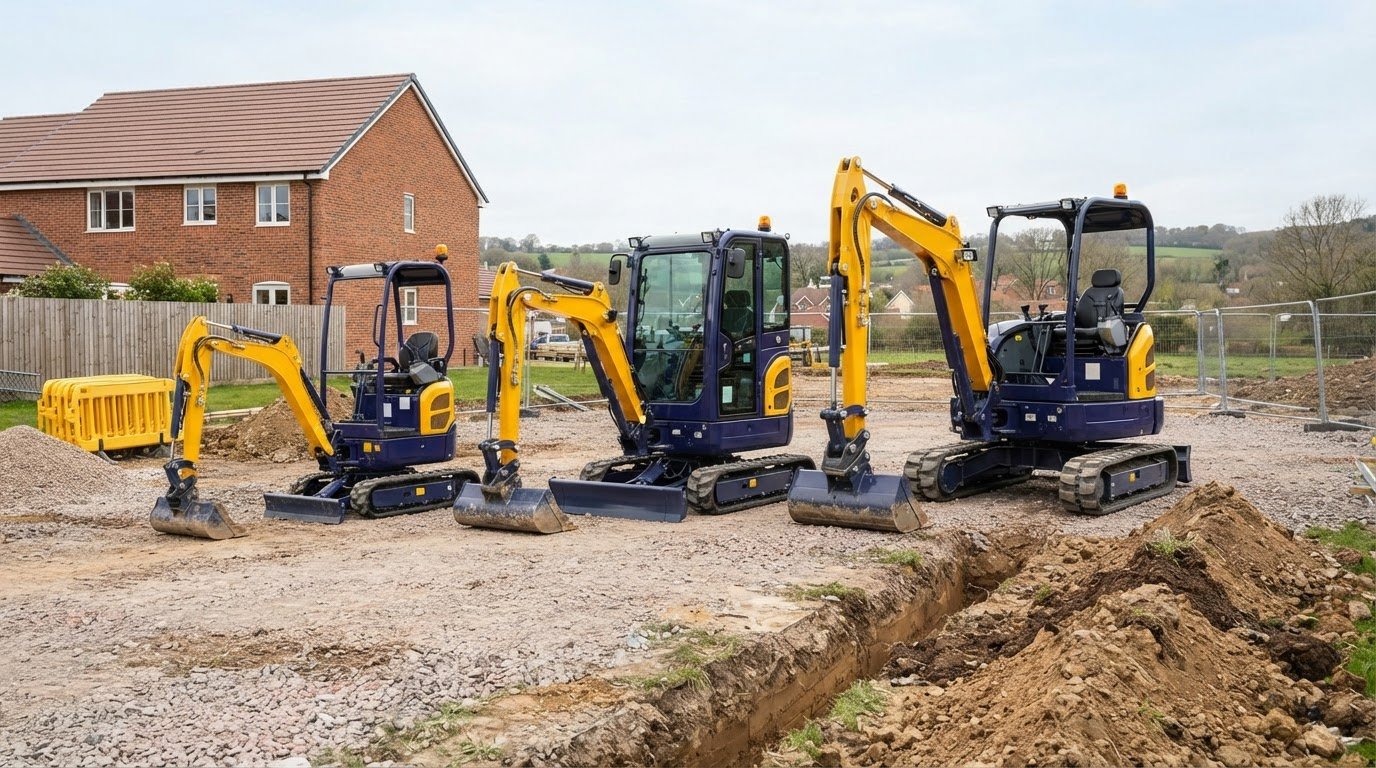
Rocket Rentals Ltd offers Mini Digger Hire for groundworks such as trenching, preparing foundations and shaping site levels. A mini digger is suited to digging, while a telehandler is designed to lift and place loads. If your project needs excavation alongside material handling, plan each machine around its separate task and working area.
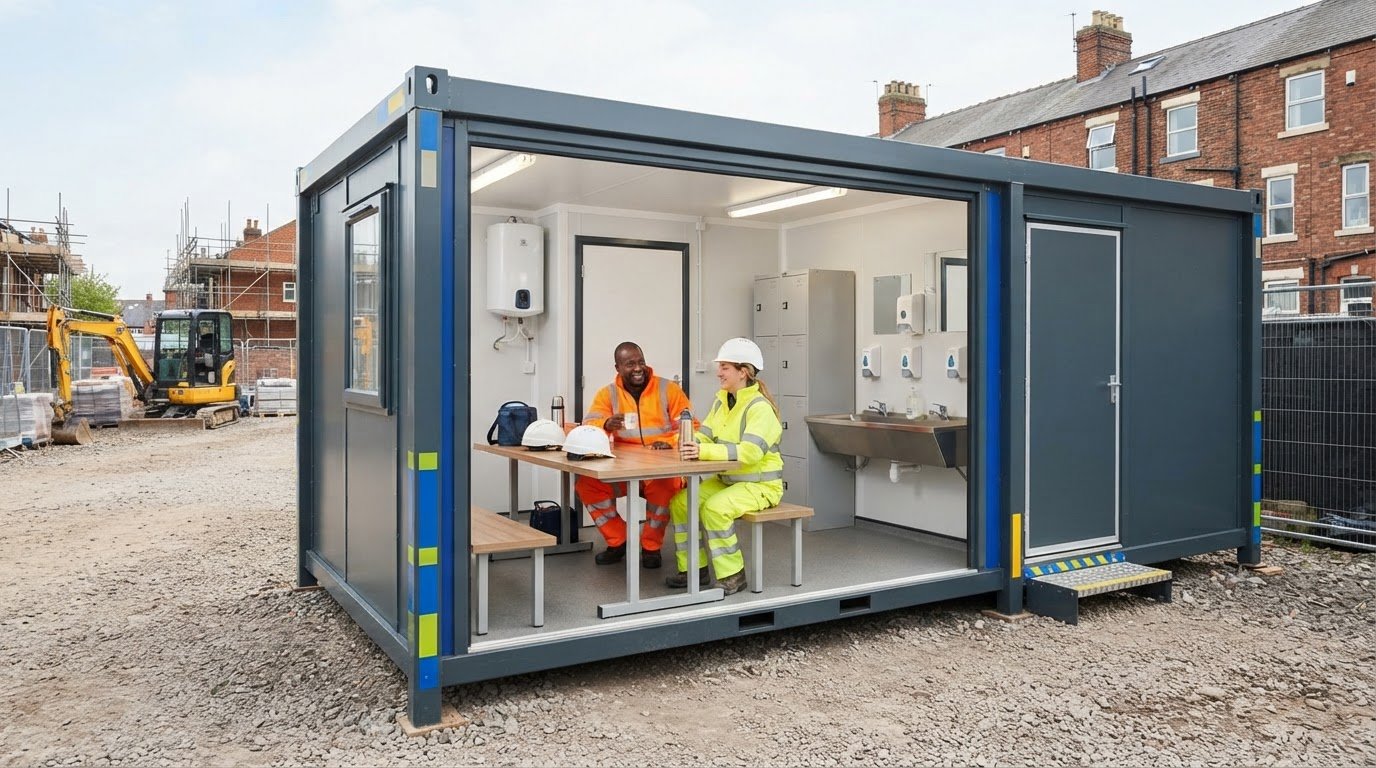
Rocket Rentals Ltd also offers Excavator hire, Roller Hire and Welfare Unit Hire for construction and site requirements. Choose equipment according to the work, access and ground conditions. For excavation, identify the digging area and material to be moved; for compaction, consider where the roller needs to work.
For plant hire to support your project, contact Rocket Rentals Ltd or visit rocketrentals.co.uk.
Plan your next site move with confidence
Before booking, turn your work plan into a clear equipment brief. Note what needs lifting, where it must go, the access route and any space restrictions. This gives you a practical basis for discussing rough terrain telehandler hire and keeps the equipment choice tied to the job.
Consider how the lift fits into the wider programme. Identify when the area will be ready, where materials can be unloaded and how the machine will move around other site activity. Sharing these details helps you plan the next steps and avoid surprises.
Rocket Rentals Ltd can help with equipment for your wider project, including Mini Digger Hire, Excavator hire and Roller Hire. Contact Rocket Rentals Ltd about telehandler hire to discuss your requirements and move your project planning forward.
Frequently Asked Questions
What is a telehandler?
A telehandler is a materials-handling machine used to move and position loads on a worksite. Its telescopic boom gives it a different role from an excavator, which is designed for digging. For example, an excavator may prepare a trench before a telehandler moves materials needed for the next stage.
How Can You Obtain Detailed Specifications for Each Telehandler Model?
Consult the manufacturer’s documentation for the specific model and ensure it matches the machine supplied for the job. Record the model and serial details from its identification plate, then refer to the relevant manual for operating information and machine limits. Keep the documentation accessible to those responsible for planning and carrying out the work.
What is the main advantage of hiring a rough terrain forklift over a standard one for a construction site?
A rough-terrain forklift is intended for outdoor material handling where surfaces may be unfinished. A standard forklift is generally better suited to smoother, more controlled surfaces. Consider the route from the unloading point to the work area before selecting equipment. The key is whether the machine suits the conditions and movements required on that site.
What types of telehandlers do you offer for hire?
Rocket Rentals Ltd offers Telehandler Hire for professional projects. The hire is self-drive, so arranging the machine and establishing operator competence are separate matters. Identify who will operate the equipment and make sure responsibilities are clear before planning the work. This keeps the machinery and the people involved organised as distinct parts of the job.
Which industries require a telehandler platform?
No industry automatically requires a telehandler platform; the need depends on the work being done at height. Construction, agriculture and industrial sites may each have tasks requiring access equipment, such as maintenance or installation. If workers need a dedicated raised platform, Rocket Rentals Ltd also offers Scissor Lift Hire. Choose equipment for the task, not the industry name alone.
Why hire a telescopic handler?
Hiring a telescopic handler gives you access to a machine for a defined project without long-term ownership. This can suit a temporary construction phase or a seasonal agricultural task, and avoids keeping specialist equipment on site between jobs. Consider how the hire period fits your work programme and whether regular use would justify ownership instead. For businesses weighing up a purchase, examining the new vs used forklift total cost of ownership can help clarify long-term operating expenses and maintenance overheads.

Comments