
2.5 Tonne Mini Digger Hire Cost: The Professional’s 2026 Pricing Guide
Why does the initial quote for plant hire so rarely match the final invoice? It's a frustration shared by contractors and site managers across the country who find that the advertised 2.5 ton mini digger hire cost for self-drive equipment is often just a starting point. You've likely experienced the sting of unexpected transport fees or vague insurance requirements that turn a well-planned budget into a moving target.
We understand that being a safe pair of hands means providing transparency, not just high-quality machinery. In this 2026 pricing guide, you'll discover a comprehensive breakdown of what you're actually paying for, from refuelling policies to site-specific delivery charges. We'll examine how to avoid common financial pitfalls whilst ensuring your machine arrives on time and fully maintained. We also compare the 2.5-tonne model against smaller alternatives to help you maximise your output. By the end of this guide, you'll have a clear line-item budget and the confidence to choose the right equipment for your project's specific demands.
Table of Contents
Why the 2.5-Tonne Mini Digger is the Industry Standard for Mid-Sized Projects
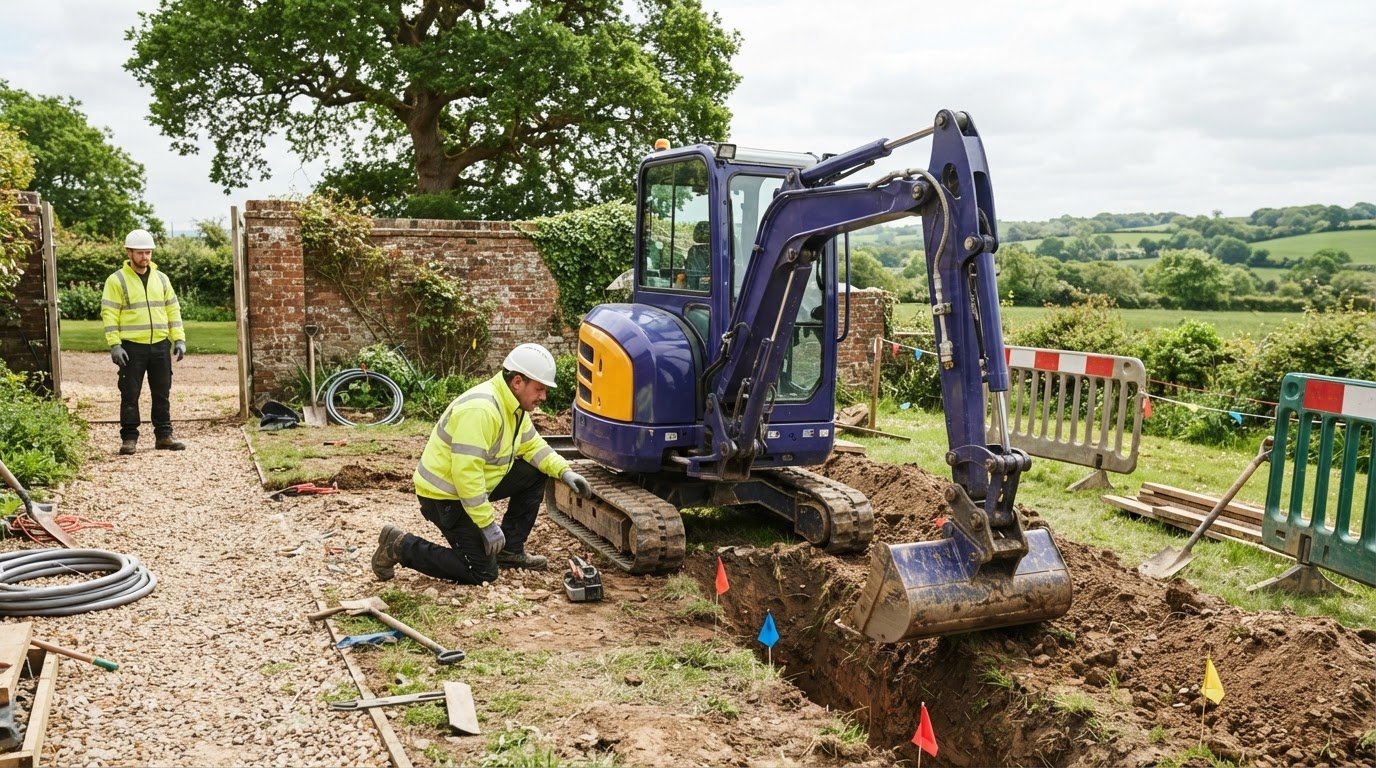
The 2.5-tonne mini excavator serves as the critical bridge in the plant hire world. It sits perfectly between the compact micro diggers used for domestic garden access and the heavier 5-tonne machines that dominate large-scale civil works. For professional contractors, this weight class represents the industry standard for mid-sized projects because it combines high-performance hydraulics with a footprint that remains manageable on restricted sites.
When calculating your potential 2.5 ton mini digger hire cost, it's vital to consider the productivity gains this machine offers over a standard 1.5-tonne unit. The superior breakout force allows for faster excavation through compacted clay or rocky subsoil, whilst the extended reach reduces the number of times an operator needs to reposition the tracks. This efficiency is particularly evident in groundworks for footings, drainage installations, and complex landscaping projects where precision and power must coexist.
Transportability is another key factor in its popularity. A 2.5-tonne Crawler excavator can typically be transported on a standard 3.5-tonne plant trailer behind a suitable commercial vehicle. This avoids the need for HGV logistics, keeping your 2.5 ton mini digger hire cost lower than that of larger machinery whilst providing significantly more utility than a micro digger.
Breaking Down the Performance Advantages
The digging depth and lifting capacity of a 2.5-tonne machine are transformative for a site's workflow. These units often provide an additional 500mm to 800mm of depth compared to smaller models, which is often the difference between reaching a service line or falling short. Many modern machines in this class also feature zero-tail swing. This design allows the upper body to rotate within the width of the tracks, protecting nearby structures and the machine itself from accidental damage during operation.
Additionally, the hydraulic flow rates are designed to handle specialised plant attachments more effectively. Whether you are using hydraulic breakers, augers, or sorting grapples, the 2.5-tonne chassis provides the stability required to operate these tools at peak performance without compromising safety or machine longevity.
When to Scale Up: 2.5-Tonne vs. Larger Excavators
Choosing the right size involves assessing site access constraints whilst prioritising bucket capacity. While a 5-tonne machine moves more earth per cycle, it often requires wider access paths that aren't available on residential or urban sites. In many scenarios, using one 2.5-tonne machine is more cost-efficient than hiring two smaller ones, as it reduces operator costs and site congestion. The 2.5-tonne class represents the optimal balance of power and footprint for 2026 groundworks.
Breaking Down 2.5-Tonne Mini Digger Hire Rates and Pricing Structures
Pricing for plant hire isn't just a single figure on a sheet; it's a structure designed to reflect the logistical effort of getting a machine to your site and keeping it operational. In 2026, market demand remains high, influenced by broader economic trends. Whilst local factors vary, global indicators like U.S. construction spending data often signal shifts in equipment manufacturing and availability that eventually ripple through the UK hire market. Understanding how these rates are calculated is the first step toward effective project management.
You'll often find that the first day of hire is the most expensive. This isn't an arbitrary choice. It covers the essential administration, safety inspections, and pre-delivery maintenance that ensure the machine arrives in peak condition. When you calculate the total 2.5 ton mini digger hire cost, these initial overheads are spread across the duration of the project. For this reason, the weekly rate has become the standard benchmark for professional budgeting, offering a more stable price point for groundworks and drainage phases.
Daily vs. Weekly Hire: Which Offers Better Value?
Project timelines dictate the most cost-effective hire duration, but the "3-day rule" is a reliable industry benchmark. If your project requires a machine for three days or more, a full weekly hire usually becomes more economical than paying consecutive daily rates. This is because hire companies can better manage their fleet turnover with longer bookings, passing those savings on to the contractor.
Weekend hire is a popular option for shorter tasks, but it often carries a premium due to the reduced window for delivery and collection. To secure the best 2026 rates, booking in advance is essential. Last-minute bookings during peak summer months can lead to higher costs or, worse, the unavailability of the specific 2.5-tonne model you need for your site's narrow access points.
Professional Account Benefits and Volume Discounts
Professional contractors who manage multiple sites or long-term developments often benefit from establishing trade accounts. These agreements frequently offer volume discounts or fixed-term rates that significantly lower the per-unit 2.5 ton mini digger hire cost across a fleet. Opting for self-drive "Dry Hire" remains the preferred route for most professionals, as it allows for total control over the site schedule and budget without the variable expense of an operator.
Repeat business builds a level of trust that often leads to more flexible terms on multi-machine hires, such as combining a digger with a dumper or roller. For those looking to streamline their procurement and ensure they have a "safe pair of hands" on-site, establishing a reliable plant hire partnership is the most effective way to maintain predictable costs whilst accessing a modern, meticulously maintained fleet.
Beyond the Daily Rate: Navigating Transport, Fuel, and Insurance Costs
Whilst the daily rate is the most visible figure, the total 2.5 ton mini digger hire cost depends heavily on logistics and protection. Global demand for plant is driven by large-scale projects like those funded by the Infrastructure Investment and Jobs Act, which keeps the supply chain tight and makes efficient planning essential. Budgeting for the base hire fee without considering the "all-in" cost often leads to project overruns that could have been avoided with a more thorough initial assessment.
Most professional hire companies operate a 'Full-to-Full' fuel policy. The machine arrives with a full tank of white diesel; if it returns partially empty, you'll face refuelling charges that often include a premium over pump prices. Similarly, returning a machine excessively covered in dried concrete or heavy mud can trigger cleaning fees, typically around £60 per hour. A few minutes with a pressure washer at the end of the hire can protect your budget and maintain the high standard of care expected for modern plant.
Logistics and Delivery: Planning for National Coverage
Site access and distance from the depot are primary variables in transport pricing. Delivering a 2.5-tonne excavator amongst other plant, such as rollers or dumpers, requires careful coordination. If your site is located in a remote area or has restricted access for a low-loader, these factors will influence the final delivery and collection fee. To prevent 'dead time' on the first morning, schedule your delivery for the afternoon prior or a guaranteed early slot. This ensures your operators aren't standing idle whilst waiting for the machine to arrive, which is a hidden cost that can quickly dwarf the transport fee itself.
Insurance and Risk Management
Hired-In Plant Insurance is a contractual necessity for any professional site. It protects the hirer against the total loss of the machine through theft or major site accidents. Whilst some contractors have annual policies, others rely on short-term waivers for specific projects. It's important to distinguish between standard accidental damage and total loss coverage, as the latter is often what hire companies require to protect the value of a modern 2.5-tonne unit. The Accidental Loss Damage Waiver typically costs around 15% of the hire proportion. This provides a "safe pair of hands" approach, ensuring that minor site damage doesn't lead to significant out-of-pocket expenses or disputes upon the machine's return.

Maximising Your Hire Budget: Site Preparation and Efficiency Strategies
Efficient site management is the most effective way to control your total 2.5 ton mini digger hire cost. Whilst the base rate is fixed, the duration of the hire is entirely within your control. A machine sitting idle due to poor planning is essentially wasted capital. Conducting a thorough site survey before the equipment arrives ensures that ground conditions are suitable and that all underground services are clearly marked. This prevents the kind of costly downtime that occurs when an operator has to stop work to wait for instructions or utility maps. Professional contractors often find that a well-prepared site can reduce the required hire period by as much as a full day.
Organising your mini excavator hire alongside your required attachments is another vital strategy for budget maximisation. If you need a hydraulic breaker or an auger for a specific phase, ensure they are delivered simultaneously with the machine. This avoids paying for two separate transport movements and ensures your team can move seamlessly from excavation to demolition without waiting for a second delivery vehicle to arrive. It's about creating a continuous workflow where the machine is always adding value to the project.
Coordinating Plant and Personnel
Matching the machine's output with the right support plant is essential for maintaining site momentum and justifying your 2.5 ton mini digger hire cost. For a 2.5-tonne excavator, pairing it with a 2 or 3-tonne dumper ensures that spoil removal keeps pace with digging. If the dumper is too small, the excavator spends half its time waiting; if it's too large, it may struggle with the same narrow access paths the 2.5-tonne machine was chosen for. Reducing idling time is equally important for your budget. Modern engines are efficient, but leaving a machine running whilst waiting for a dumper to return wastes fuel and increases unnecessary engine wear. A clear dig-plan, shared with the whole team before the tracks hit the ground, prevents re-work and ensures every bucket of earth is moved only once.
Maintenance and Daily Checks
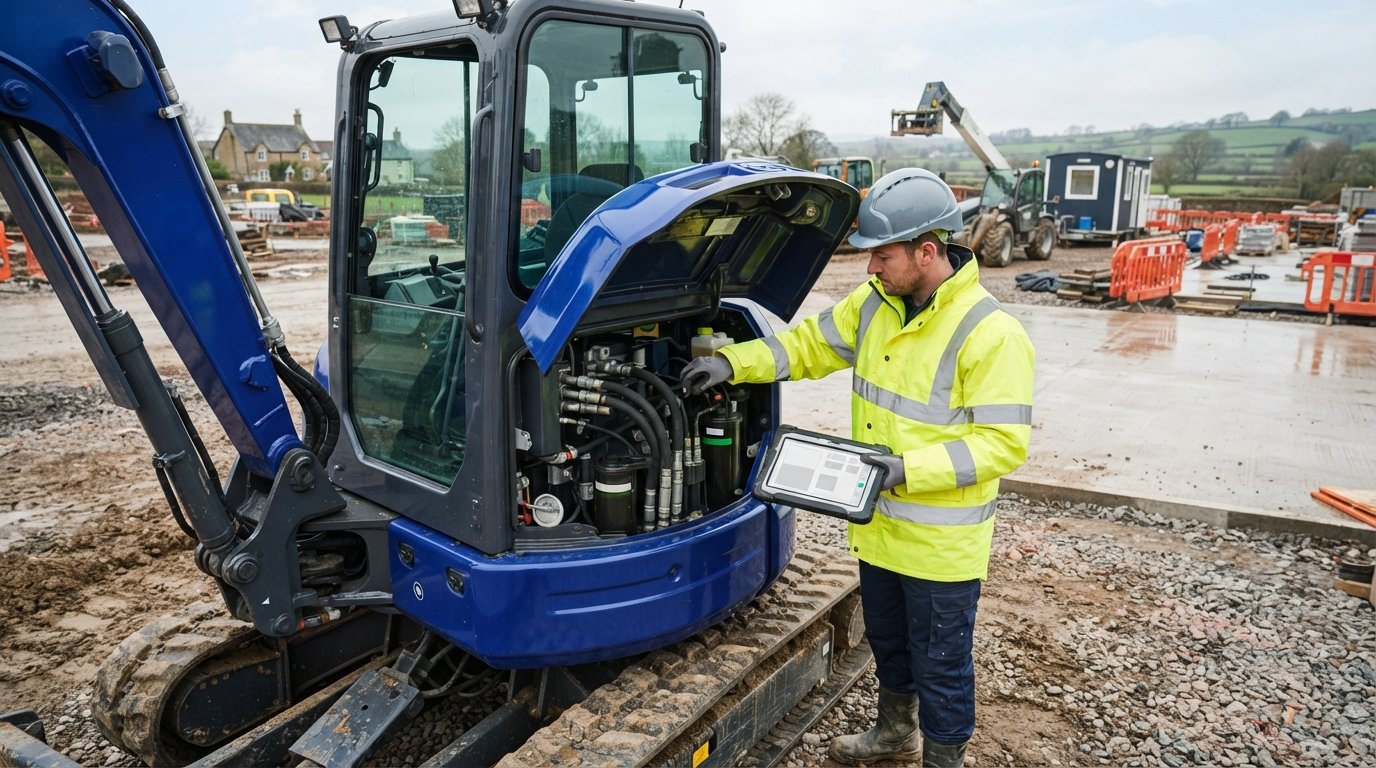
Professional operators know that five minutes of maintenance every morning can save hours of frustration later. Simple daily checks of grease points and oil levels prevent the mechanical wear that leads to expensive breakdown charges. If you notice a minor hydraulic leak or a worn tooth on a bucket, report it to the hire centre immediately. This proactive approach allows for repairs to be scheduled before a total failure occurs, keeping the project on track.
Security is the final piece of the budget puzzle. Protecting the machine from site theft or vandalism is paramount to preserving your deposit and avoiding insurance claims. Always ensure the machine is parked in a secure, well-lit area at the end of the shift and that all anti-theft devices are engaged. If you're ready to start your next project with a modern, reliable fleet, contact our team to discuss your requirements.
Sourcing Reliable Self-Drive Plant Hire with Rocket Rentals
Selecting a plant hire partner is about more than just finding the lowest headline figure. It's about ensuring that the equipment arriving on your site is modern, safe, and ready for immediate work. Rocket Rentals has operated as an independent specialist since 1988, building a reputation as a "safe pair of hands" for the construction and industrial sectors. We understand that a competitive 2.5 ton mini digger hire cost is only valuable if it's backed by a meticulously maintained fleet and a team that understands the technical demands of professional groundworks.
Our commitment to national self-drive coverage ensures that contractors have access to high-quality machinery regardless of the project's scale. By focusing on a modern fleet, we reduce the risk of mechanical downtime, ensuring your project remains on schedule. This reliability is the foundation of the long-term relationships we value with our clients, providing the peace of mind that comes from working with a seasoned industry veteran.
The Rocket Rentals Advantage
Our service is built exclusively for professional contractors. Unlike general hire shops that cater to the domestic DIY market, we focus on the high-performance machinery required for commercial site environments. This professional focus means our fleet is composed of the latest models, featuring the advanced hydraulics and safety systems that modern site managers demand. You won't find domestic tools here; instead, you'll find a dedicated partner for your heavy plant requirements.
When you consult with our team, you receive expert advice on selecting the most efficient excavator hire for your specific site constraints. We don't believe in a one-size-fits-all approach. Whether you need a 2.5-tonne machine for its zero-tail swing capabilities or require tailored attachments to enhance utility, we provide a structured solution. Our approach to pricing is equally transparent. We provide a clear breakdown of the 2.5 ton mini digger hire cost from the outset, ensuring there are no hidden surprises regarding transport or insurance waivers when the final invoice arrives.
Next Steps for Your Project
Finalising your 2026 site schedule requires a partner who can guarantee availability and logistical precision. Opening a professional hire account with Rocket Rentals streamlines this process, allowing for faster bookings and more flexible management of your plant requirements across multiple sites. This is particularly beneficial for projects with shifting timelines where you may need to scale your fleet up or down at short notice.
We encourage you to speak with our specialists early in the planning phase. By discussing your machine availability and attachment options ahead of time, you can ensure that your 2.5-tonne digger arrives with exactly the right buckets, breakers, or augers needed for the task. This proactive coordination is the final step in ensuring your project remains productive and within budget. Our commitment to modern efficiency and safety makes us the dependable choice for your next phase of groundworks.
Securing Your Project's Financial and Operational Success
Choosing the right plant is a balance of power, precision, and logistical efficiency. As we've explored, the 2.5-tonne excavator remains the industry standard for groundworks because it offers the performance required for deep footings whilst remaining easy to transport. Understanding your total 2.5 ton mini digger hire cost involves looking beyond the daily rate to account for fuel policies, transport logistics, and robust insurance coverage. By prioritising site preparation and coordinating your attachments, you can significantly reduce downtime and maximise your project's productivity.
Since 1988, Rocket Rentals has served as an independent UK specialist for professional contractors who value reliability above all else. Our modern, high-spec fleet is meticulously maintained to ensure your project stays on programme without mechanical interruption. When you partner with a "safe pair of hands," you gain more than just machinery; you gain the expert support needed for complex site demands. To ensure your next phase of work is supported by the best in self-drive equipment, request a professional quote for 2.5 tonne digger hire today. We look forward to helping you achieve a seamless and efficient build.
Frequently Asked Questions
How much does it cost to hire a 2.5-tonne mini digger for a week in the UK?
The total 2.5 ton mini digger hire cost for a week is determined by several factors, including the machine’s age, technical specifications, and current market demand. Most professional hire companies offer a weekly rate that provides better value than consecutive daily charges. You should also consider that the base hire fee is only one part of the budget; transport logistics, insurance waivers, and any required attachments will influence the final invoice.
Do I need a special licence for self-drive 2.5-tonne mini digger hire?
You don't legally require a specific driving licence to operate a mini digger on private land or a domestic project. However, if you're working on a commercial or industrial construction site, operators must typically hold a valid CPCS or NPORS competency card. It's essential to ensure that any individual operating the machinery is fully trained and competent to maintain site safety and prevent accidental damage to the equipment.
Is fuel included in the 2.5-tonne mini digger hire cost?
Fuel is not usually included in the base 2.5 ton mini digger hire cost. Most machines are supplied with a full tank of white diesel on a "full-to-full" basis. This means you're responsible for the fuel you consume whilst the machine is on your site. If the excavator is returned without being refilled, the hire company will apply a refuelling charge, which often includes a premium over standard pump prices for the convenience.
What is the difference between a 1.5-tonne and a 2.5-tonne digger hire price?
A 2.5-tonne digger typically commands a higher hire price than a 1.5-tonne model due to its significantly greater breakout force, reach, and lifting capacity. Whilst the initial outlay is higher, the 2.5-tonne machine often proves more cost-effective for mid-sized projects because it completes excavation tasks faster. This increased efficiency can reduce the overall hire duration, potentially lowering your total project costs compared to using a smaller, less powerful machine.
Can I hire a 2.5-tonne mini digger for just one day?
Yes, one-day hire is available, though it's often the least economical way to source plant. The administrative and logistical costs of preparing and delivering the machine are the same whether it's on site for one day or five. Consequently, the daily rate is usually higher than the pro-rata cost of a weekly hire. For most professional groundworks, a minimum of a two-day or weekend hire provides a more balanced budget for your project.
What happens if the hired mini digger is damaged on site?
If a machine is damaged, the hirer is generally liable for the costs of repair or replacement under the standard hire terms. This is why Hired-In Plant Insurance or an Accidental Loss Damage Waiver is essential. These protections cover you against major site accidents or theft. Minor damage, such as broken glass or light clusters, is often handled separately. Always report any site incidents to the hire centre immediately to manage the resolution process.
Are there additional costs for excavator attachments like breakers?
Yes, excavator attachments such as hydraulic breakers, augers, or specialised buckets are typically charged as separate line items. These tools are high-maintenance items that experience significant wear during operation. To maximise your budget, it's best to coordinate the delivery of these attachments with the machine itself. This avoids multiple transport charges and ensures your operators have the right tools available as soon as the excavation phase begins.
How much should I budget for delivery and collection of plant machinery?
Budgeting for delivery and collection depends on the distance between the depot and your site, as well as the ease of access for a plant trailer. Transporting a 2.5-tonne machine requires specific logistics compared to smaller micro diggers. You should expect a flat fee for delivery and another for collection. Providing clear site directions and ensuring the access point is clear for a low-loader can help avoid additional "waiting time" charges from the transport driver.
Comments