
Best Diggers for Foundation Work: A Professional Guide
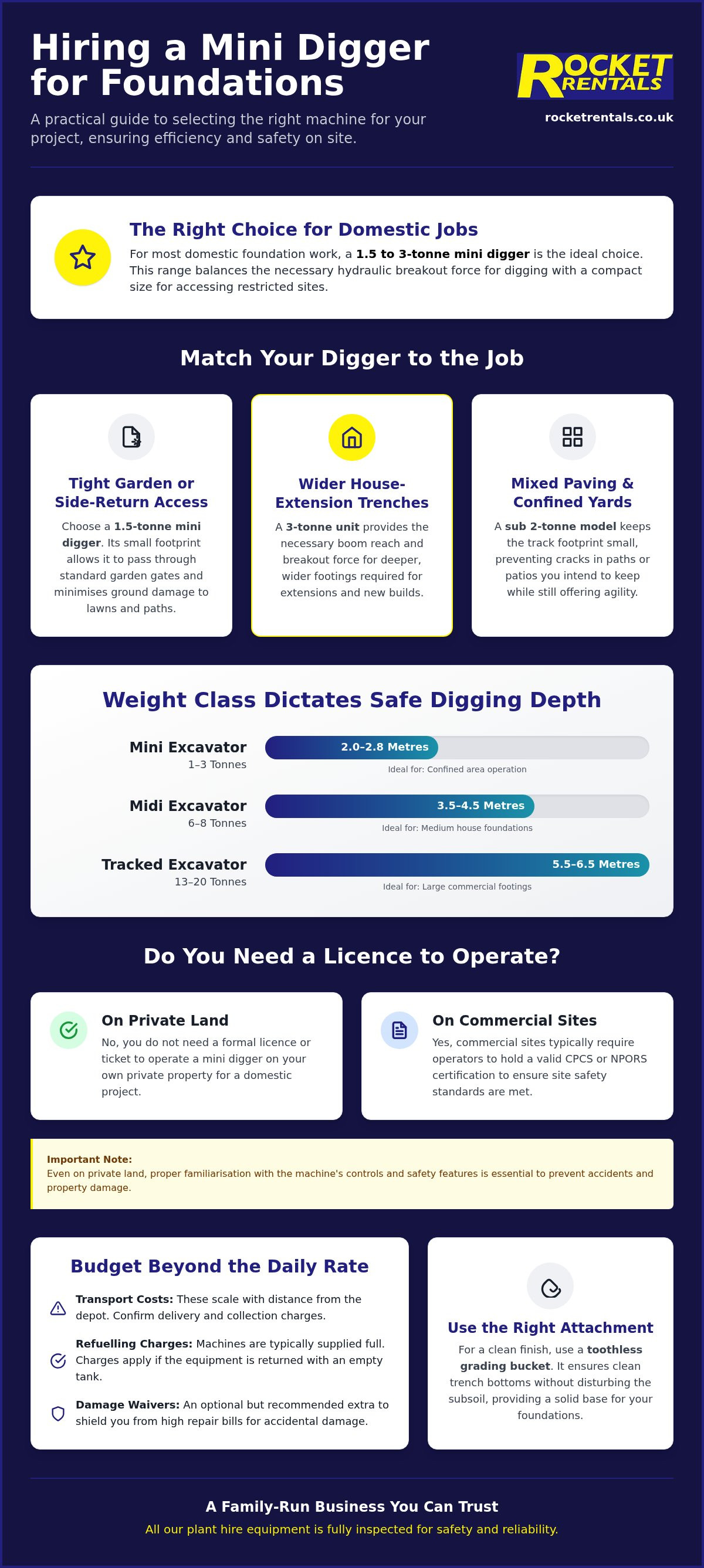
Choosing the right mini digger (mini excavator) for foundation work turns on two decisions: how tight your site access is, and how deep the trenches must go. For domestic footings, 1.5-tonne to 3-tonne models usually strike the right balance, giving enough hydraulic breakout force without costly over-excavation. You can rely on our family-run business to supply well-maintained machinery for your project.
Key Takeaways: For domestic foundation work, a 1.5-tonne to 3-tonne mini digger is best, balancing necessary hydraulic breakout force with the ability to access tight sites.
Select a 1.5-tonne model for garden gate access or a 3-tonne unit for deeper trenches.
Except when digging deeper than 2.8 metres, where mini diggers lack sufficient reach and stability.
Use a toothless grading bucket to ensure clean trench bottoms without disturbing the subsoil.
You do not need a formal licence to operate a digger on private property.
Table of contents
Match Your Foundation Digger to the Job in Front of You
Before you book, map the machine to the job you actually have. Three patterns come up again and again:
Tight garden or side-return access: a 1.5-tonne mini digger limits ground damage and passes standard garden gates.
Wider house-extension trenches: a 3-tonne unit brings the boom reach and breakout force those footings need.
Confined backyard with mixed paving: a sub-two-tonne model keeps the track footprint small so you do not crack paths you mean to keep.
Matching machine weight to footings depth keeps digging safe and efficient. On domestic sites, clients who pick a 1.5-tonne machine avoid tearing up lawns they still need after the pour is done. A smaller footprint navigates standard garden gates without temporary demolition of boundary walls.
For a small domestic job (confined area operation), compact machinery gives you the agility to turn inside the plot. You can arrange plant hire from Rocket Rentals Ltd, a trusted family-run business, with machines inspected so they arrive ready to dig. A mini digger cuts clean trench lines and leaves surrounding lawns intact when the weight class fits the plot.
Need a steer on weight class for your plot? Speak to the team and we will talk through access and depth before you book.
Weight Class Sets Your Safe Digging Depth
Pick the weight class first and the trench depth follows with far fewer surprises. Reach and stability scale with machine mass, so undersizing the plant is how projects stall halfway down the footing.
Match capacity to your site and you reduce the risk of ground collapse at the trench wall. Compact units suit a small domestic job; deeper footings need larger boom reach. Choose undersized plant hire and you face slow progress, repeated repositioning, and delays while you wait for a bigger machine.
Before work starts, secure the perimeter with security fencing so the public stays clear of the open trench. Sites across the Gloucester service area (about 80 km) are covered by our family-run delivery. Ask the yard for availability on the weight class your depth table points to.
Balance Hydraulic Power Against Track Footprint
Hydraulic breakout force and track width pull in opposite directions on a foundation dig, and you need both set correctly. Heavy clay foundations call for higher hydraulic output; narrow residential access caps how wide the tracks can be.
Choose the smallest footprint that still delivers the breakout force your soil needs. Oversized tracks compact sensitive soil and leave ruts you then have to make good. On soft clay, a wider footprint spreads the load and lowers ground pressure, yet that same spread can reduce how cleanly the bucket bites when you are cutting deep, narrow trenches.
Finishing the plot often means timber formwork around the footings; tools from the woodworking range cover that surrounding work. Rocket Rentals Ltd, operating from Gloucester as a family business, supplies professional plant hire across the local service radius. Phone the team when you want a practical read on force versus width for your ground.
Will I need a licence to operate the digger?
You do not need a licence to operate a mini digger on private land.
Hirers on the workshop floor often mix up site tickets with legal driving licences. Private property projects need no formal ticket; commercial sites usually ask for CPCS or NPORS certification. Training still matters: untrained operation puts people and property at risk, so treat familiarisation as part of the hire, not an optional extra. Self-drive machinery cuts labour costs and leaves you in control of the programme on a domestic plot.
If you are running a small domestic job, our family-run business delivers inspected machinery to your site. You can book equipment hire for projects across the region and arrange digger hire (plant hire) once access and certification needs are clear. More on this: Access & Tool Hire.
Budget Beyond the Daily Rate: Transport and Covers
Transport tariffs and damage waivers are where digger hire totals climb if you only compare the headline day rate. From hire-yard work, site access issues turn a simple drop-off into a longer logistical job, so build those variables into the budget early.
Base quotes often leave out the extras that appear on the final invoice. Transport cost scales with distance from the depot. Refuelling charges apply if the machine comes back empty. Optional damage waivers shield you from repair bills and add a modest percentage to the total.
Read the full hire terms before you confirm the booking. For a line-by-line view of delivery and insurance options, request a direct quote from the family-run team.
"Hired a chipper from Rocket Rentals. Competitive price. Really well looked after by Declan at the office. Machine in great working order. Collected promptly on hire finish by friendly driver. What’s not to like😀"
Among Rocket Rentals Ltd’s Google reviews, that five-star note reflects the same point the yard works to: clear communication and prompt collection keep the hire total transparent from booking to off-hire.
Selecting Attachments for Clean Footing Trenches
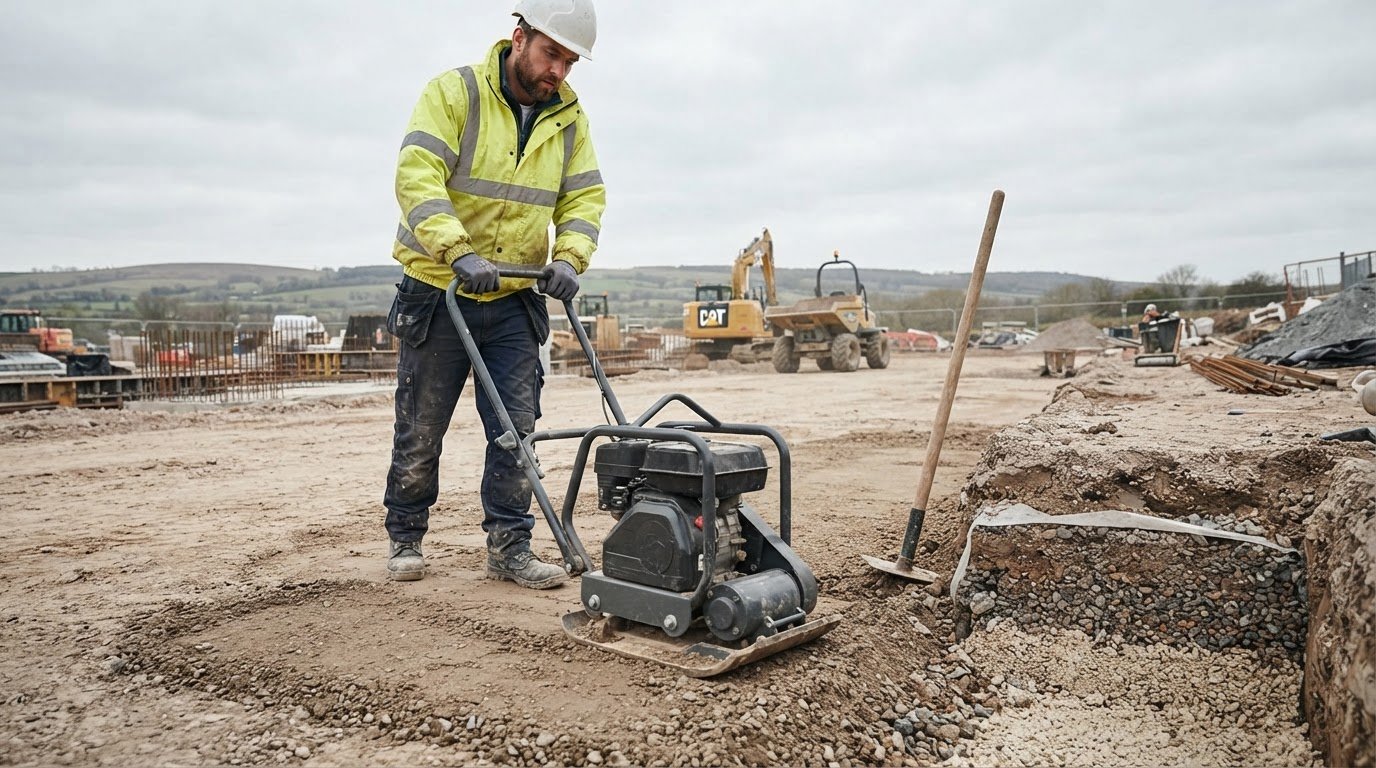
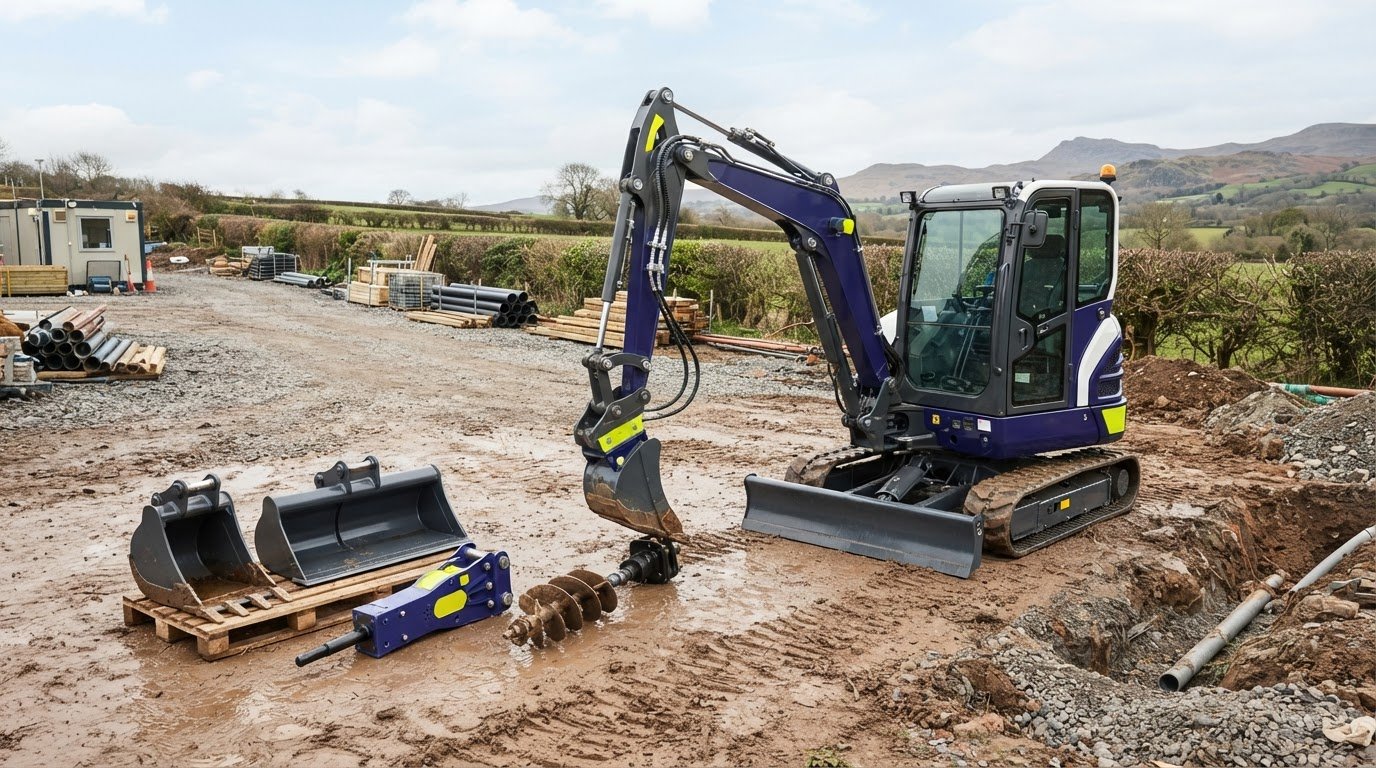
A standard bucket moves bulk earth; footing trenches need cleaner edges and flatter bases. A toothless grading bucket leaves a smooth trench bottom without chewing up the subsoil. A narrow trenching bucket cuts spoil volume, which shortens loading time and trims disposal cost. In narrow channels, a trench rammer (a compaction tool) firms loose earth so the foundation sits on stable ground.
Match bucket width to the footing specification and you avoid hauling away soil you never needed to dig, then paying for extra concrete to fill the overspill. That single measurement step turns hired plant into a controlled foundation tool rather than a bulk earthmover.
Our family-run business supplies inspected gear across Gloucester and the surrounding service radius. Tell the team your footing width and depth and they will pair the carrier with the right attachments.
How to Prepare Your Site for Digger Arrival
Most arrival delays start at the gate, not on the low-loader. Clear access routes and marked services are what let the operator offload and start digging on the first visit.
Clear access routes: Remove overhead branches, vehicles and debris along the drive path.
Mark underground utilities: Identify pipes and cables clearly to protect site workers.
Assess ground stability: Check for soft mud or steep slopes before offloading.
Secure the workspace: Keep children and pets away from active machinery areas.
Treat the run-in as you would a fixed unloading bay: firm, open, and free of surprises. Skip a step on a small domestic job and you pay for standing time while the crew reshuffles cars, branches, or unmarked services. Our family-run business supports safe projects across Gloucester; contact Rocket Rentals Ltd when the access list above is done and you are ready to book delivery.
Managing Noise and Emissions on Urban Digs
Urban foundation work sits under tighter neighbour and council expectations on sound and exhaust. Electric and modern Stage V mini diggers (mini excavators) help you hold those levels down without slowing the dig.
Pick the machine for the setting you are in. Electric models suit sensitive indoor or enclosed areas; modern diesel options cover open outdoor trenches where runtime and breakout force matter more. Clean, well-maintained plant hire (digger hire) makes it easier to stay inside local environmental guidance and avoid stoppages raised by complaints.
As a family-run business, Gloucester based Rocket Rentals Ltd sends checked machines across an 80 km service radius. Call when you want help matching a low-impact unit to an urban plot.
When Mini Diggers Fail to Suit Deep Digs
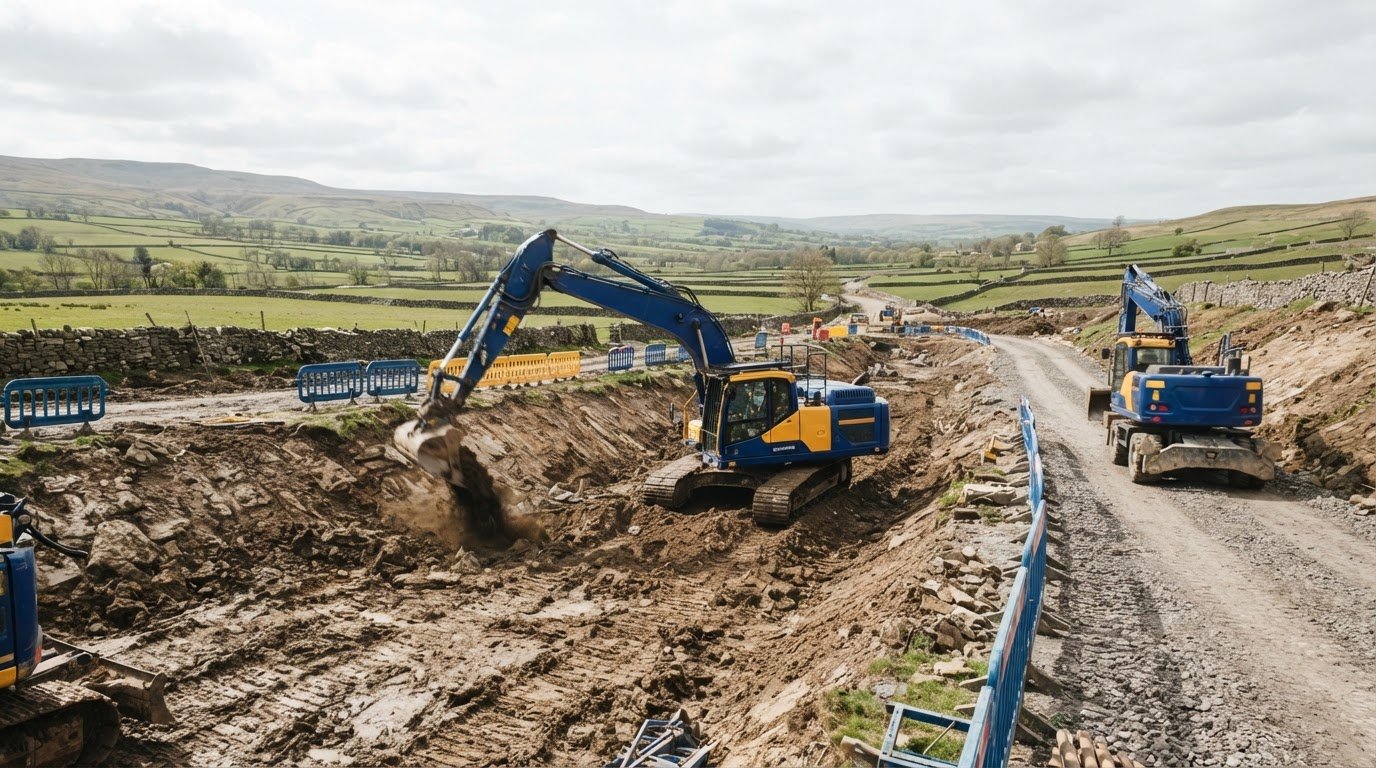
Compact machines hit a hard stop when trench depth, soil weight, or structural loads need heavy-duty capacity. From on-site experience, a mini digger lacks the hydraulic force and reach for foundations deeper than three metres. Lighter tracked models also risk instability at the edge of a steep excavation. Standard digger hire is the wrong path if soft ground needs driven piles rather than open trenching.
Move up to a 13-tonne tracked machine when you need proper breakout force and faster trench clearing at those depths. As a family-run business based in Gloucester, Rocket Rentals Ltd can supply verified equipment to your site. Speak to the team before you dig past the mini range so the plant matches the foundation load, not the other way round.
Frequently asked questions
Which digger is best for foundation work?
A 3-ton mini digger balances digging depth, breakout force and stability for trenching foundations at a steady pace.
What size digger is suitable for a small domestic job?
A 1-ton micro digger suits a small domestic job because it tracks through standard garden gates and narrow side passages.
What are the differences between 1‑ton and 3‑ton mini diggers?
A 1-ton model features retractable tracks for tight access, whereas a 3-ton machine offers greater reach, heavier bucket capacity and faster trench excavation.
Will I need a license to operate the digger?
You do not need a formal driving licence to operate a self-drive machine on private property or domestic building sites across the UK.
Why hire a mini excavator instead of buying?
Digger hire avoids a large upfront outlay, removes ongoing maintenance cost, and puts modern, inspected machinery on your site for the days you need it. Rocket Rentals Ltd supplies equipment across an 80 km radius, with advice from our family-run business.
Choosing the right digger for foundation work in 2026
The same two questions you started with still close the decision: can the machine reach the trench depth on the drawing, and can it get onto the plot without damaging access routes? A compact mini digger keeps ground disruption down while holding a workable trenching speed when weight class and attachments line up with those answers.
Matching track width to site access is what stops paving damage and last-minute machine swaps. Smaller models pass tight garden gates; deeper or wider footings step you into the next weight class before the first bucketful.
Every unit is inspected before delivery so you take a reliable machine onto the job. You can view the worktop jig and the wider plant range online, then ask the Rocket Rentals Ltd advisers for a quote built around your access, depth and programme.
Comments