
Construction Plant Hire Planning: How to Avoid Costly Site Delays
Updated: Sep 29
Securing construction machinery means lining up equipment lead times with project milestones and regional approval trends. Direct planning prevents costly downtime and keeps UK sites compliant with safety standards. The decisions that matter most are which plant fits your ground, when you book it, how you move it on site, and whether direct hire or a packaged approach protects your budget.
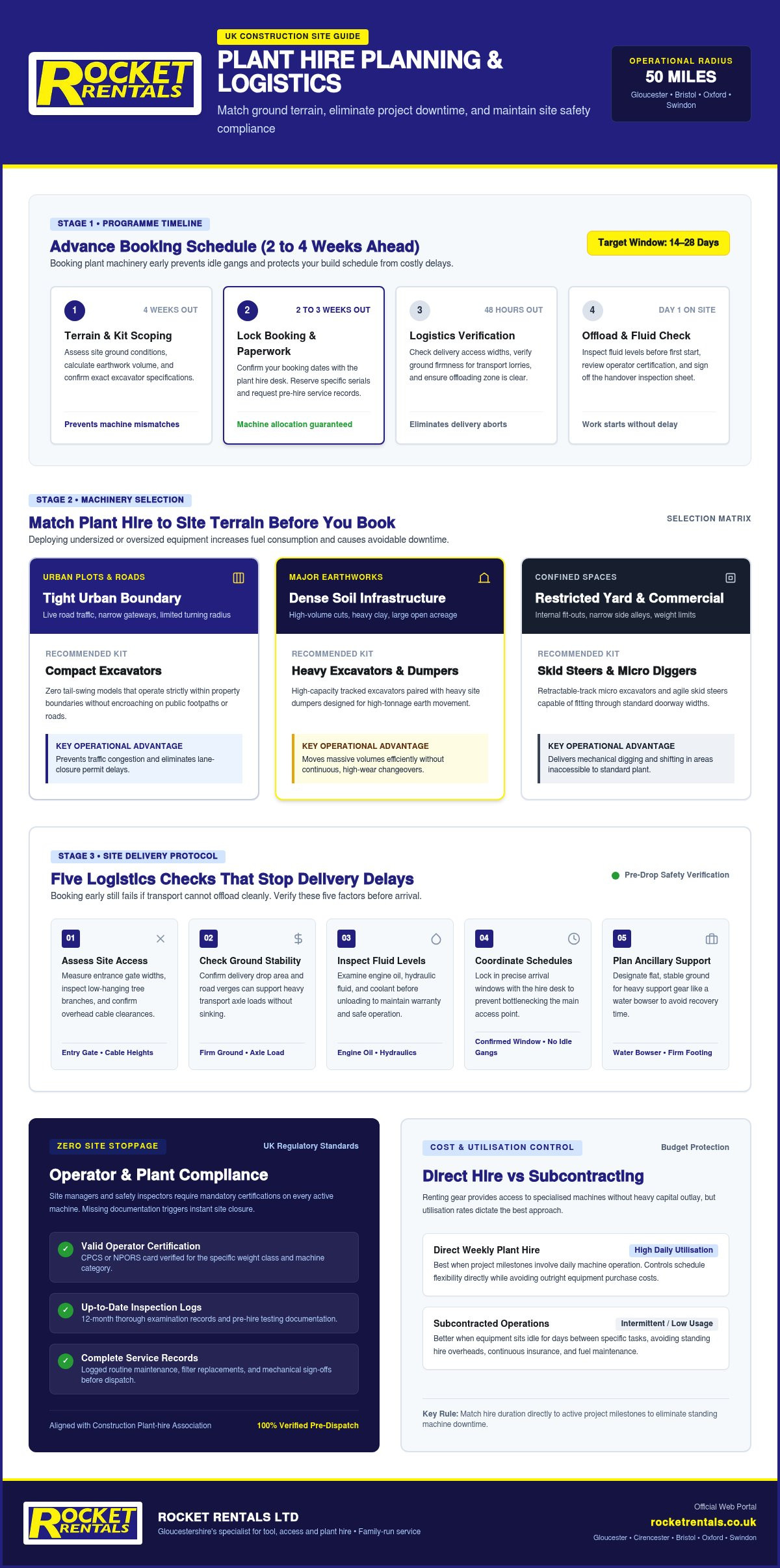
Key Takeaways: Effective construction plant hire planning requires securing machinery two to four weeks in advance while matching specific equipment specifications to site terrain and access constraints.
Secure your equipment 2 to 4 weeks before the project start date to ensure availability.
Except when low usage makes subcontracting more cost-effective than managing direct hire overheads and maintenance.
Best-for urban sites to use compact excavators that prevent blocking traffic and boundary overspill.
The article's checklist confirms you must verify CPCS or NPORS certifications to avoid work stoppages.
Table of contents
Match Plant Hire to Terrain Before You Book
Wrong kit on the wrong ground is one of the fastest ways to burn hire days and fuel. Before you open a brochure, map three common situations to a clear choice from the kit that actually suits the job:
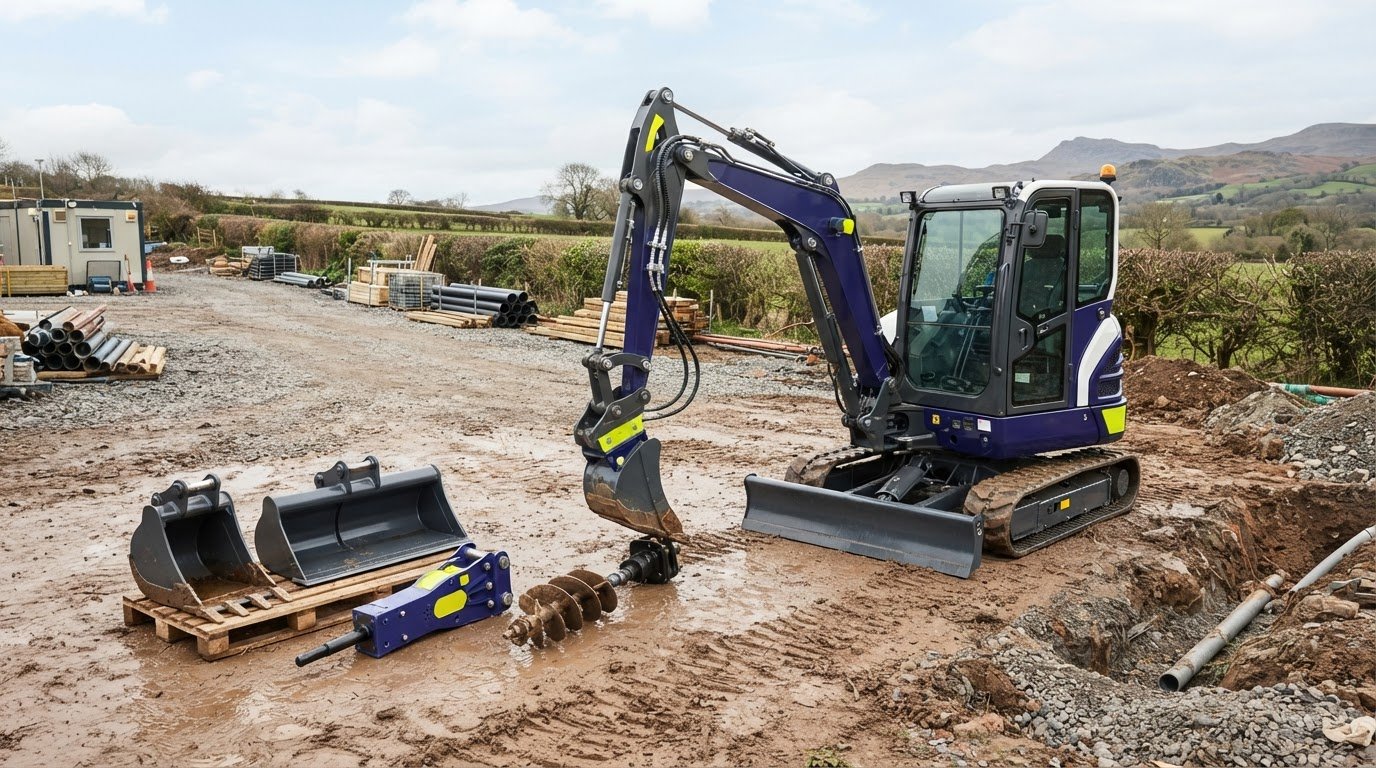
Tight urban plot with live traffic: choose compact excavators so you work inside the boundary without blocking the road.
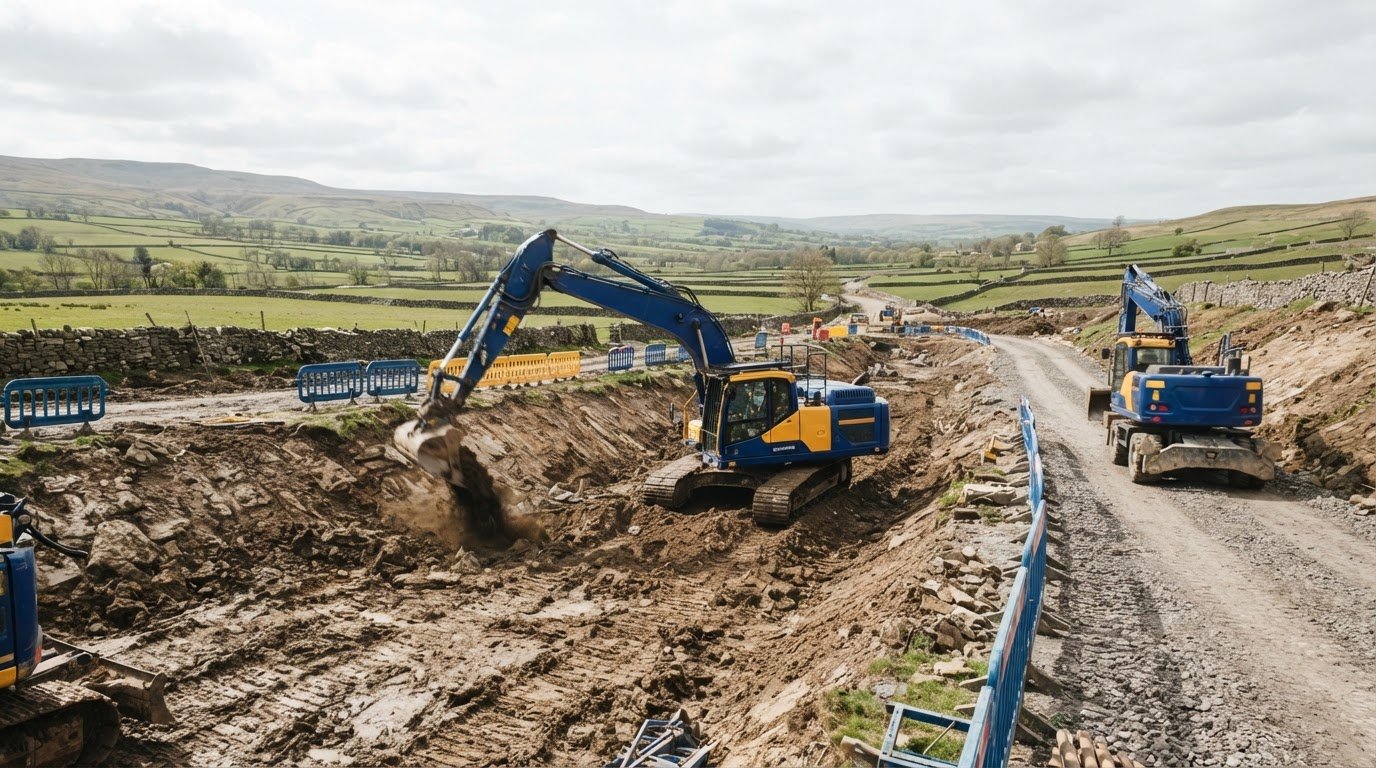
Large infrastructure cut in dense soil: specify heavy excavators and dumpers that can move high volumes without constant changeovers.
Small commercial fit-out or restricted yard: use skid steers and micro excavators for agile work in limited space.
With clients we see light equipment put on heavy ground work, and the result is delay, excess wear, and higher running cost. Matching machinery to ground space is the single control that raises performance and lowers fuel use. Renting construction gear also lets you reach specialised machines without a heavy capital outlay.
Prior to dispatch, every machine undergoes detailed inspection so it arrives fit for site. We operate as a family-run business with clear rental terms across our service area. If you need help with booking plant machinery, speak to the team for reliable access, tool, and plant hire that keeps your site operational.
Tip: Match excavator size to ground conditions before booking to cut rental overheads.
Book Plant Machinery Two to Four Weeks Ahead
You should secure your equipment two to four weeks before your project start date so the exact excavators or dumpers you need are still free.
Early booking plant machinery (plant hire planning) is what stops idle gangs waiting on a late machine. From client work, that window is the difference between a clean start and a paid delay. Align arrivals with Construction Plant-hire Association regulatory updates so compliance downtime (the period when equipment is unavailable for work due to maintenance or failure) does not appear mid-programme.
You can browse hire brochures to check specifications before you lock dates. Rocket Rentals Ltd provides plant rental across a 50-mile radius, including Oxford and Swindon, as a local family-run business, and each piece of equipment receives a strict safety check before delivery. Confirm your booking dates with the hire desk once your programme is fixed.
Five Logistics Checks That Stop Delivery Delays
Heavy plant only helps if it can reach the plot, unload safely, and start work on the hour you planned. Booking plant machinery early still fails when access was never measured.
Assess site access: Measure entrance widths and check overhead cable clearances.
Inspect fluid levels: Check engine oil, hydraulic fluid, and coolant before unloading.
Check ground stability: Ensure the delivery area can support heavy axle loads.
Coordinate delivery schedules: Confirm precise arrival times with your supplier to prevent traffic congestion.
What few people think of: checking access routes for low-hanging branches and soft road verges before the transport lorry arrives. A mobile water tank (water bowser) needs a flat, firm unloading zone; skip that and you lose the first hire day to recovery rather than work.
For local projects, contact the hire team so transport is arranged from a family-run yard operating within a 50-mile radius. Direct drop at the work area saves double handling and keeps the programme tight.
Tip: Verify access widths and ground stability prior to heavy machinery delivery to prevent site access failure.
One Google review shows how delivery should land on site. A hirer needed a petrol aerator, raised the query, booked, and took delivery in one clean run:
"I recently hired a petrol aerator and the experience from my initial query, booking and delivery was superb. Cameron is a great ambassador for the company and delivered excellent customer service, thank you"
(cidermonstered, 5★)
That path (clear query, confirmed booking, checked delivery) is the logistics standard you want on every machine, not only light kit.
Keep Hire Compliant So Work Is Not Stopped
Site safety rules expect valid operator certifications, up-to-date inspection logs, and complete service records on every active machine. Miss one document and the stoppage costs more than the hire day you thought you saved.
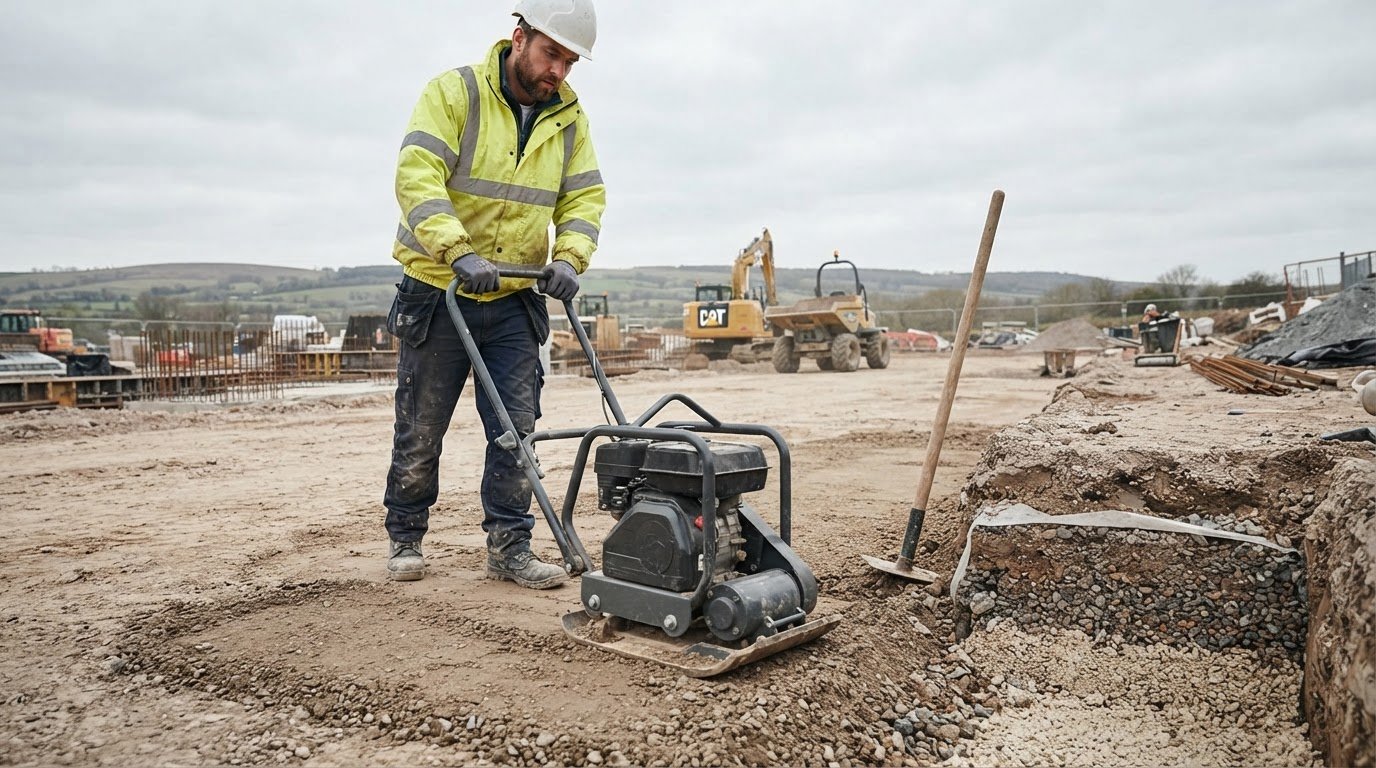
In the maintenance workshop, engineers check every machine before it leaves the yard. Pre-hire testing cuts breakdown risk; asking for full paperwork up front keeps booking plant machinery inside the law.
OPERATOR & PLANT COMPLIANCE CHECKLIST ┌─────────────────────────────────────────────────┐ │ [✓] Valid CPCS / NPORS Operator Certification │ │ [✓] Up-to-Date Inspection Logs (12-Month Check) │ │ [✓] Complete Maintenance & Service Records │ └─────────────────────────────────────────────────┘
Operators need recognised credentials for the models they run, with formal plant-operator training so heavy kit is handled safely on busy jobsites. A machine without verified maintenance history is a safety hazard; breaches lead to work stoppages. Every unit must carry a valid inspection certificate showing that qualified engineers have tested structural components and safety systems. Fluid levels should be checked daily in routine maintenance.
A reliable provider supplies fully serviced, compliant equipment to the plot. Our family-run business delivers that kit direct to your location. For certified plant hire, speak to the team and lock in inspected machinery for the next phase.
When Direct Plant Hire Costs More Than It Saves
Direct plant hire creates unnecessary overhead when low usage costs more in management effort than handing the package to a subcontractor.
Technicians see managed sites pay full rental rates while machines sit idle. Direct hire fits long projects with dedicated operators; subcontracting fits short, complex tasks that need specialised labour. With direct hire you check fluid levels, verify safety records, and arrange routine maintenance yourself. On small jobs, organising access hire, a mobile water tank, or compact gear such as a trench rammer or combihammer (a versatile hammer that can drill and chisel) pulls attention off the build. If managing plant logistics alongside general trades proves impractical, you can learn more about Roger Hughes + co to see how an established building contractor oversees complete project delivery and site coordination.
If a machine fails, the programme stalls while you chase filter replacements or an urgent site inspection. As a local family-run business, Rocket Rentals Ltd supplies plant hire across Gloucester with flexible weekly terms, detailed service records, and support within a 50-mile radius. Call through your machinery list when you want that load taken off the site team.
Frequently asked questions
How does a drop in approvals affect plant hire companies?
A drop in site approvals usually reduces machinery demand across the UK, so suppliers adjust fleet sizes. In that market you should secure essential machines early so your site still has kit when others are scrambling.
How do I plan my project timeline around plant hire availability?
Assess the site schedule early and reserve specialised units well before the start date. Advance booking plant machinery prevents delays and keeps labour productive.
When should I book plant machinery?
Reserve machinery as soon as project dates are confirmed so the right models are held for you. That early hold is how you get inspected equipment matched to the job rather than whatever is left in the yard.
What delivery factors should I consider?
Site access limits, transport distances, and unload times all shape the final programme. Rocket Rentals Ltd, a family-run business within a 50-mile radius of Gloucester, delivers machinery direct to your location so those factors are planned before the lorry rolls.
Do I need operator certificates and inspection logs for hired plant?
Yes. Valid CPCS or NPORS certification, current inspection logs, and full service records are required for active machinery, and you should confirm them before the kit arrives so compliance issues do not stop the job.
Secure your timeline in 2026
Careful booking plant machinery is how you keep the site moving: right kit for the ground, booked two to four weeks out, delivered through checked access, and backed by compliance paperwork. As a local family-run business operating within a 50-mile radius of Gloucester, the team supplies equipment with regular servicing (routine maintenance) and thorough inspection. Every mobile water tank and excavator goes through strict checks aimed at cutting site downtime. Discuss your fleet needs and lock the programme via the contact page.
Comments