
Earthmoving equipment rental for changing project needs
Buying machinery isn’t the only way to meet changing site demands. Renting earthmoving equipment lets you choose machinery for each project stage without purchasing it outright. This earthmoving equipment rental guide explains how to plan your requirements and compare hire terms, machine condition, transport and attachment suitability.
Choosing the right machine involves more than matching it to a task. Site access, ground conditions, machine size and hire duration all affect whether the arrangement works for your programme.
You’ll learn what earthmoving equipment rental involves, how to plan machinery for excavation, material handling and ground preparation, and what to consider when comparing hire terms. A clear plan helps you adapt as work changes and avoid machinery that doesn’t suit the job.
Table of Contents
1. How to choose a machinery rental company in UK?
Choosing a machinery rental company starts with the site and task. Describe excavation depth, soil type, access and material movement before comparing machines. A compact digger may suit a restricted plot, while larger excavation and dumper movements need suitable capacity. The UK Government lists UK earthmoving plant examples including 180- and 360-degree excavators, bulldozers and dumper trucks.
Match machine size to the project scope, not just the available space. A machine that’s too small for heavy digging can be strained or overloaded. Check its weight and height against site access, ground conditions and any restrictions. On soft or uneven soil, tracked excavators can provide better traction than wheeled machines. For tight sites, consider whether compact machinery or loaders can move materials without obstructing other work.
Ask about inspection, routine maintenance and fault reporting. A clear inspection process helps identify visible damage or operating concerns before the machine reaches your site. Compare condition, attachment compatibility, transport arrangements and hire terms, not just advertised features. If your scope changes, understand how to adjust the hire period or equipment.
Self-drive hire suits a project when you have a trained, authorised operator who understands the machine. For commercial projects, CSCS or NPORS certification may be required. Rocket Rentals provides self-drive plant hire, not operated plant hire.
For UK use, operators should be trained and authorised for the machinery; the person legally responsible for hired machinery must be over 18. Licence or card requirements depend on the machine and site, while insurance responsibilities should be clear in the hire agreement.
Before each shift, inspect the machine for visible issues, check fluid levels and follow the manufacturer’s instructions. Wear suitable safety gear, keep people clear of moving machinery and use a designated spotter when visibility is limited. These checks help ensure the equipment suits the task and is used carefully.
2. What Is Earthmoving Equipment Rental?
Earthmoving equipment rental gives you temporary use of machinery for a defined task or period. Instead of buying a machine, you arrange its use through a hire agreement. For example, a contractor can schedule an excavator for groundworks and return it when that stage is complete.
UK hire options include excavators, bulldozers and dumper trucks. An excavator can dig foundations and trenches, a bulldozer can push soil and debris, and a dumper can move materials around a site. The best match depends on your task, ground conditions, access and the machine’s required capacity.
A hire agreement sets practical expectations for using the equipment. Read the start and return dates, delivery arrangements, permitted use and return conditions. If your project dates change, check how the hire period can be adjusted. Keep the agreed schedule with your site plan so the team knows when machinery is due.
Consider who will operate the equipment and what the hire arrangement covers. Self-drive hire places operation with your team, so the assigned operator needs to be familiar with the machine and its instructions. A rental agreement can also explain responsibilities for routine maintenance, reporting faults and arranging repairs during the hire.
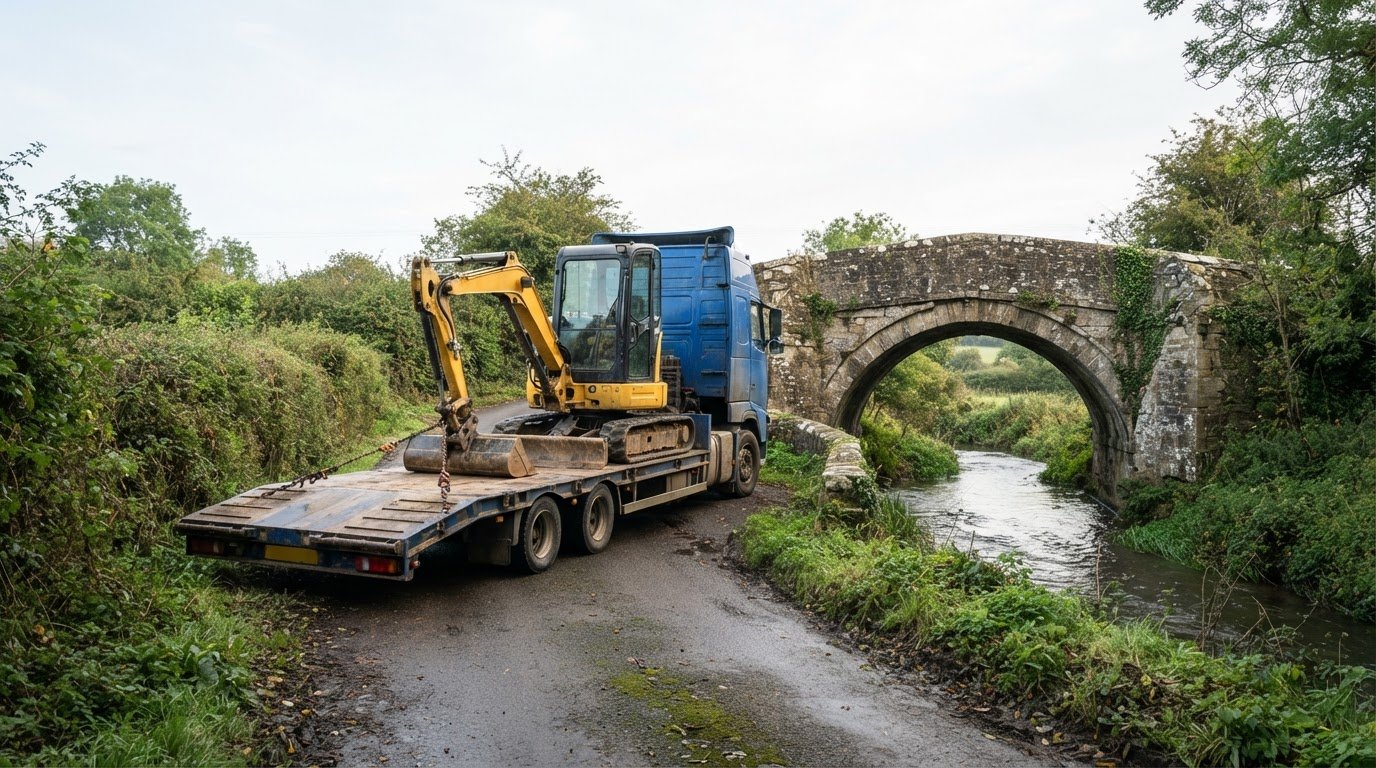
Plan delivery and collection around site access. The delivery vehicle needs a suitable route and unloading area, and the hired machine needs a safe place to work and remain between tasks. For instance, a narrow entrance may limit which excavator can reach a rear garden or enclosed work area.
Before arranging earthmoving machinery hire, outline the task, site access, required attachments and intended hire dates. These details help shape an arrangement that fits the work, whether you need machinery for excavation, moving materials or preparing ground.
3. Assessing equipment needs at each project stage
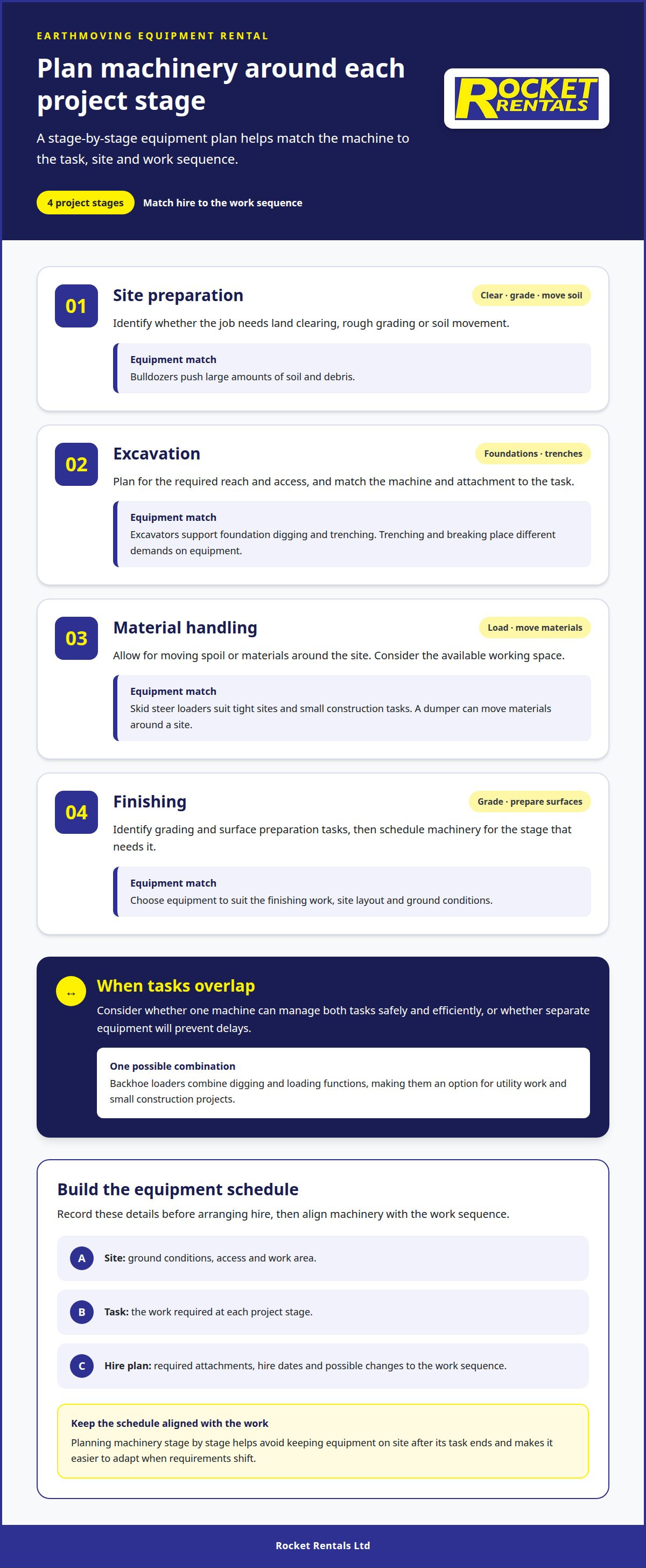
Plan machinery around the work sequence rather than hiring everything at the outset. List each project stage, its tasks and the equipment needed. Foundation digging may require an excavator, while later material movement may call for a dumper. A stage-by-stage plan keeps the hire aligned with changing site demands.
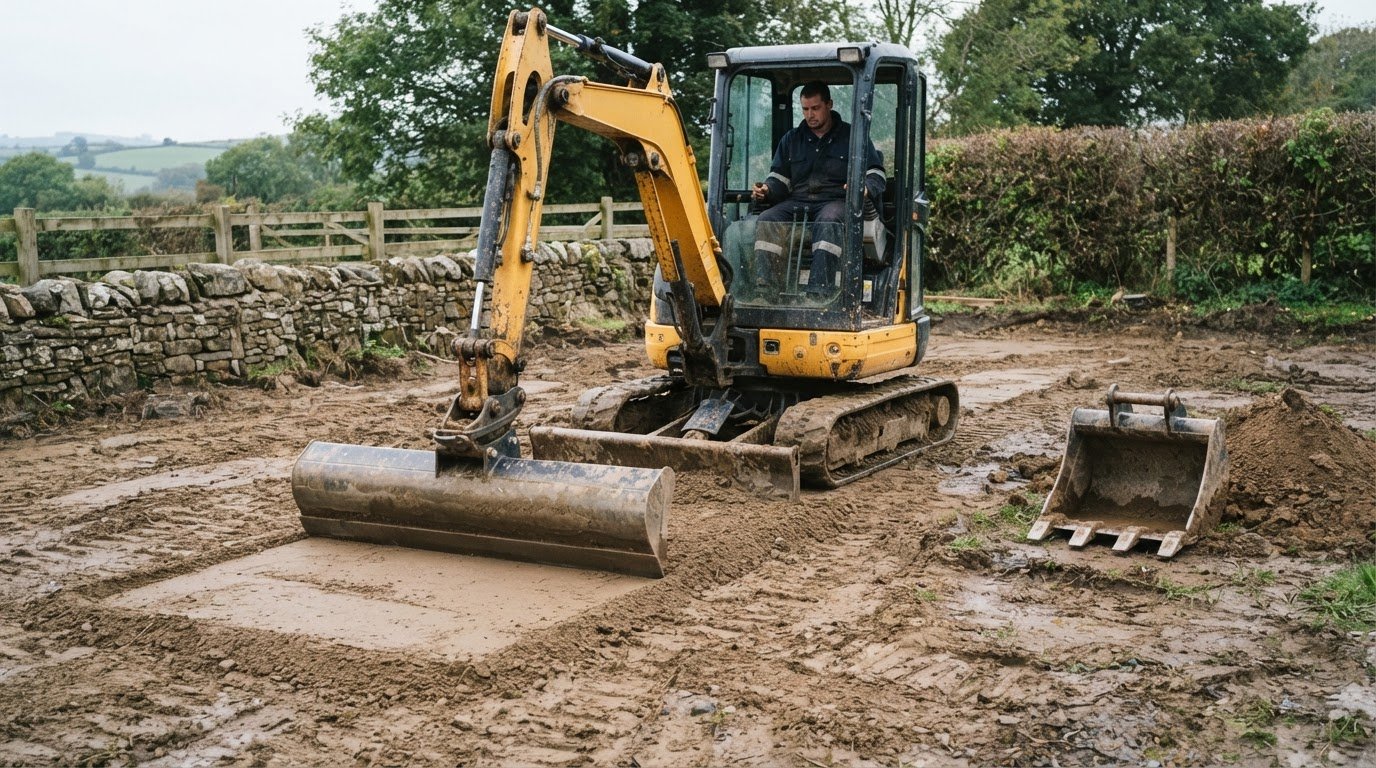
Excavators can support foundation digging, trenching, material handling and demolition. Match the machine and any attachment to the task: trenching and breaking place different demands on equipment. Check the site layout too. A confined work area may call for compact machinery, while open ground can accommodate larger equipment and easier material movement.
Site preparation: identify whether the job needs land clearing, rough grading or soil movement. Bulldozers are used to push large amounts of soil and debris.
Excavation: plan excavators for foundations or trenches, and note the reach and access the work requires.
Material handling: allow for loading and moving spoil or materials. Skid steer loaders suit tight sites and small construction tasks.
Finishing: identify grading and surface preparation tasks, then schedule machinery only for the stage that needs it.
Sequence overlapping tasks carefully. If excavation and material handling happen together, consider whether one machine can manage both safely and efficiently, or whether separate equipment will prevent delays. Backhoe loaders combine digging and loading functions, making them an option for utility work and small construction projects.
Before arranging hire, record ground conditions, site access, the work area and the planned task for each stage. Include attachment needs and allow for changes to the work sequence. This creates a practical equipment schedule, helps avoid keeping machinery on site after its task ends and makes it easier to adapt when requirements shift.
4. Finding and comparing equipment rental deals
Compare hire arrangements using the same project details: machine type, dates, site location, attachments and delivery plan. A digging task may need an excavator with a compatible attachment, while another hire may cover the machine alone. Define the required scope first so differences between offers are clear and relevant.
When comparing plant hire, assess equipment suitability, inspection, delivery and collection, hire period and return conditions. Check that the machine can be supplied for your intended dates, particularly if it must arrive before a fixed project stage. The agreement should record the equipment and dates, as well as how programme changes are handled.
Book small digging equipment 2-4 weeks in advance to help reduce the risk of delays. Short-term hires can cover a few days or weeks, while longer agreements may run from a month to over a year. If equipment is needed for more than 4 weeks, discuss the terms for a longer hire period and how the planned dates fit the project schedule.
Read cancellation terms before confirming a booking. The agreement should explain the notice required, how to notify the rental company and what happens if project dates change. Keep booking details with your programme, including delivery, collection and return dates. Weather or changes to the work sequence can affect when machinery is needed.
A specialised machine may suit one task, but the hire arrangement also needs to fit site access and storage. Consider whether equipment can be kept safely on site between tasks and returned promptly when digging ends. Compare the complete arrangements rather than focusing on one feature, and choose terms that align with your project schedule. Discuss your equipment hire requirements to plan the machinery around the work ahead.
Rocket Rentals
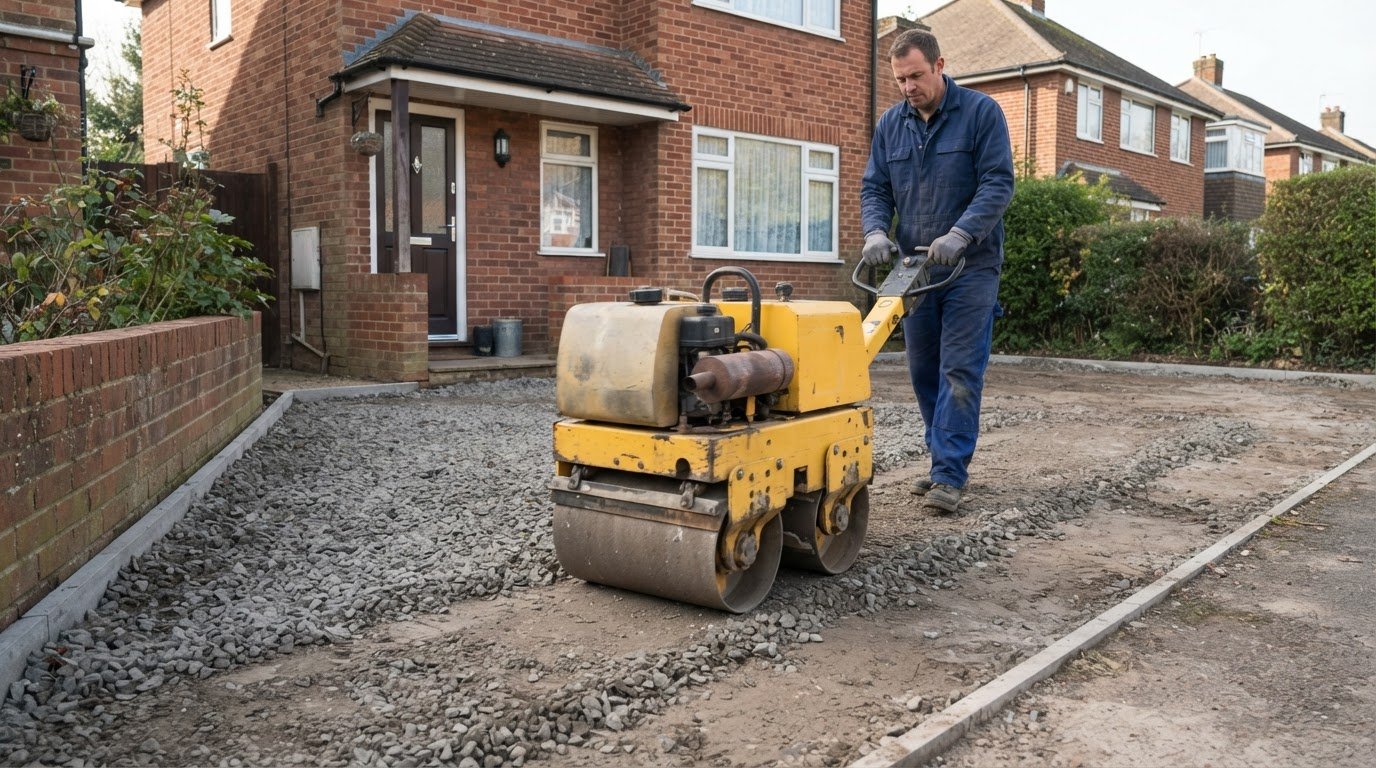
Rocket Rentals Ltd is a nationwide, family-run plant hire business that caters to changing site requirements. Its Mini Digger Hire and excavator hire can support digging work, whilst roller hire suits projects that need ground preparation. Welfare unit hire can also provide site facilities during construction.
As work moves from excavation to ground preparation, plan machinery around each stage and its tasks. Assess equipment condition through inspection, and check that the machine and any attachments suit the work. This helps you make an informed choice that fits your site schedule.
If you are planning an earthmoving project, contact Rocket Rentals Ltd to discuss the equipment you need.
Put your next hire into the project plan
Turn your equipment plan into a working hire schedule. Set out when each task begins, which machine it needs and when that machine can leave site. This makes changes easier to manage if the sequence shifts and gives your team a clear reference as work progresses.
Use this earthmoving equipment rental guide as a starting point, then shape your plan around your site, programme and priorities. Keep the earthmoving equipment rental guide in mind as you refine the schedule, so each hire decision supports the work ahead.
For your next project, take that outline forward and plan your equipment hire with Rocket Rentals. A clear plan can help you approach the work with confidence.
Frequently Asked Questions
What Is Earthmoving Equipment Rental?
Earthmoving equipment rental lets you use machinery for a project without owning it. The hire agreement sets out the machine, hire period and responsibilities. For example, a civil engineering team can hire machinery for a defined phase and return it when that work finishes. This approach helps projects adapt equipment choices as tasks and site requirements change.
Why Rent Construction Equipment?
Hiring suits projects that need machinery for specific tasks rather than continuously. It can also help a contractor take on work requiring equipment they don’t own. For example, a team handling a one-off site preparation job can hire suitable machinery without storing and maintaining it between jobs. By contrast, when ongoing operations justify acquiring plant outright, businesses frequently source construction and mining machinery through general suppliers such as Tosma ZM.
How to choose a machinery rental company in UK?
Choose a plant hire company whose equipment and terms match your project. Consider machine condition, inspection, delivery and collection, attachment options and return expectations. A site with restricted access, for example, needs machinery that can reach the work area. Clear documentation of the agreed machine, dates and responsibilities helps everyone plan.
Who is a small digging machine for?
A small digging machine can suit contractors, tradespeople and project teams working in limited spaces or on smaller excavation tasks. A mini digger may be useful for preparing a garden foundation or digging a service trench where larger machinery cannot manoeuvre easily. Match its capacity to the work, and ensure the assigned operator understands the machine’s controls and instructions.
How much does it cost to rent an excavator, dumper or bulldozer in the UK?
The hire arrangement depends on the machine selected and the project requirements. An excavator, dumper and bulldozer perform different tasks, so first identify the work, equipment size and intended hire period. Delivery arrangements and any attachments can also shape the booking. Give the rental company these details when requesting a quote, so the proposed hire reflects your actual site needs.
What factors affect earthmoving equipment rental prices and delivery charges?
Machine type, size, hire duration, delivery, fuel and insurance can all affect the terms of a hire. Site access and the delivery location also matter when planning transport. Before agreeing, check the booking details for delivery and collection, fuel responsibilities, insurance and return conditions. Verify whether both journeys are included, and remember that VAT, transport, fuel and insurance may be excluded from advertised prices. Extra hire days are charged at two-thirds of the daily rate.
Comments