
Excavator Auger Hire for Fencing and Post Holes
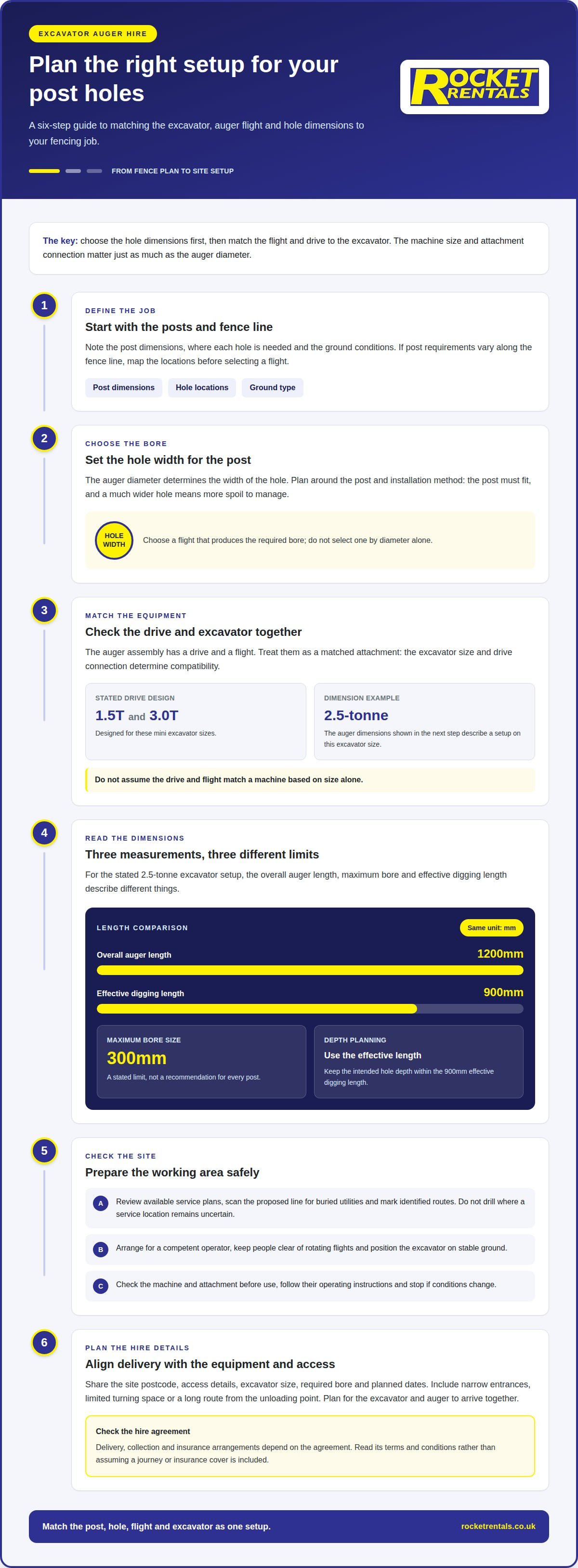
For fencing and post holes, the right excavator auger hire setup pairs an auger drive with a mini excavator; the drive is designed for 1.5T and 3.0T machines. On a 2.5-tonne excavator, the mounted auger is 300mm wide and 1200mm long, with a maximum bore size of 300mm and an effective digging length of 900mm.
Choosing an auger involves more than making a hole in the ground. The excavator and attachment need to suit the job, including the required hole dimensions and ground conditions. For a series of post holes, a suitable setup can make the work more manageable than digging each hole by hand.
This guide explains how an excavator-mounted auger works, what hole dimensions mean for fencing, and what to consider when selecting equipment. It also covers how hire fits into planning, so you can choose a practical setup for the posts and holes your project requires.
Table of Contents
Why Hire an Excavator Auger?
An excavator-mounted auger can make a series of post holes more manageable than digging each one by hand. The key is matching the attachment to the excavator and the job.
Excavator compatibility and sizes
The auger drive is designed for a mini excavator, with stated compatibility for 1.5T and 3.0T excavators or diggers. A 2.5-tonne excavator is also relevant to auger hire, but matching the attachment to the machine remains essential. Tell the hire team the excavator size, the hole dimensions and the fencing task. Those details help identify a suitable combination, rather than choosing an attachment by appearance alone.
Excavators and excavator attachments are available for hire. The setup described here uses an auger drive on a compatible mini excavator. The machine’s size and attachment connection are central to choosing a suitable match.
Hire options and borer comparison
This is self-drive equipment hire, not an operator service. Plan for a competent person to operate the excavator and attachment, and make sure the setup suits your site. A standalone post-hole borer is a separate tool; an excavator-mounted auger uses the excavator as its carrier. For a fence line, consider whether the machine can access the site and has enough room to work around each hole.
The suitable excavator and auger attachment depend on the hire setup. The option described here is an auger drive for a mini excavator. When arranging equipment, share the machine size and intended work so compatibility can be considered together.
Operating requirements and safety
Training and site requirements in the UK depend on the work and workplace. Arrange for an operator with suitable training and competence, and follow the site’s operating procedures. Before drilling, review available service plans and scan the proposed line for buried utilities. Mark identified routes, and do not drill where a service location remains uncertain.
Rotating flights can catch clothing and create hazards for people nearby; buried services and uneven ground also add risks. Keep people clear of the working area, position the excavator on stable ground, and stop if conditions change. Check the machine and attachment before use, and follow their operating instructions throughout the job.
Hire availability and delivery areas
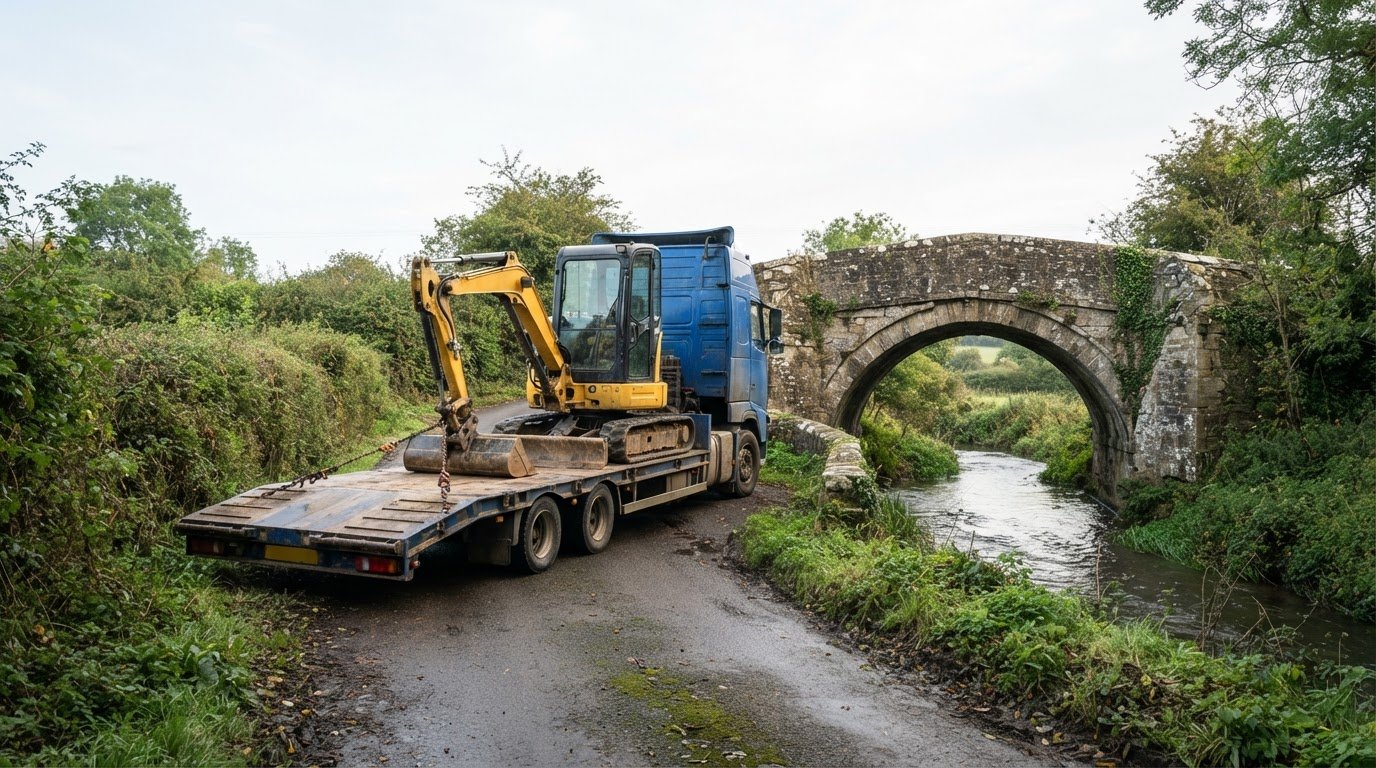
Hire arrangements depend on the equipment and dates required. For a fencing job, plan for the excavator and auger to arrive together, then allow time to position the machine along the post line. Share the site postcode and access details, including narrow entrances, restricted turning space or a long route from the unloading point.
Auger diameter determines the width of each hole, so select it with the post and installation method in mind. The stated maximum bore size for the 2.5-tonne setup is 300mm. That is a limit, not a recommendation for every fence post. Consider the post dimensions and required clearance, then choose a flight suited to the intended bore.
Flight sizes vary between attachments. The flight is the spiral section that cuts and lifts soil as the auger turns. The excavator size and drive connection determine which attachment is compatible, so plan these together. If posts along the fence line have different requirements, map their locations before arranging equipment. This helps establish whether one flight will suit the whole layout.
Do hire arrangements include delivery, collection and insurance? These terms depend on the hire agreement, so do not assume either journey or insurance cover is included. Read the agreement to understand the delivery and collection arrangements, the cover provided and any applicable conditions before the equipment is sent to site.
For a smooth delivery, provide the postcode, access details, excavator size, required bore and planned dates together. For example, explain if the unloading point is beyond a narrow gate or some distance from the fence line. These details help align transport planning with the equipment and site layout, reducing the risk of arrival arrangements disrupting the work.
Auger and flight hire
An auger assembly has a drive and a flight, the spiral section that cuts into soil and lifts spoil. For fencing, the flight needs to suit the required hole diameter and the excavator-mounted drive. Treat the flight and drive as a matched attachment rather than assuming every auger fits every machine.
Dimensions help clarify what a particular setup can do. The excavator-mounted auger described for a 2.5-tonne machine is 1200mm long, with a 300mm maximum bore size and 900mm effective digging length. These measurements describe different limits: overall tool length, maximum hole width and the length that can work into the ground. They are not interchangeable.
A 300mm bore may suit some post installations, but the post itself and the required surrounding space determine the hole width. For example, a post wider than the selected bore cannot fit; a much wider hole means more spoil to manage. Plan the diameter around the post and installation method, then select a flight that produces that bore.
Before arranging an attachment, set out the job details in sequence: identify the post dimensions, decide the required hole diameter, then match the flight to the excavator drive. Include the intended excavator size in that discussion. The stated drive compatibility covers 1.5T and 3.0T excavators or diggers, so avoid treating the flight alone as the compatibility decision.
Ground conditions also affect how the flight works. Loose soil and compacted ground can cut and clear differently, so the operator may need to manage drilling pace and spoil removal. Keep the intended hole depth within the attachment’s effective digging length. For the stated setup, that working length is 900mm, even though the auger measures 1200mm overall.
When planning the hire, describe the fence layout, post dimensions and ground type instead of requesting a flight by diameter alone. This gives equipment selection the essential details: the required hole, the machine carrying the drive and the auger’s working limits.
2.5-Tonne excavator auger hire
A 2.5-tonne excavator auger setup is described with a 300mm-wide, 1200mm-long attachment. Its maximum bore size is 300mm, while its effective digging length is 900mm. These figures describe different limits. The overall length measures the auger, the bore size describes hole width, and effective length indicates the working reach into the ground.
For fence posts, start with the hole required. A 300mm maximum bore does not mean every post needs a 300mm hole. The post dimensions and installation requirements determine the suitable diameter. If your planned post needs a narrower hole, the maximum capacity alone does not establish whether this attachment is the right choice. Match the flight to the task.
The 900mm effective digging length is especially useful when planning post depth. Compare the required hole depth with that working length before setting out the fence line. The 1200mm overall auger length is not the same as the depth it can effectively drill. Treating those measurements separately helps prevent a mismatch between the attachment’s reach and the intended post installation.
Machine compatibility still matters. The stated auger drive is designed for mini excavators, with compatible sizes including 1.5T and 3.0T machines. A 2.5-tonne setup has its own stated dimensions, but these figures alone do not establish compatibility with every excavator. Match the drive, machine and flight as a complete arrangement before planning the work.
For a 2.5-tonne job, set out the post dimensions, required bore width and target depth first. Then compare those requirements with the 300mm maximum bore and 900mm effective digging length. This gives you a clear basis for selecting an attachment. Review excavator and attachment options for your planned setup.
Rocket Rentals
Rocket Rentals Ltd provides plant hire for fencing and post-hole projects. Its excavator hire and excavator attachments are relevant when matching a machine and attachment to your site’s requirements.
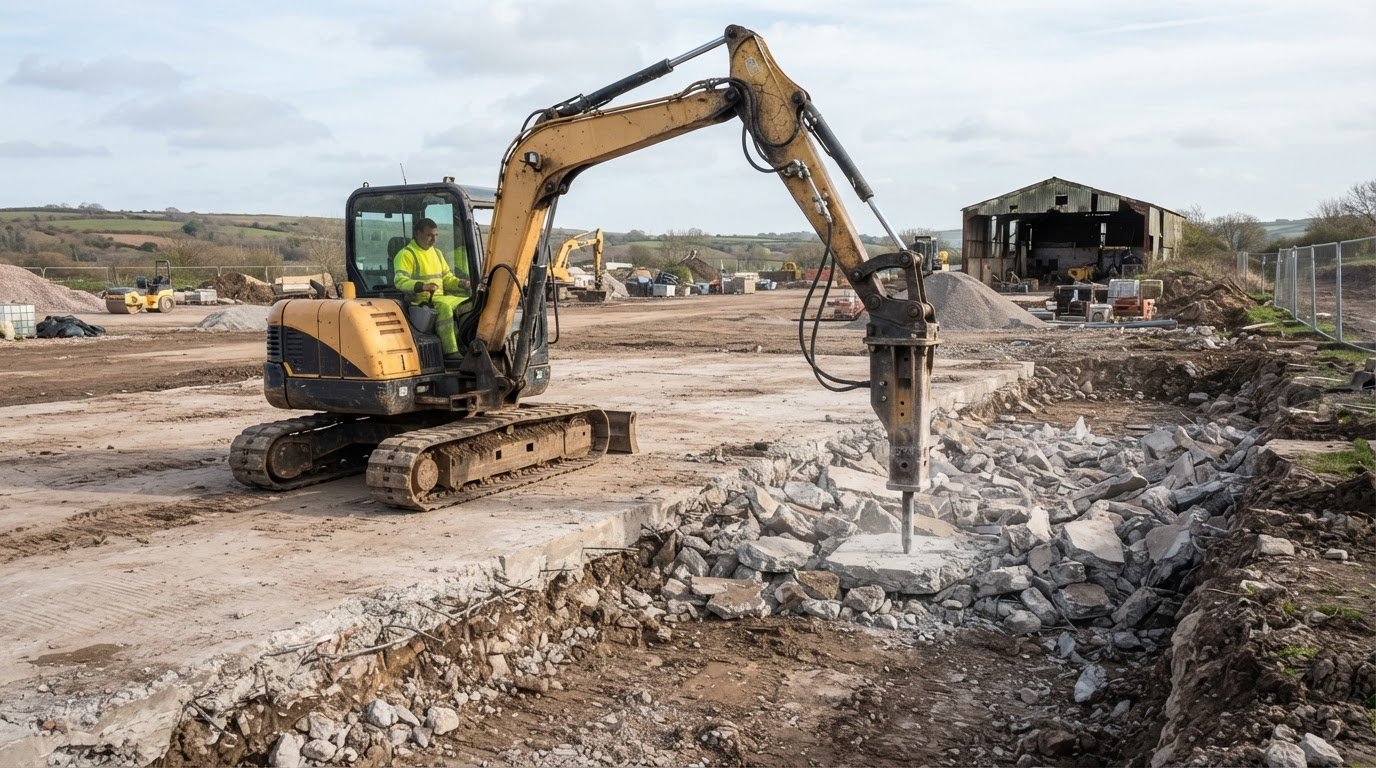
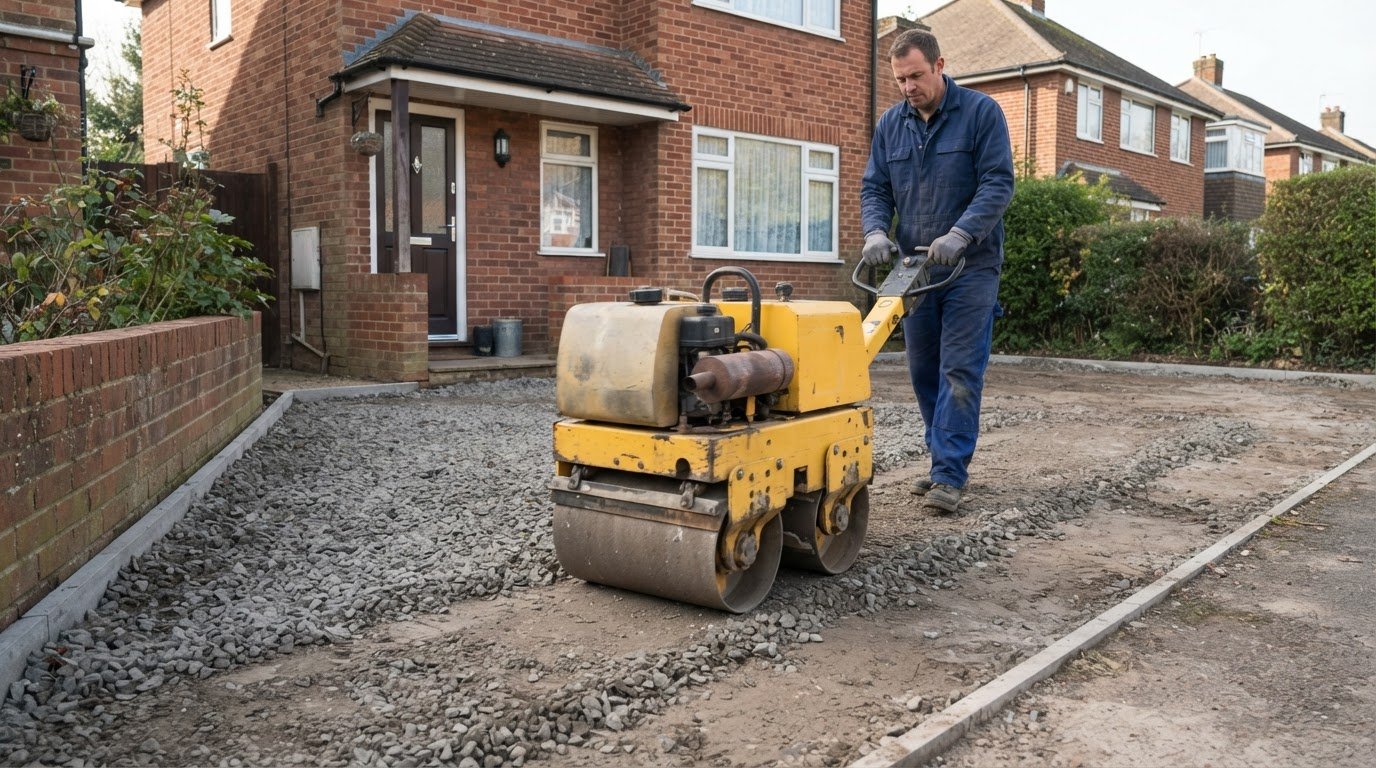
Share the excavator size, intended hole dimensions and site conditions when discussing your project. These details help clarify the equipment requirements, including whether mini digger hire is a suitable starting point. For wider site work, Roller Hire or Welfare Unit Hire may also support the project, depending on your needs.
Clear details about the task help shape a suitable hire arrangement and work plan. If you’re preparing a fencing project, contact Rocket Rentals Ltd to discuss your requirements.
Plan your next fencing job
Before arranging excavator auger hire, turn your fencing plan into a clear sequence of work. Mark the start and end of the fence, identify corners and changes in direction, and note where access or stored materials could restrict the machine’s movement. Planning the route helps you organise the work around the site.
Think through the job from arrival to completion. Decide where the equipment can be positioned, how you’ll manage excavated soil and which areas need to remain clear. If the fence line changes during planning, update the details before booking.
With your requirements organised, discuss the work and suitable equipment with Rocket Rentals Ltd about auger hire on 01453 51 95 51. A clear conversation is a practical next step for your fencing project.
Frequently Asked Questions
Where can I hire an excavator auger in the UK?
For excavator auger hire, Rocket Rentals Ltd offers self-drive excavator hire and excavator attachments across the UK, the relevant hire categories for a machine-and-auger setup. When planning the job, share the fence layout, post dimensions, ground conditions and excavator details. This gives the hire discussion practical context and helps align the equipment with the work.
What auger bit sizes and ground types can excavator augers handle?
Bit size depends on the required hole and the compatible flight available for the setup. Ground conditions also affect how an auger works: loose or compacted soil, roots and stones can change drilling progress and spoil removal. For example, a fence line crossing mixed ground may require a more careful pace than one in consistent soil. Match the bit to the post and site conditions.
What excavator size and hydraulic flow are needed for an auger attachment?
The suitable excavator depends on the auger drive’s compatibility, not weight alone. The drive described for this setup is intended for mini excavators, including 1.5T and 3.0T machines. Hydraulic flow and pressure must also meet the attachment’s operating requirements. Check the machine and attachment specifications as a pair, since a compatible weight class alone does not establish hydraulic suitability.
Which UK hire companies offer excavator augers near me?
Rocket Rentals Ltd provides self-drive plant hire nationally, including excavator hire and excavator attachments. To discuss a project, share the site postcode, machine requirements and planned work. The postcode helps clarify delivery arrangements, while the job details explain what equipment you need. This is a practical starting point, without assuming every setup suits every site.
Comments