
Hired-In Plant Insurance: Contract Lift vs CPA Hire 2026
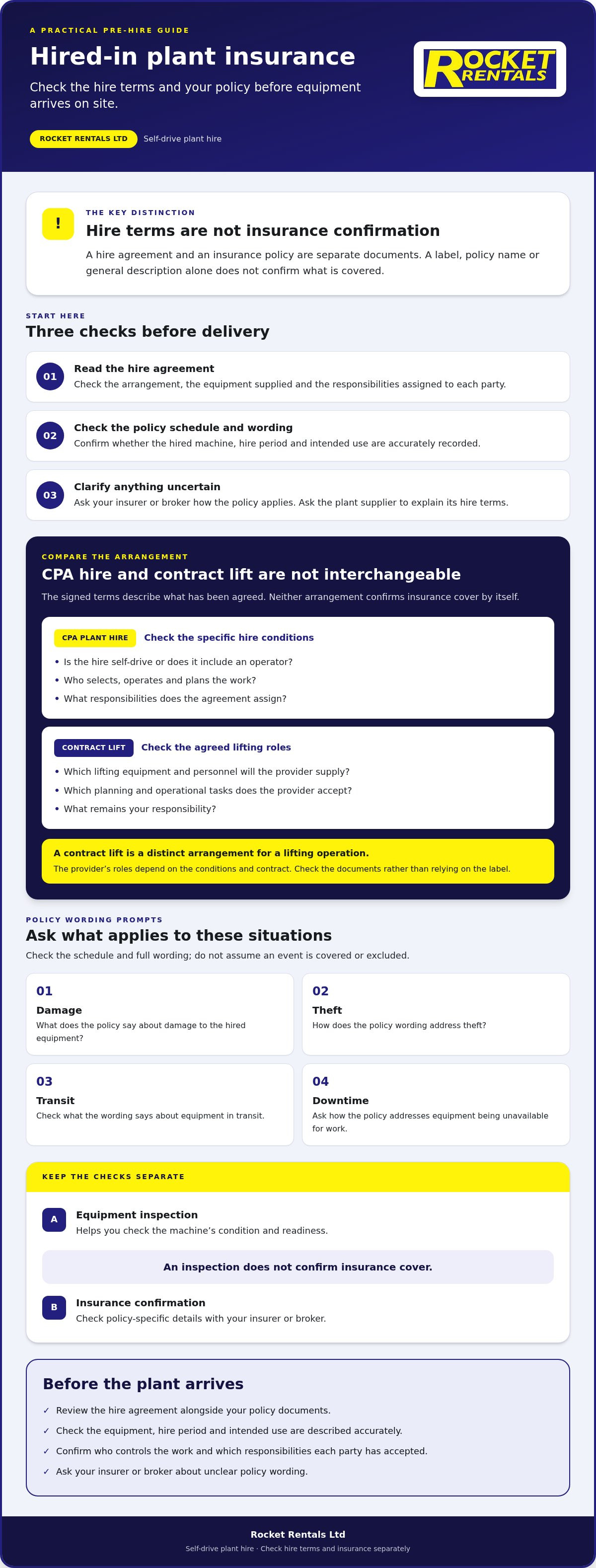
Could the hire terms change who needs to arrange insurance, even when the equipment and job seem straightforward? Before plant arrives on site, check the agreement and your policy rather than relying on a general assumption. This hired in plant insurance guide explains what to review and why the distinction between CPA hire and contract lift matters.
It’s reasonable to expect the hire paperwork or an existing business policy to make the position clear. In practice, both the wording and the type of arrangement matter. Cover can’t be assumed from a label alone. A contract lift is not the same arrangement as standard plant hire, and responsibilities may differ when a lifting operation is involved.
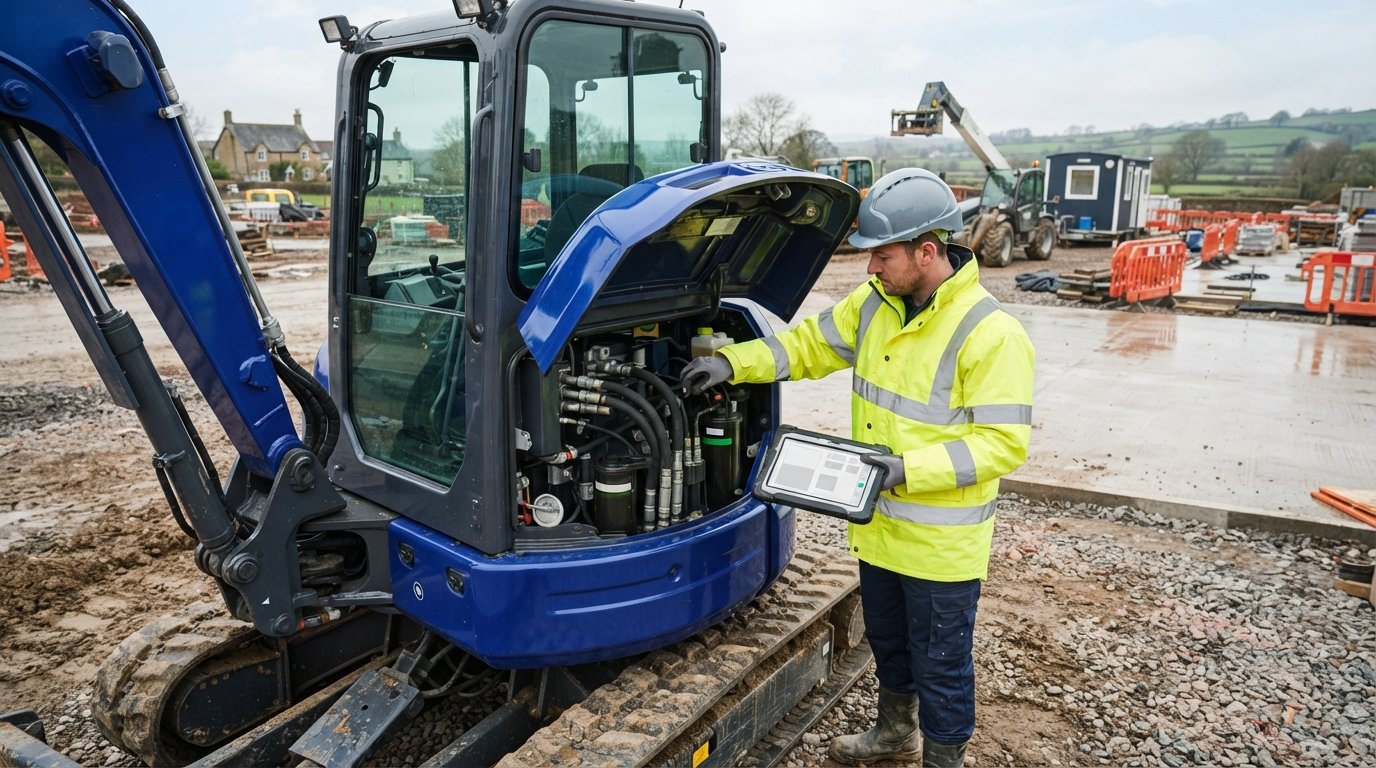
Use the questions below to check the documents and policy details before delivery, and to compare terms without treating them as interchangeable. Rocket Rentals supplies self-drive plant. An inspection can help you check a machine’s condition, but it doesn’t confirm insurance cover. Make that a separate check with your insurer or broker.
Table of Contents
Hired-in plant insurance: what it means before you hire equipment
Contract lift vs CPA hire: compare the terms before assuming cover
Does hired-in plant insurance cover damage, theft and downtime?
A pre-hire checklist for checking plant insurance and hire documents
Choosing self-drive plant hire with clear insurance responsibilities
Hired-in plant insurance: what it means before you hire equipment
Does hired-in plant insurance automatically come with hired equipment? Don’t assume it does. A hire agreement sets out the terms for hiring the equipment, while an insurance policy has its own schedule and wording. Check both before delivery so you understand what arrangements apply to the machine and the work you plan to carry out.
What does hired-in plant insurance refer to?
The phrase generally refers to insurance arrangements relevant to machinery a business or contractor hires for work. It doesn’t guarantee that every risk connected with the hire is insured, or confirm who is responsible if something happens.
Separate the questions. First, does the policy apply to the hired equipment? Then, what does it say about liability, damage or other events linked to the hire? These are distinct considerations, and the policy wording determines whether, and how, they are addressed. Check the schedule as well as the full wording. A policy name or general description may not tell you whether a particular machine, hire period or use is included.
Why check cover before plant arrives on site?
If equipment is damaged, stolen or unavailable, uncertainty about the hire terms and policy can make it harder to establish what applies. The aim isn’t to assume that a particular event is covered or excluded. It’s to identify the relevant documents and ask specific questions before the machine is on site.
Review the hire agreement alongside your policy documents. Check that the equipment and intended use are described accurately, then look for wording about the circumstances you need to understand. If anything is unclear, ask your insurer or broker to explain how the policy applies to that hire. Ask the plant supplier to clarify its hire terms, but don’t treat that explanation as confirmation of your insurance cover.
Insurance and equipment readiness are separate checks. An inspection can help establish the machine’s condition, but it doesn’t determine what an insurance policy covers. For general background on workplace safety, see this overview of the Health and Safety Executive (HSE). It isn’t a guide to insurance cover. Rocket Rentals supplies self-drive plant and can clarify its hire terms. Use this hired in plant insurance guide to prepare your questions, then confirm policy-specific details with your insurer or broker.
Contract lift vs CPA hire: compare the terms before assuming cover
Contract lift and CPA hire describe different hire arrangements, not interchangeable insurance products. The label alone doesn’t tell you what your policy covers. Check the signed terms, clarify who controls the work and confirm insurance questions with your insurer or broker.
How should you understand contract lift and CPA hire?
The Construction Plant-hire Association (CPA) publishes separate CPA Hire Conditions, including Model Conditions and Contract Lift Conditions. Broadly, CPA hire covers plant hired under the relevant hire conditions. A contract lift is an arrangement for a lifting operation where the provider takes on the planning and operational roles specified in the agreement. The precise responsibilities depend on the current conditions and the contract you receive, so check the documents and ask a suitable lifting or insurance professional about anything unclear.
For self-drive plant, establish who selects and operates the equipment, who plans the work and what responsibilities the agreement assigns to each party. A contract lift is a distinct lifting arrangement, not a label for every machine hire. Neither set of terms confirms insurance cover by itself.
What should a contract lift vs CPA hire comparison show?
Use the paperwork to establish what is actually being supplied and who has agreed to do what. This comparison is a prompt for questions, not a substitute for the signed terms or your policy wording.
Keep the contract and policy distinct. The contract sets out agreed hire responsibilities; your insurer’s schedule and wording determine the cover under your policy. Rocket Rentals supplies self-drive plant and doesn’t offer contract lift services. If you’re considering self-drive equipment, view Rocket Rentals’ plant hire options and review the relevant hire terms before delivery.
Does hired-in plant insurance cover damage, theft and downtime?
Hiring equipment doesn’t, by itself, prove that it’s insured. The hire agreement may describe responsibilities between you and the supplier, but it isn’t a substitute for checking your own policy. The policy schedule and wording, not the hire label, confirm whether cover applies, to which equipment and in what circumstances.
Which incidents should you ask your insurer about?
Ask your insurer or broker how the policy treats the situations relevant to your hire. Don’t assume they’re covered just because the policy refers to hired-in plant. Check the wording for:
Accidental damage: Does the wording address damage to hired equipment, and are there relevant exclusions or an excess?
Theft: Are there conditions for equipment left unattended, such as secure storage or approved tracking systems from specialists like Safe & Sound Mobile?
Transit: Does the policy address the machine while it’s being transported to or from site?
Reporting: What notification steps or timescales apply if an incident occurs?
Policy terms vary. Ask your insurer to clarify any conditions that apply to your specific machine, how it will be used and where it will be kept. If the equipment will be used for lifting, keep insurance questions separate from safe planning and operation. The Health and Safety Executive’s guidance on the Lifting Operations and Lifting Equipment Regulations (LOLER) is a reference for lifting safety, not confirmation of insurance cover.
Could an insurance gap affect project downtime?
Downtime is working time lost while equipment is unavailable. If a machine is damaged or stolen, you may need to understand both your insurance position and what the hire agreement says about the equipment and hire period. Don’t infer that an insurance policy will arrange replacement plant, recovery or changes to the hire arrangements.
Before delivery, ask your insurer whether the policy addresses these circumstances and what steps you’d need to follow. Separately, ask the supplier what the hire terms say if the equipment becomes unavailable. Get answers in writing where possible. This helps distinguish confirmed arrangements from assumptions and gives you information to plan how the work could proceed if there’s a disruption. This hired in plant insurance guide can help you frame those questions, but only your insurer or broker can clarify how your policy wording applies to your circumstances.
A pre-hire checklist for checking plant insurance and hire documents
Checking a few documents before delivery can help you spot gaps between the equipment you’ve ordered, the hire terms and the details your insurer holds. Gather the relevant information, then confirm policy-specific questions with your insurer or broker.
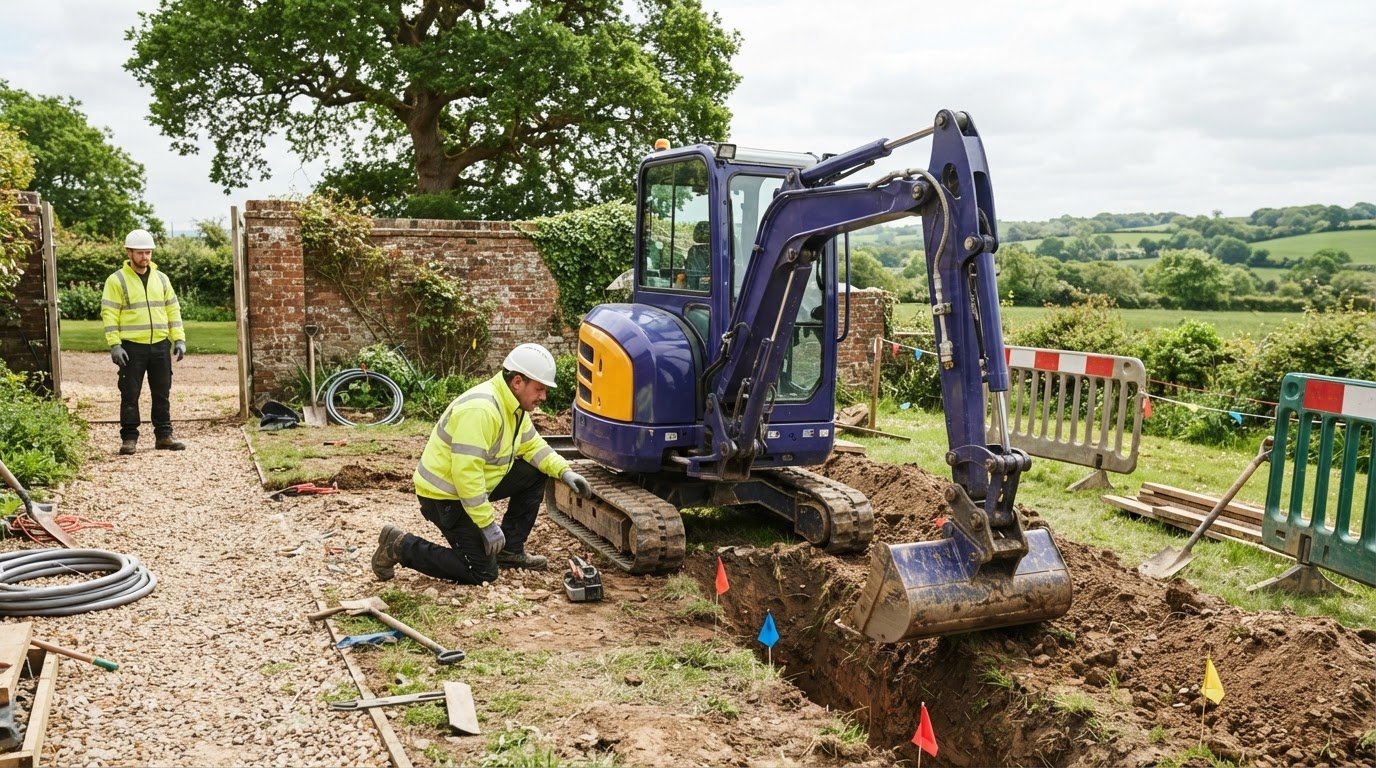
Identify the equipment. Record the plant type and any identification details shown on the confirmed hire documents. Note the intended hire period and planned use. If you’re considering a mini excavator, the mini excavator hire guide can help you consider equipment details for your project.
Read the hire terms. Check what the agreement says about collection or delivery, care of the machine and how to report an incident. Make sure you understand what you’re agreeing to, and ask the hire provider to explain any unclear terms.
Check your insurance documents. Review the current policy schedule and wording. Confirm directly with your insurer or broker that the hired equipment is accurately described in its records. Ask whether the policy applies to the planned hire period and working circumstances.
Clarify conditions before work begins. Ask your insurer or broker to identify any relevant exclusions, excesses, security measures or incident-reporting steps in the current documents. Don’t rely on a verbal assumption or general policy description when you need confirmation about a specific machine or use.
Questions to ask before confirming the hire
Be specific so you can match each answer to the right document. Ask your insurer or broker: “Does my policy cover this identified piece of hired equipment for the stated period and planned work?” and “What exclusions, excesses, security conditions or reporting steps should I know about?” Ask the hire provider: “What do the hire terms say about delivery, care and incident reporting?”
The provider can clarify its hire terms, but shouldn’t be treated as your insurance adviser. If details in the policy schedule don’t match the hire paperwork, resolve the difference with your insurer or broker before the equipment arrives. Keep the relevant documents and written confirmations together so you can refer back to them during the hire.
This hired in plant insurance guide is a practical starting point, not a substitute for checking your own documents. Rocket Rentals supplies self-drive plant, and equipment inspection is a key readiness check. To discuss suitable self-drive plant hire options for your project, speak with the team about the equipment and hire terms.
Choosing self-drive plant hire with clear insurance responsibilities
A suitable hire decision brings together three things: the machinery your project needs, the terms you agree with the provider and insurance arrangements confirmed with your insurer or broker. Keep these checks separate. A supplier can explain its equipment and hire conditions, but your insurer or broker is the right contact to clarify how your policy applies.
What should you confirm with a self-drive plant hire provider?
Before confirming a hire, ask what equipment details will appear in the hire documents and which conditions apply. Check that the paperwork identifies the plant you expect, and ask how to report damage or another incident using the provider’s stated process. If a term is unclear, ask for an explanation before delivery rather than relying on an assumption.
Ask about inspection information separately. An inspection can help you assess equipment readiness and condition, but it doesn’t confirm that your insurance applies or that a particular incident is covered. Review the provider’s information alongside your own policy documents, not instead of them.
How can you take the next step with confidence?
Start with the task. Consider what the site work requires, then identify the type of self-drive plant that fits. If an excavator is under consideration, Rocket Rentals’ excavator hire guide can help you explore that equipment option. Confirm the specific machine and hire period from the provider’s documents before asking your insurer or broker to check your policy.
Before work begins, make sure you’ve read the relevant hire terms and received clear answers from your insurance adviser about the planned hire. If the equipment, dates or intended use change, check whether the documents and insurance details still match. Keep written information together so the arrangements are easy to refer to during the hire.
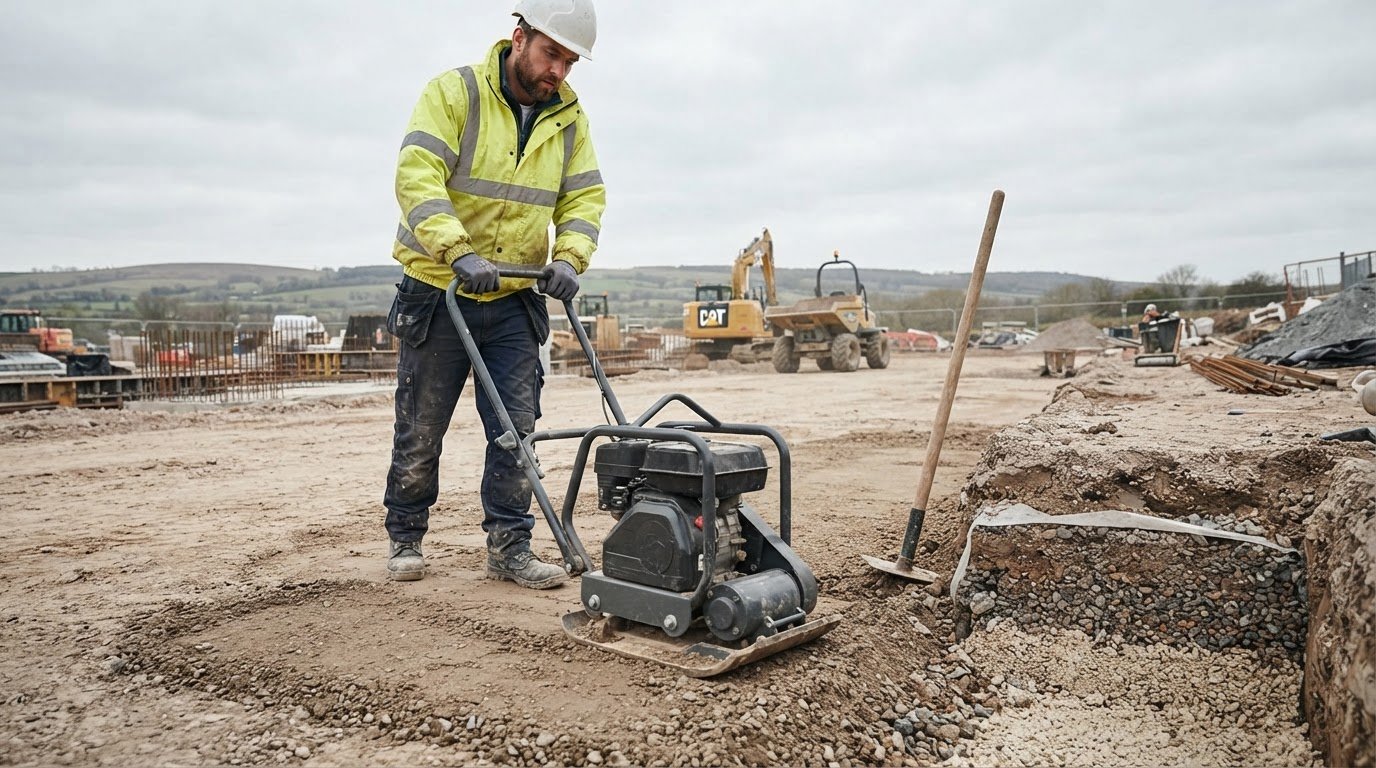
Rocket Rentals Ltd supplies self-drive plant, including excavators, telehandlers, dumpers, rollers and scissor lifts. The company identifies inspection as a strength, while insurance remains a separate matter for you and your adviser to confirm. This hired in plant insurance guide can help you prepare the right questions, but review your own policy wording and hire documents for your circumstances.
Once you’ve clarified your insurance arrangements, discuss self-drive plant for your project with Rocket Rentals and ask about the relevant equipment and hire terms.
Make your next plant hire decision with confidence
The key lesson from this hired in plant insurance guide is to check the hire terms and your policy separately. Contract lift and CPA hire describe different arrangements, so establish who is responsible for each part of the work rather than assuming the wording confirms insurance cover.
Before equipment arrives, make sure its details and planned use match the information held by your insurer or broker. Ask about relevant policy conditions, and clarify the provider’s hire and incident-reporting terms. An inspection helps you assess equipment readiness, but it doesn’t confirm insurance cover.
Rocket Rentals Ltd supplies self-drive plant hire equipment for professional projects and identifies inspection as a business strength. Once you’ve reviewed your documents and clarified insurance arrangements with your adviser, discuss the self-drive plant your project needs. A clear plan can help you approach your next hire with confidence.
Frequently Asked Questions
Is hired-in plant automatically covered by the hire provider’s insurance?
No. Don’t assume the hire provider’s insurance covers your responsibilities or the equipment while you’re using it. The hire agreement and the provider’s insurance arrangements aren’t proof of cover under your own policy. Ask the provider what its hire terms say, then check with your insurer or broker how your policy applies to the specific machine, hire period and planned work. Get unclear points confirmed before delivery.
What should hired-in plant insurance cover for a self-drive hire?
There isn’t one answer for every policy. Ask your insurer or broker whether your cover addresses the specific hired machine and planned use, and how it treats damage, theft, transit, liability and downtime. Check the current schedule and wording for exclusions, excesses, security conditions and reporting requirements. This hired in plant insurance guide can help you prepare questions, but only your insurer or broker can confirm how your policy applies.
How does contract lift differ from CPA hire?
They describe different arrangements, not interchangeable insurance products. CPA hire generally refers to plant supplied under applicable CPA hire conditions. A contract lift is an arrangement for a lifting operation, with roles and responsibilities set out in its contract conditions. The precise allocation depends on the current documents and agreed scope. Read the relevant terms, identify who plans and carries out the work, and ask a suitable lifting or insurance professional about anything unclear.
Can my existing business insurance cover hired-in plant?
It may, but don’t rely on a general policy description or assume your existing cover extends to every hire. Ask your insurer or broker to check the policy schedule and wording against the equipment details, hire period and intended working circumstances. Confirm whether any exclusions, excesses or conditions apply, and request clarification in writing if needed. The hire provider can explain its agreement, but your insurer or broker must address policy-specific questions.
What happens if hired plant is damaged or stolen?
The next steps depend on your hire terms and policy wording. Follow the provider’s stated incident-reporting process, and contact your insurer or broker promptly to check what notification steps apply. Keep relevant hire documents and details of the incident together. Don’t assume a policy will arrange replacement equipment, cover ongoing hire responsibilities or reimburse losses. Ask the provider what its terms say about the machine while the matter is being resolved.
Do I need to check insurance before hired plant arrives on site?
Yes. Before delivery, compare the equipment and hire period in the provider’s documents with the information held by your insurer or broker. Ask whether the policy applies to the specific machine and planned work, and check any relevant conditions or reporting steps. Early confirmation gives you time to resolve questions before work begins. Keep the hire agreement and current policy documents available so you can refer to the wording you’ve checked.
Does an equipment inspection mean the plant is insured?
No. An inspection concerns the equipment’s condition and readiness; it doesn’t confirm insurance cover. Check the hire documents for the equipment details and ask the provider to explain its inspection information. Separately, review your policy schedule and wording, then speak to your insurer or broker about the cover that applies. Rocket Rentals Ltd supplies self-drive plant for professional projects and identifies inspection as a business strength, not as proof of insurance.
Comments