
How to Budget for Construction Equipment Rental in 2026
What if the machine you’ve planned for isn’t the one your project actually needs? To budget for construction equipment rental with confidence, start with the tasks, site conditions and work sequence, then match each requirement to the right equipment and hire period. A clear plan helps you avoid gaps that can interrupt progress.
Choosing equipment and deciding how long to hire it can feel uncertain, especially when project timings change. You’ll also need to plan practical details such as delivery and collection, fuel, insurance and having a competent operator for self-drive plant. This guide will help you build a project-led hire plan, identify equipment for each task and keep hire periods aligned with changing requirements.
We’ll look at how hiring compares with owning, how to plan for the resources that keep work moving, and how to include equipment inspection in your decisions. Rocket Rentals Ltd has 35 years of experience in the plant and tool hire industry, with equipment including mini diggers, dumpers, rollers, telehandlers and scissor lifts.
Table of Contents
What should a construction equipment rental budget cover?
A construction equipment rental budget is a project-specific plan for the machinery and site equipment you’ll need, when each item is required and how it fits the work programme. It focuses on equipment requirements and hire planning, rather than covering every project activity.
Planning these needs early helps you coordinate equipment with the work sequence. If a machine is needed before a task can begin, a late change to the equipment plan may affect the programme. A clear plan also helps you distinguish essential equipment from items you may need only if the scope changes.
For a general overview of the types of machinery used in construction, see Heavy equipment. For your project, the useful question is how each item will support a defined task, not simply whether it belongs on site.
Task scope, hire period and equipment choice work together: define the job first, then plan the right machine for the time it is needed.
Which project details shape your equipment plan?
Begin with the work tasks, site conditions and the order in which operations will take place. Note where machinery is needed for groundworks, where access hire supports work at height, and whether a welfare unit is required as part of the site setup. Match each item to a task and a point in the programme.
Separate confirmed requirements from contingencies. For example, a dumper may be essential for planned material movement, while another machine may be needed only if the work changes. This distinction makes the plan clearer and helps you avoid treating every possible requirement as certain.
Why define the hire period before choosing equipment?
Set out when equipment must arrive, how long it is expected to be actively used and when it can be collected. Consider the planned start of the task as well as the work itself, so delivery and collection arrangements fit the programme. This gives you a clearer basis for selecting suitable equipment and planning its place on site.
Project schedules can change, so review timing as work develops. Rocket Rentals’ hire terms are extremely flexible, removing time constraints. Set out the expected hire period in your plan, then review it against progress and changing tasks.
Include equipment condition in your planning too. An inspection helps you assess its condition before work, while a clear task and timing plan helps you identify what equipment is needed and when. Together, these steps give you a practical foundation for matching each requirement to the right hire plan.
How to build a construction equipment rental budget step by step
A useful budget for construction equipment rental starts with the work, not a list of machines. Follow a set sequence so each item has a clear purpose, place in the programme and planned hire period. This keeps the plan practical and makes it easier to spot missing requirements before work begins.
Define the tasks, match equipment to each one, map the hire dates, check site arrangements, then review the plan against the programme.
Start with tasks, equipment and hire timing
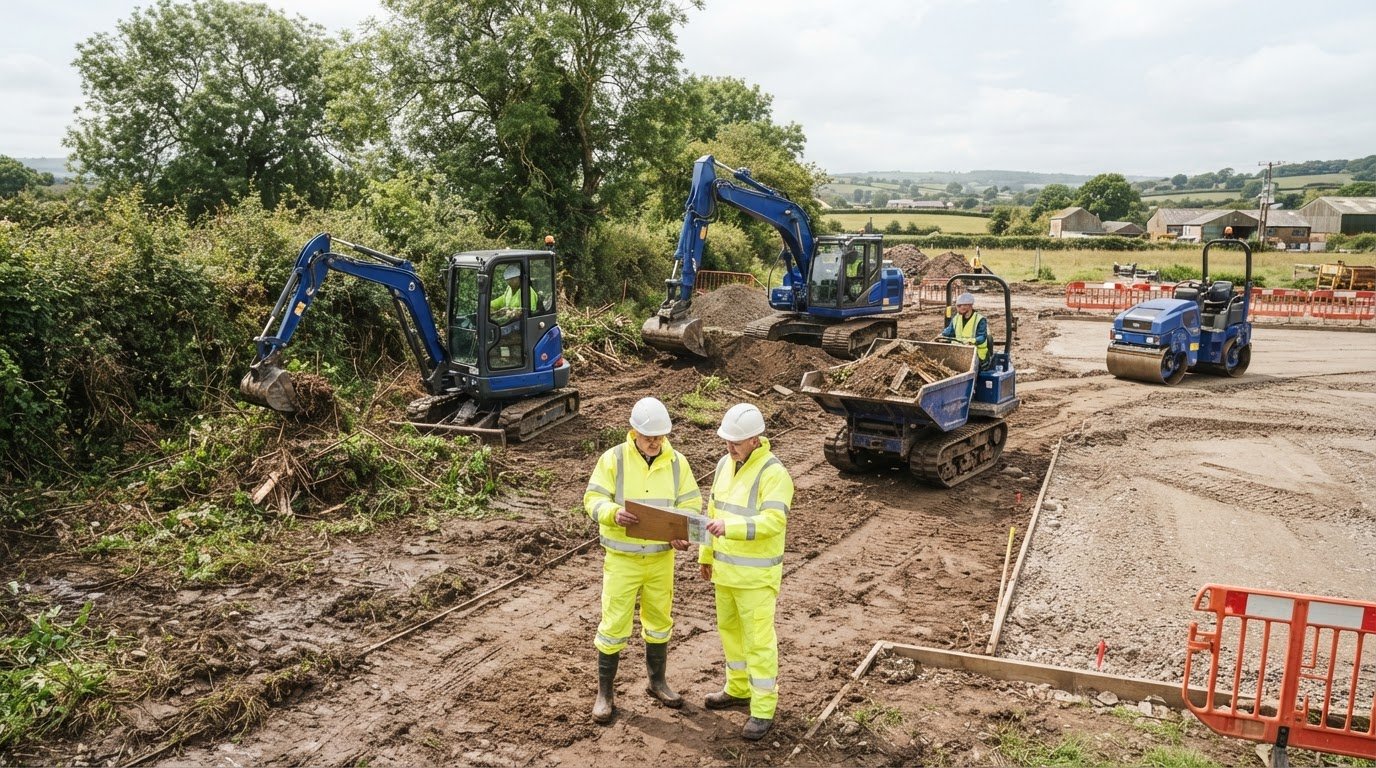
Write down the project tasks in the order they’re expected to happen. For each task, record what the equipment needs to do and when it’s required. A Mini Digger may suit planned excavation, a Dumper may support material movement, and a Roller may be relevant for ground preparation. Choose equipment categories only where they match the work.
Set out the tasks. Break the work into clear stages, such as excavation, moving materials or preparing a surface. Note any tasks that depend on another stage being completed first.
Match equipment to the work. Link each task to an equipment category and state what it needs to do. Keep essential machinery separate from equipment that may only be needed if the scope changes.
Map the hire period. Record when each item needs to arrive, when active work is planned and when it can leave the site. Avoid treating every item as if it’s needed for the full project.
Plan the sequence. Check whether one machine can move between tasks or whether separate stages require different equipment. This helps keep the schedule clear and prevents overlapping requirements from being missed.
Review the draft. Compare the equipment list and timing with the work programme. Update the plan if a task moves or its requirements change.
Review practical requirements before finalising the plan
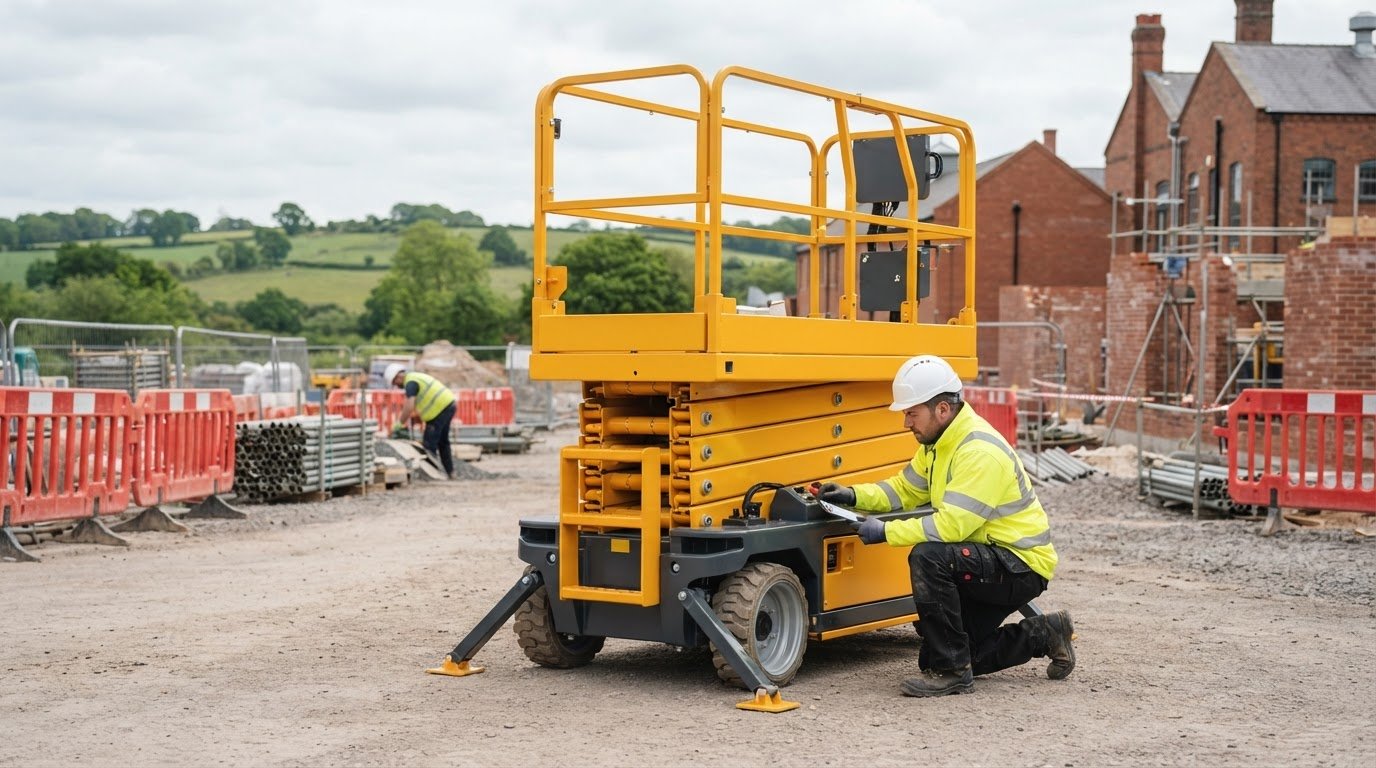
A suitable machine still needs to fit the site and delivery plan. Note any access considerations that could affect getting equipment on or off site, and include delivery and collection arrangements alongside the dates it’s needed. Consider whether Access Hire supports planned work at height or a Welfare Unit supports site operations.
Record site access details relevant to equipment delivery and collection.
Note where each item will be used and when it can be removed.
Include an inspection of equipment condition in your planning notes.
Write down assumptions, such as task order or expected timing, so you can revisit them if the programme changes.
Keep the plan as a working document, not a one-off exercise. A shift in task sequence can alter when machinery or site equipment is required, so review the relevant entries as the programme develops. If your requirements include self-drive machinery, explore plant hire options as part of shaping your equipment plan.
Hiring or owning construction equipment: what changes in your budget?
Hiring and owning call for different kinds of planning. Hiring focuses on matching equipment access to a particular task and period. Ownership planning centres on keeping a machine available for work across projects. Neither option is right for every situation, so assess the work ahead and how often you expect to need each equipment category.
Look beyond the immediate task when making the comparison. Consider the length of the project, how regularly the machinery will be needed, and who will organise its use. Setting out these assumptions makes the choice clearer and gives your equipment plan a practical basis.
Planning factor
Hiring
Owning
Commitment
Plan access for a defined requirement and hire period.
Plan to keep the equipment available for ongoing work.
Project duration
Align the hire period with the task or project schedule.
Consider how the machine will be used across current and future work.
Equipment access
Arrange the equipment for the planned stage of work.
Keep the category on hand for recurring requirements.
Planning responsibility
Coordinate the hire timing, delivery and collection, and site use.
Plan for the equipment’s ongoing availability and use.
When does hiring suit a defined project?
Hiring can suit a project where a particular machine is needed for a specific stage, rather than as a regular part of day-to-day work. For example, a Telehandler may support a planned materials-handling task, while a Scissor Lift may be relevant for work at height. With self-drive hire, include your operator arrangements in the plan; don’t assume an operator is supplied.
Write down the task, expected timing and intended period of use. If the sequence changes, review those assumptions and adjust the equipment plan. This makes the hire decision easier to assess without treating a tentative requirement as certain.
What should ownership planning account for?
Ownership may suit work where you expect to use the same equipment category regularly across projects. Consider how often you need that particular machine, whether demand is consistent, and how its use fits your programme. If requirements are occasional or tied to a single project, compare that pattern with project-based hire.
For a practical budget for construction equipment rental, make the comparison using clear task and timing assumptions rather than a general preference for hiring or owning. Rocket Rentals provides self-drive plant hire, including construction plant hire, so you can plan equipment access around defined project needs.
How to keep your equipment hire plan aligned with site needs
A hire plan needs to reflect the site as it will be during each stage of work, not just the original programme. Review it as tasks progress so equipment type, timing and site arrangements remain connected. A change to one stage can affect the next, so note which equipment requirements depend on the sequence staying as planned.
What should your site-readiness checklist include?
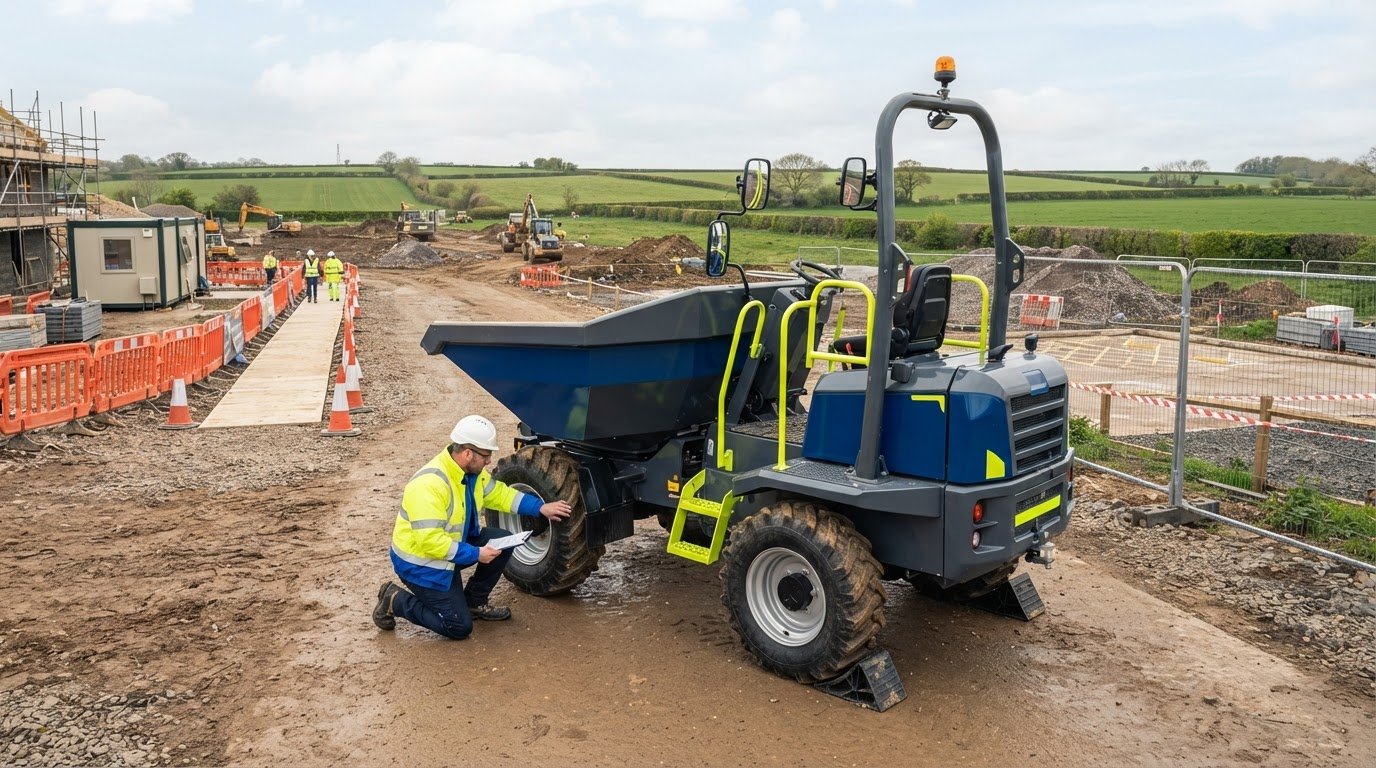
Before equipment is due on site, compare each item with its planned task and the route it needs to take to reach the work area. Include delivery and collection arrangements in the same plan, alongside any access or welfare requirements. A clear checklist helps the site team prepare for equipment and spot practical issues before they affect the work.
Task match: Check that each equipment category still suits the work it is assigned to do.
Site access: Review the route and the location where equipment will be used or positioned.
Delivery and collection: Record when each movement is planned and how it fits the site programme.
Access and welfare: Include relevant access hire or a welfare unit in the site plan where the work requires them.
Equipment condition: Include an inspection in your preparation and record any condition concerns before work proceeds.
These checks matter if the work area changes, too. If equipment is now needed elsewhere on site, revisit its intended task and the route to that area rather than relying on the original arrangements.
How can you respond when project timing changes?
When a task moves, first update the work sequence. Then review which equipment depends on that task, when it is required and whether the planned hire period still reflects the revised programme. For example, a delayed stage may shift when a dumper or access equipment is needed. Record the change and its effect on delivery, use and collection arrangements.
Keep assumptions visible. Note what has changed, which equipment entries are affected and what still needs review. This gives the team a shared reference and helps prevent outdated timings from being treated as current. Update the plan as the programme changes, so equipment arrangements and site preparation reflect the work ahead.
As site requirements shift, update the relevant details and align your equipment plan with the latest programme. You can review your plant hire requirements as part of that planning.
Plan your construction equipment hire with Rocket Rentals
Before you finalise your equipment plan, make sure each hire has a defined role in the work. Keep the task, equipment category and expected timing together in your project notes. This gives you a clear reference when reviewing the programme and helps you explain your requirements for a particular stage.
Match your project plan to the right hire categories
Choose hire categories that fit the job. Mini Digger Hire, Dumper Hire and Roller Hire may be relevant to different stages of groundworks, depending on the tasks involved. For work at height, Scissor Lift Hire or Access Hire may be suitable; Telehandler Hire may fit a materials-handling requirement.
Record why each category is included and what work it is intended to support. Rocket Rentals supplies self-drive plant hire, so include your own operator arrangements in your planning. A task-led list keeps equipment choices connected to the project rather than relying on a general checklist.
Take the next step with a clear equipment plan
Prepare a short project brief with the work stages, equipment categories you’re considering and the dates each task is expected to take place. Include assumptions that could affect your plan, such as a task depending on another stage being completed first. These details create a useful starting point for discussing your hire requirements and keeping the plan tied to the work.
Rocket Rentals can help you discuss your project equipment requirements and how they fit your planned work. Discuss your project equipment hire with Rocket Rentals and take the next step towards a clear, practical hire plan.
Put your equipment plan to work
A useful budget for construction equipment rental should remain part of your working project documents, not sit untouched after the initial planning stage. Give someone responsibility for keeping equipment timings and site requirements in step with programme updates. That way, changes can be reflected in the plan before they create confusion across the team.
Use your next planning review to check whether each hire still has a clear purpose and whether its timing reflects the work now scheduled. Keep notes on decisions and assumptions, so the team can see why equipment was included and what needs revisiting if the job changes. This creates a practical reference for the current project and a clearer starting point for future planning.
When you’re ready to turn your equipment requirements into a hire plan, explore plant hire with Rocket Rentals. A clear next step can help you move from planning to site preparation with greater confidence.
Frequently Asked Questions
Are tool hire periods flexible?
Yes, hire periods can be flexible, which helps when a project’s needs don’t fit a fixed timetable. For example, a tool needed for a task that moves in the programme may need a different hire window from equipment used throughout the job. Rocket Rentals’ terms are extremely flexible, removing time constraints. Review your expected use and return timing as the work develops.
What does rotavator hire involve?
Rotavator hire provides a heavy-duty power tool for preparing soil. It can help loosen ground, remove weeds and get an area ready for planting. This may suit landscaping or gardening work where compacted or weed-filled soil needs attention before planting begins. Consider the area to be worked and when soil preparation fits your project sequence, so you can plan the equipment around the task.
What are the benefits of hiring gardening equipment?
Hiring gardening equipment gives you access to equipment for a specific job without keeping it for long-term use. This can be helpful if you have limited storage or only need machinery for occasional ground preparation. Rocket Rentals describes its gardening equipment as high quality and easy to operate, with safety and low maintenance among the stated benefits. Match the equipment to the work you need to complete, whether that’s preparing soil or clearing weeds.
When is tool rental the best option?
Tool rental can suit a project when you need equipment for a particular task, especially if the equipment may need frequent updates or you don’t have suitable facilities to keep it. For example, a business completing occasional site work may prefer to arrange equipment for that job rather than retain it between projects. Consider how often you’ll use the tool and whether you can store and maintain it appropriately before choosing a hire plan.
What tasks might require scaffold tower hire?
Scaffold tower hire may be suitable for tasks that require safe access at height, such as work on ceilings, upper walls or building exteriors. It can help position workers and equipment near the area being worked on. Consider the location and nature of the task when planning access equipment, and make sure the choice fits the work area. Rocket Rentals includes scaffold tower hire within its access hire options.
Who should consider power washer hire?
Power washer hire may suit commercial cleaning work or projects that involve cleaning outdoor surfaces. Examples include decks, patios, roofs and gutters. It can be a practical option if you need equipment for a defined cleaning job rather than regular use. Identify the surfaces and areas involved before planning the hire, then fit the equipment into the work schedule so the cleaning task is coordinated with other site activity.
Why is generator hire important for a project?
Generator hire can help keep business operations running when a project needs a power supply on site. It may be useful for work in a location where access to power is limited or where planned activities depend on temporary power. Rocket Rentals offers generator hire with petrol and diesel options. Consider which project activities rely on power and include the generator in your site plan so its use is coordinated with the work.
Comments