
Mastering Landscaping Projects: The Ultimate Guide to Small Digger Hire
Updated: Jul 5
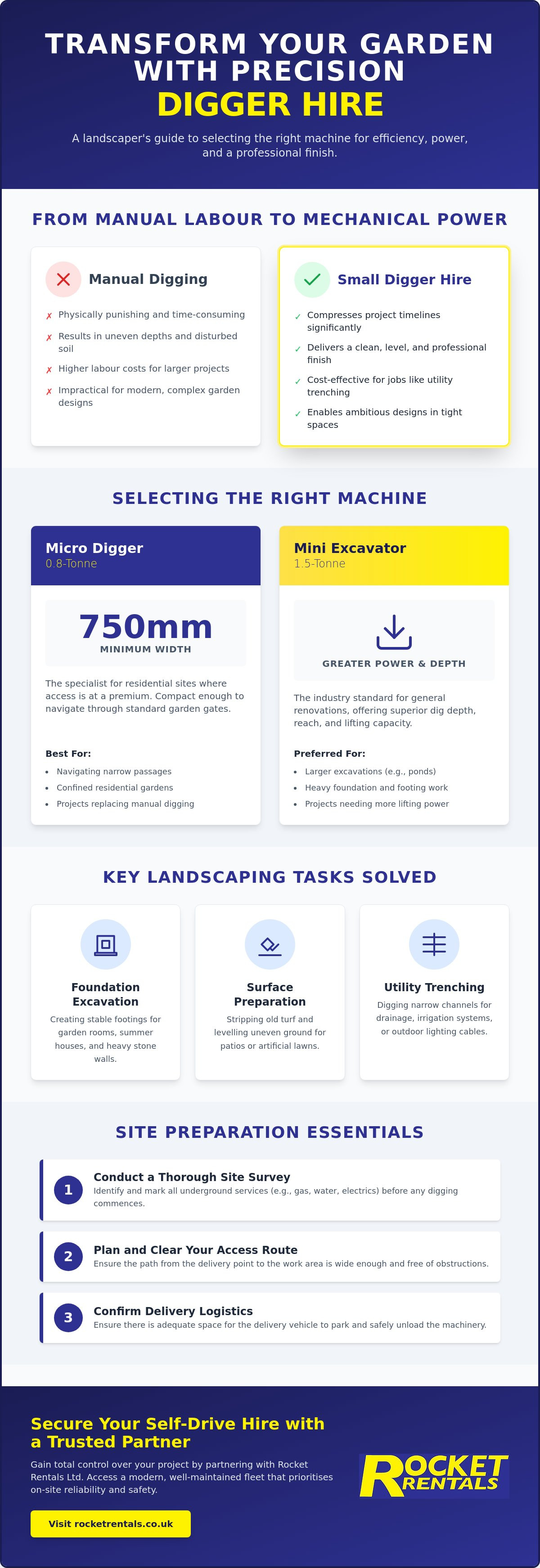
What if the difference between a month of back-breaking labour and a weekend of precision work was just 750mm? Many people assume that heavy machinery is reserved for sprawling construction sites, yet the right choice in digger hire for landscaping can turn a daunting garden renovation into a manageable, professional task. You likely already know that manual digging is often too slow and physically punishing to be practical for modern projects. It's a common frustration to watch a timeline slip away while wrestling with a spade; especially when you're worried about narrow garden gates or the safety of underground services.
In this guide, you'll discover how to select, prepare for, and operate the ideal small digger to complete your project with total confidence. We'll show you how to achieve efficient soil removal and a level finish for new patios or ponds. By understanding the specifics of machine width and operator safety, you can ensure a professional result without the need for a permanent driver. From navigating tight access points to protecting your property's integrity, we provide the expert insight you need for a successful transformation.
Table of Contents
Why Small Digger Hire is Essential for Modern Landscaping Projects
The UK landscaping sector has seen a significant shift toward mechanisation. While traditional spade-and-wheelbarrow methods were once the standard for domestic gardens, the scale and complexity of modern designs now demand greater precision. Choosing digger hire for landscaping isn't just about saving physical effort; it's about professional efficiency. A small excavator can move more material in a single morning than a crew of three could manage in a full weekend. This speed allows you to compress project timelines, ensuring that groundworks are completed before the weather changes or following trades arrive.
Beyond speed, the quality of the finish is vastly superior. Manual digging often results in uneven depths and disturbed soil, which can lead to settling issues later. A compact machine provides a clean, level base that is essential for structural elements like retaining walls or large-scale paving. This is particularly relevant for current design trends such as sunken patios or tiered gardens, where precise excavation is required to create sharp, architectural lines. While larger equipment like a Backhoe loader might be common on large construction sites, the agility of a mini or micro digger is what makes these ambitious garden designs possible in tight residential spaces.
The cost-benefit analysis also heavily favours machinery. When you calculate the hourly rate of manual labour against the flat cost of a daily hire, the machine almost always wins, especially for utility trenching. Digging a 30-metre trench for irrigation or power by hand is a gruelling task that often leads to fatigue and mistakes. A small digger completes the same task in a fraction of the time with minimal disruption to the surrounding area. It's a logical choice for any project where time and physical resources are at a premium.
The Advantages of Self-Drive Plant for Landscapers
Opting for self-drive hire gives you total control over your site. You don't have to coordinate with an external operator's schedule or pay for their standby time. By using your own competent crew to operate the machinery, you reduce site costs and maintain a steady pace. This flexibility is invaluable for multi-stage projects where you might need the machine for heavy clearing on Monday, but only for precision levelling on Thursday.
Common Landscaping Tasks Solved by Small Diggers
Modern garden renovations involve more than just planting. Small diggers are the workhorses for several critical tasks:
Foundation Excavation: Creating stable footings for garden rooms, summer houses, or heavy stone walls.
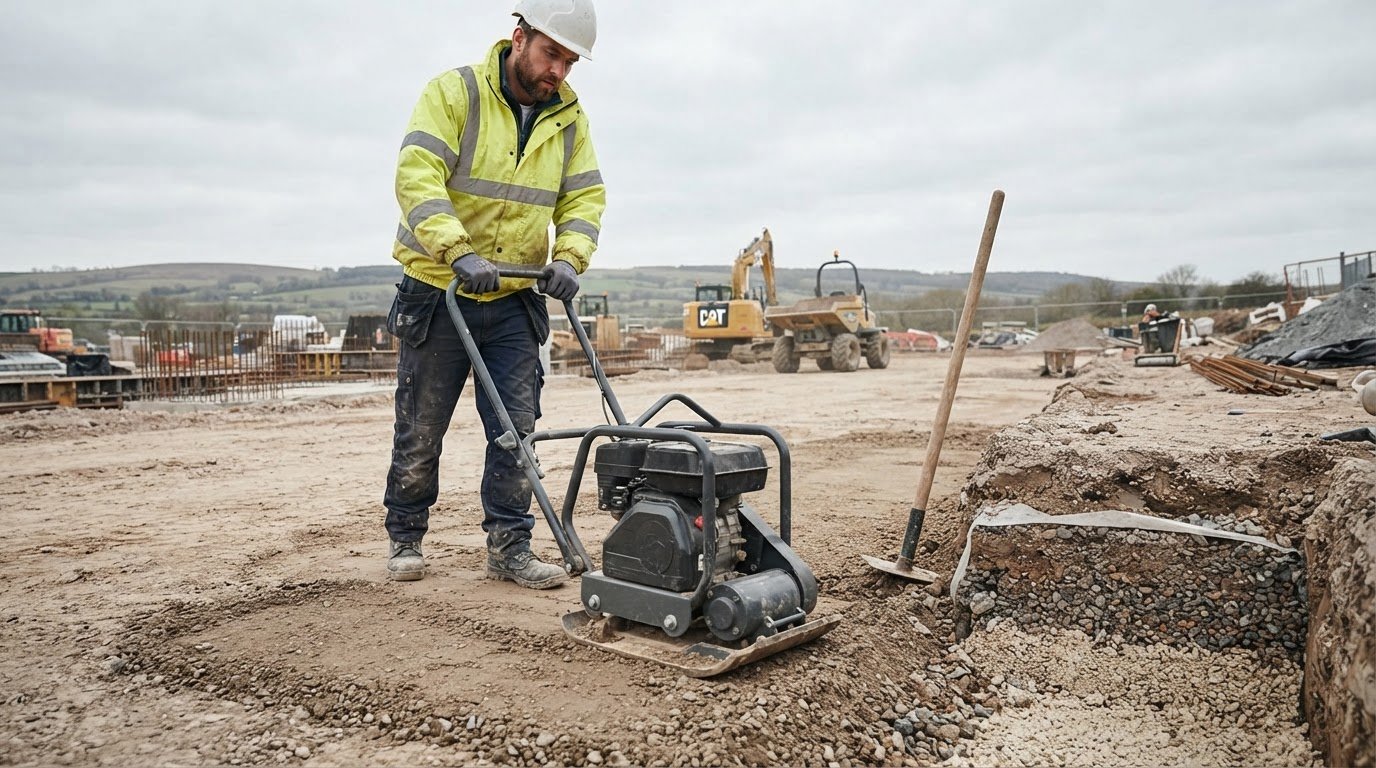
Surface Preparation: Stripping old turf and levelling uneven ground to create a perfect sub-base for patios or artificial lawns.
Utility Trenching: Efficiently digging narrow channels for drainage systems, automated irrigation, or outdoor lighting cables.
Utilising digger hire for landscaping ensures these foundational elements are handled with the same care as the final aesthetic touches.
Selecting the Right Machine: Micro vs Mini Excavators for Garden Design
Selecting the right equipment for digger hire for landscaping is a decision that dictates the pace and safety of your entire project. The choice usually settles between a micro digger and a mini excavator. Each machine offers distinct advantages based on the physical constraints of your garden and the volume of material you need to move. Making an informed choice prevents the frustration of a machine that is either too large to enter the site or too small to handle the workload efficiently.
The 0.8-tonne micro digger is the specialist for residential sites where space is at a premium. It's compact enough to navigate through narrow passages, yet powerful enough to replace days of manual digging. In contrast, the 1.5-tonne mini excavator serves as the industry standard for general garden renovations. It offers greater dig depth and lifting capacity, making it the preferred choice for larger excavations such as swimming ponds or heavy foundation work. If you're unsure which machine suits your specific site, our team can help you select the ideal mini excavator for your needs.
Protecting established lawns and driveways is a priority for any homeowner. Modern machines utilise rubber tracks to distribute weight evenly; this reduces ground pressure and prevents surface damage. Fuel efficiency is another benefit of these modern fleets. They're designed to provide maximum breakout force whilst maintaining low fuel consumption, which is both cost-effective and better for the environment on residential sites.
The Restricted Access Challenge
Before booking, it's essential to measure the narrowest point of your access route. Many micro diggers feature retractable tracks, allowing them to shrink their width to fit through standard 700mm openings like garden gates or alleyways. Once the machine is in position, the tracks can be extended to provide a stable working platform. For projects where every centimetre counts, our micro digger hire guide offers a deep dive into navigating these tight spaces.
Tonnage and Reach: Matching Machine to Task
Beyond access, you must consider the machine's reach. Dig depth is critical if you're excavating for structural foundations that must meet building regulations. Similarly, dump height is often overlooked. You must ensure the digger's arm can reach over the side of your chosen skip or dumper to deposit waste. Stability is also a factor; larger machines offer a more balanced centre of gravity, which is vital when working on the sloped or uneven terrain common in many UK gardens. Understanding these specifications ensures that your digger hire for landscaping remains productive from the moment it is offloaded.
Maximising Versatility with Specialist Landscaping Attachments
A common misconception is that an excavator is purely for digging holes. In reality, the machine acts as a versatile power unit capable of performing dozens of distinct tasks. When you arrange digger hire for landscaping, the choice of attachments often determines the overall quality and speed of the project. By moving beyond the standard digging bucket, you can transform a single machine into a multi-functional tool that handles everything from demolition to precision finishing. This versatility is what allows a small crew to achieve the results of a much larger team.
Efficiency on a busy site relies on the ability to switch between these tools quickly. Most modern excavators are equipped with quick-hitch systems, which allow for rapid attachment changes without the need for manual pin removal. This saves significant time when you need to move from heavy excavation to fine levelling. It's vital to ensure compatibility between the machine and the attachment. The hydraulic flow and weight of the tool must match the excavator's specifications to prevent equipment damage or safety risks. Operating heavy or vibrating attachments, such as breakers, requires extra care to manage operator fatigue and ensure the machine remains stable throughout the task.
Earthmoving and Trenching Buckets
Selecting the correct bucket width is the first step in optimising your workflow. Using a bucket that is too wide for a cable trench results in unnecessary soil removal and increased backfilling costs. Conversely, a bucket that is too narrow for foundation footings won't provide the structural width required. Consider these specialist options:
Grading Buckets: These wide, toothless buckets are essential for achieving a perfectly level finish on topsoil or sub-bases for paving and turfing.
Trenching Buckets: Narrow designs specifically for laying drainage pipes, irrigation lines, or electrical conduits with minimal ground disturbance.
Riddle Buckets: These allow you to sift through excavated material, removing large stones and debris whilst retaining valuable topsoil on site.
Breaking and Boring Tools
For more intensive tasks, specialist hydraulic tools are indispensable. If your garden renovation involves removing an old concrete patio or dealing with stubborn rock, a hydraulic breaker is the only professional solution. It delivers high-impact force that makes light work of demolition tasks that would be impossible by hand. Digger hire for landscaping also becomes more effective for fencing projects when you utilise an auger. This attachment allows for the rapid drilling of consistent, vertical post holes, ensuring your fence line is both straight and secure. For larger clearance projects, log splitters and shears can be used to manage timber and overgrown vegetation with minimal manual handling, keeping the site organised and safe.
A Step-by-Step Guide to Preparing Your Site for Digger Hire
Thorough site preparation is the foundation of a safe and efficient project. While digger hire for landscaping provides the mechanical power needed to reshape your garden, that power must be managed with a clear logistical plan. Preparing your site before the machine arrives prevents costly delays and ensures that the delivery process is as smooth as the excavation itself. A professional approach starts with a comprehensive survey of both the surface and what lies beneath it.
Managing the arrival of the equipment is your first logistical hurdle. You must ensure there is adequate space for a delivery lorry to park and offload the machine safely. Consider the weight of the delivery vehicle; it shouldn't block narrow residential roads or damage kerbs. Once the machine is on the ground, a final safety walkthrough is essential. Brief your entire team on the digger’s swing radius and establish clear "no-go" zones to ensure everyone stays visible to the operator at all times. If you've planned your site layout effectively, you can hire the right landscaping plant with the confidence that your project will start without a hitch.
Step 1: Identifying Underground Services
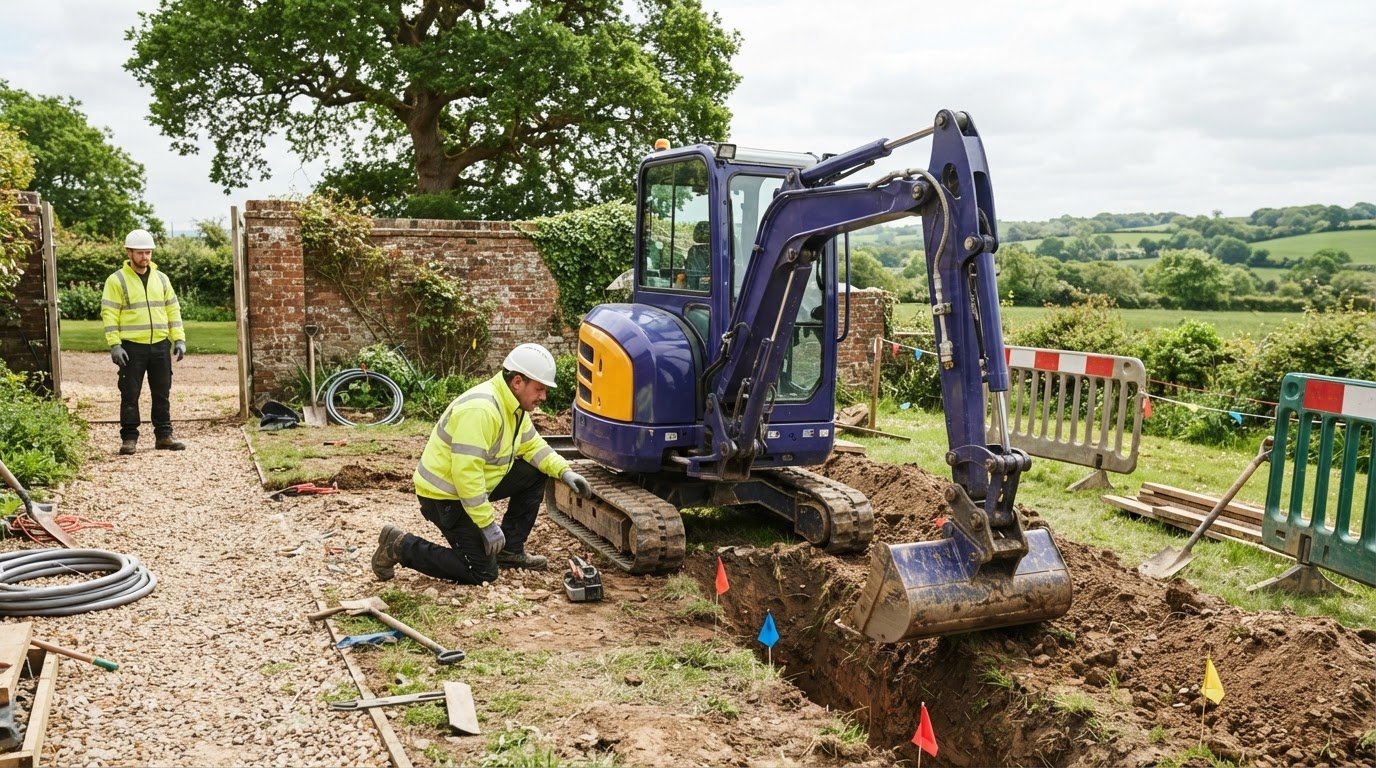
Striking a buried utility line is the most significant risk during any excavation. Before the first bucket enters the ground, you must identify the location of water, gas, and electric lines. Utilising a Cable Avoidance Tool (CAT) and a signal generator is the industry-standard method for locating metallic pipes and cables. However, scans aren't infallible. Always consult site plans and utility maps provided by local providers. If you identify a service marker, implement a strict "hand dig only" rule within a half-metre radius of the line to prevent accidental damage. This cautious approach protects both your budget and the safety of your crew.
Step 2: Ground Protection and Access
Protecting your property’s existing features is just as important as the new work you're performing. Even with rubber tracks, the repeated movement of an excavator can mar expensive stone paving or compact soft lawns. Laying bog mats or thick plywood along the designated "travel path" provides a sacrificial surface that absorbs the pressure. You should also clear this path of overhead obstructions, such as low-hanging tree branches or low-level cables, which could snag on the machine's boom. Finally, establish a designated spoil heap area as close to the excavation point as possible. This prevents the "double-handling" of soil, ensuring you aren't wasting time moving the same pile of earth twice as the project progresses.
Environmental protection shouldn't be an afterthought. If your project involves significant soil disturbance, consider silt management protocols to prevent mud from washing into local drainage systems during rain. Similarly, ensure any fuel for the machine is stored in a secure, bunded area to prevent ground contamination. These professional standards keep your site organised and compliant with best practices.
Securing Your Self-Drive Hire with Rocket Rentals Ltd
Choosing the right partner for your project equipment is as critical as the choice of machine itself. Rocket Rentals Ltd positions itself as a dependable partner for both seasoned contractors and individual users embarking on their first garden renovation. When you arrange digger hire for landscaping through us, you aren't just renting a piece of machinery; you're gaining access to a wealth of industry expertise and a commitment to site safety. We understand that project timelines are often tight, and the reliability of your plant is paramount to maintaining your schedule.
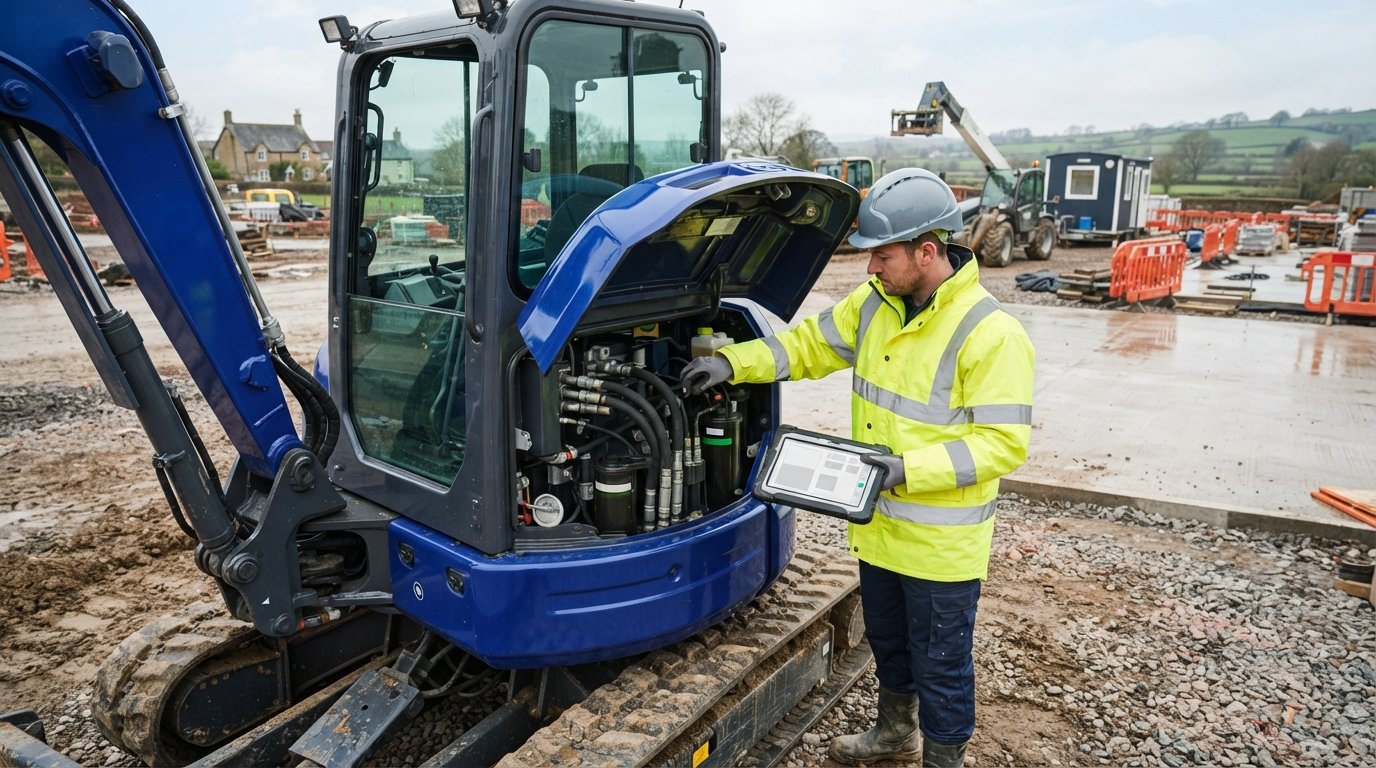
Our fleet is composed of modern, high-specification machines that meet the latest emissions standards and efficiency requirements. Reliability is built into our service through a methodical maintenance programme. This ensures that every excavator arrives on your site in peak condition, reducing the risk of downtime and allowing you to focus on the creative aspects of your landscaping. For those managing their own projects, we provide clear guidance on self-drive requirements. Whilst a formal operator's ticket isn't legally required for work on private property, we prioritise operator competency and ensure you're comfortable with the machine's controls and safety features before work begins.
Professional Reliability as Standard
Every piece of equipment in our inventory undergoes rigorous pre-hire safety checks to ensure it meets our exacting standards. We don't just deliver a machine; we provide expert advice on selection based on your specific site dimensions and soil types. Whether you're navigating a narrow side-path or excavating a large pond as discussed in earlier sections, we ensure the machine matches the task. For a deeper look at how to optimise your choice, our mini excavator hire guide offers further professional insights into maximising site productivity.
Booking Your Landscaping Equipment
Opening a hire account or booking a one-off rental is a straightforward, methodical process. We value clear communication and provide prompt, reliable delivery across our service area. Our team is ready to discuss your upcoming groundworks and help you coordinate the ideal package of digger hire for landscaping and attachments. Contact Rocket Rentals Ltd today to ensure your project is powered by the very best in modern plant technology.
Elevate Your Landscaping Standards
Transitioning from the technical site preparation and machine specifications previously explored, it becomes clear that successful garden transformation relies on precision. By integrating the right machine size with the task-specific attachments discussed earlier, you ensure that every stage of your groundworks is handled with professional efficiency. This methodical approach not only protects your site's integrity but also guarantees a superior ground finish that manual labour simply cannot match. It's about moving beyond the spade to achieve architectural results with total confidence.
When you secure your digger hire for landscaping through Rocket Rentals Ltd, you are partnering with an independent specialist established in 1988. Our professional-grade self-drive fleet and comprehensive selection of attachments provide the versatility required for even the most complex residential designs. We remain committed to supporting your project with reliable plant and expert guidance from the moment of delivery until the final collection. We prioritising your safety and project success as much as you do.
View our full range of landscaping diggers and book your hire today.
Your project deserves the efficiency and safety of modern machinery. We look forward to helping you achieve a professional result on your next landscaping endeavour.
Frequently Asked Questions
Do I need a special licence for small digger hire?
No formal operating licence or CPCS card is required to operate a mini digger for self-drive hire on private property, such as a residential garden. You must, however, be competent and fully understand the machine's controls before starting work. If you intend to drive the excavator on a public road, a standard UK driving licence is mandatory. For commercial construction sites, employers will typically require a relevant skills card to comply with health and safety regulations.
Will a small digger fit through a standard garden gate?
Yes, a micro digger is specifically designed to navigate restricted access points. Most micro excavators feature retractable tracks that allow the machine to shrink to a width of approximately 700mm to 750mm. This makes it the ideal choice for digger hire for landscaping in terraced housing or gardens with narrow side-paths. Once the machine has passed through the gate, the tracks should be extended to their full width to provide maximum stability during operation.
What is the difference between a micro digger and a mini digger?
The primary distinction lies in the machine's weight, power, and physical footprint. Micro diggers usually weigh around 0.8 to 1 tonne and are tailored for projects where access is the main constraint. Mini diggers typically fall into the 1.5 to 3-tonne range; they offer significantly more breakout force and a deeper dig depth. While a micro digger is perfect for narrow trenches, a mini digger is the preferred standard for larger landscaping tasks like pool excavation or heavy foundation work.
Can I use a small digger on a steep slope or embankment?
Small diggers can be operated on inclines, but this requires a high level of operator competency and caution. The machine's centre of gravity shifts on a slope, which increases the risk of the excavator tipping over. It is safest to work vertically up or down a slope rather than across it. You should always consult the specific machine's operator manual to confirm its maximum safe working gradient before attempting to work on an embankment.
How much fuel does a 1.5 tonne mini digger use per day?
A 1.5-tonne mini digger typically consumes between 5 and 10 litres of fuel during a standard eight-hour working day. The exact amount depends on how hard the machine is working; heavy excavation at high engine speeds will use more fuel than light grading or intermittent use. For most domestic digger hire for landscaping projects, having a 20-litre container of fuel on site is usually enough to cover two full days of productive work.
What happens if the hired digger breaks down during my project?
If you experience any technical issues or a breakdown, you should cease operation immediately and contact our support team. We maintain our fleet to rigorous standards to ensure reliability, but mechanical faults can occasionally occur. We provide technical guidance over the phone or, if necessary, dispatch a mobile engineer to your site to carry out repairs. Our goal is to minimise your downtime and ensure your project continues with as little disruption as possible.
Is insurance included in the digger hire cost?
Insurance is generally not included in the standard hire rate and is the responsibility of the hirer. You must ensure you have "Hired-in Plant" insurance to cover the full replacement value of the machine against theft, vandalism, or accidental damage whilst it is in your care. Some homeowners find that their existing buildings and contents insurance can be extended to cover temporary plant hire, but it's essential to confirm this with your insurer in writing.
Comments